What is the Navgrah Mantra and Its Purpose?
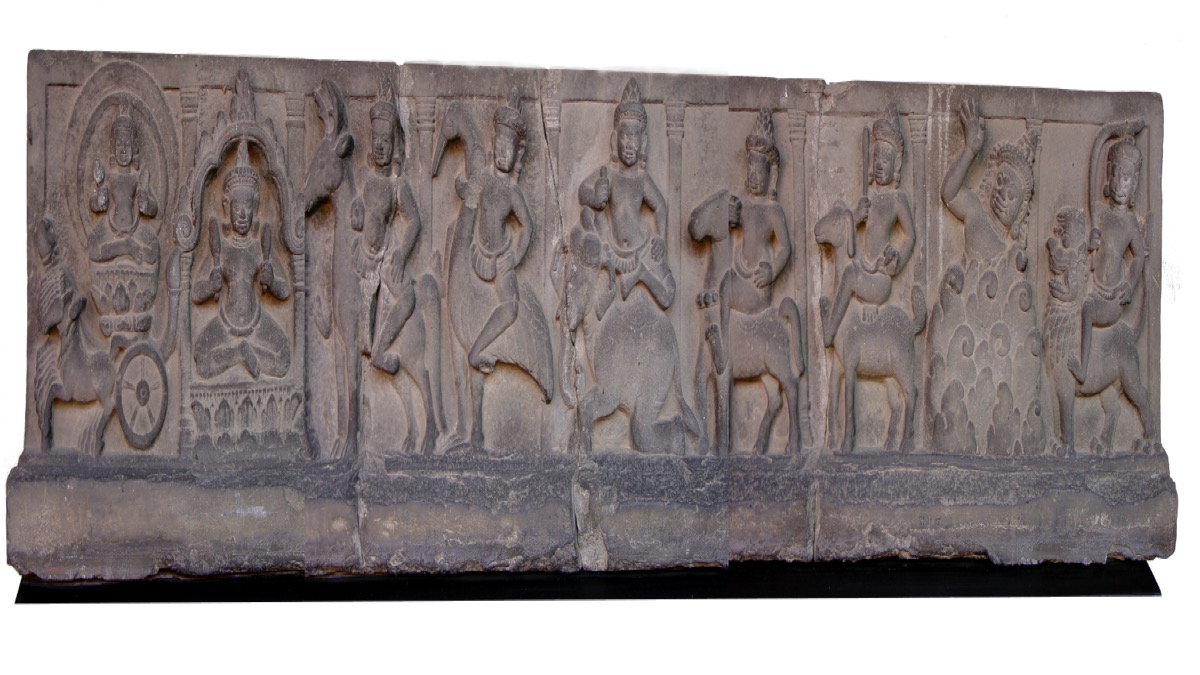
A navgrah mantra consists of sacred sound vibrations used to align oneself with the nine planetary deities of Vedic astrology, who are believed to influence various aspects of human life. These include the Sun (Surya), Moon (Chandra), Mars (Mangal), Mercury (Budha), Jupiter (Guru), Venus (Shukra), Saturn (Shani), and the lunar nodes Rahu and Ketu. Each planet is traditionally associated with specific energies, personality traits, and life themes.
It is important to understand that in Jyotish (Vedic astrology), these mantras are not intended to "fix" fate or erase the blueprint of one's kundli. Instead, they are viewed as tools for balancing energies.
When a particular planetary influence feels overwhelming or restrictive, using a navgraha mantra for peace may help a person find inner stability and mental clarity. Chanting tends to create a meditative state that can soften the perceived intensity of a difficult period. Rather than promising a often reported change in external events, the purpose of these mantras is to cultivate a harmonious relationship with the cosmic energies, allowing the practitioner to navigate their life path with greater grace and resilience.
Talk to an astrologer about what this means for your chart. First message free · ₹25/min
The Nine Planet Mantras: Sanskrit, Translation, and Meaning
The nine planet mantras are specific sound vibrations in Jyotish (Vedic astrology) used to align the practitioner with the cosmic energy of the Navgrahas, or celestial influencers. These chants are intended to align the practitioner with the cosmic energy of each planet. Rather than providing a fixed result, these practices may help balance the tendencies associated with each graha (planet).
The following table provides the traditional mantras in their correct sequence, along with the nine planet mantras meaning.
| Planet | Sanskrit Mantra | English Translation & Meaning |
| :--- | :--- | :--- |
| Sun (Surya) | Om Ghrinih Suryaya Namah | I bow to the Sun, the radiant one who illuminates the world. |
| Moon (Chandra) | Om Som Somaya Namah | I bow to the Moon, the nectar-like provider of peace and mind. |
| Mars (Mangal) | Om Angarakaya Namah | I bow to Mars, the fiery one who provides strength and courage. |
| Mercury (Budha) | Om Budhaya Namah | I bow to Mercury, the intellectual one who governs speech and logic. |
| Jupiter (Guru) | Om Brihaspataye Namah | I bow to Jupiter, the teacher and expander of wisdom. |
| Venus (Shukra) | Om Shukraya Namah | I bow to Venus, the bringer of beauty, love, and harmony. |
| Saturn (Shani) | Om Shanishcharaya Namah | I bow to Saturn, the disciplined one who teaches patience. |
| Rahu | Om Rahave Namah | I bow to Rahu, the north node who represents worldly desires. |
| Ketu | Om Ketave Namah | I bow to Ketu, the south node who leads toward liberation. |
Chanting these in order can be a mindful way to acknowledge the diverse forces present in one's kundli. Traditionally, these are used as spiritual tools to soften challenging planetary periods or enhance positive tendencies.
What is the Correct Order to Chant Navgrah Mantras?
The correct order to chant Navgrah mantras typically follows a cosmic hierarchy beginning with the Sun (Surya), followed by the Moon (Chandra), and proceeding through Mars, Mercury, Jupiter, Venus, Saturn, and finally the lunar nodes, Rahu and Ketu. In the Vedic tradition, the sequence of chanting the Navgrah (nine planets) mantras is rarely arbitrary. This order often proceeds through the remaining planets.
Following a specific order is considered important because it aligns the practitioner with the natural flow of celestial energy. In Jyotish (Vedic astrology), this sequence represents a transition from the most luminous and vital energies to the more shadowed or restrictive ones. By starting with the Sun, the practitioner traditionally seeks to establish a foundation of clarity and vitality before addressing the diverse influences of the other planets. Understanding the nine planet mantras meaning can further deepen this connection to the cosmic order.
For those seeking the most auspicious time to begin these practices, consulting a Panchang can be helpful. This traditional Vedic almanac helps identify the correct Vara (day of the week) and Tithi (lunar day) that may align with a specific planet's energy. While these sequences are classical tendencies, the practice is generally viewed as a way to cultivate inner balance and respect for the cosmic order rather than a often reported method for specific outcomes.
How to Chant Navgraha Mantras for Maximum Benefit
Chanting Navgraha mantras for maximum benefit traditionally involves creating a dedicated space, maintaining a straight spine in a cross-legged posture, facing East or North, and focusing on sincere pronunciation and intention. Creating a dedicated space for your practice often helps in cultivating a sense of calm. Traditionally, practitioners prefer sitting in a comfortable, cross-legged posture (such as Sukhasana) with the spine kept straight. This alignment can support better breath flow and focus. Facing East or North is a common preference in Vedic tradition, as these directions are often associated with positive energy flow.
Timing can play a significant role in the experience. Many people consult a Panchang to find auspicious windows or the specific day of the week associated with a planet. For example, chanting the Sun mantra on a Sunday or the Venus mantra on a Friday is a traditional practice to utilize these vedic planet mantras effectively.
Regarding the process, pronunciation of the Sanskrit syllables is considered important. While perfection is not required, a sincere effort to recite the sounds clearly tends to help the practitioner connect more deeply with the vibration of the mantra. You can chant the nine mantras together in their traditional order or focus on one specific planet. Many practitioners choose to chant a mantra 108 times using a mala (prayer beads) to maintain count and concentration. Purity of mind and a gentle, focused intention are generally seen as more valuable than rigid adherence to rules. This approach turns the practice into a meditative journey rather than a chore.
How Many Times Should the Navgraha Mantra Be Chanted?
The Navgraha mantra is commonly chanted 108 times in the Vedic tradition, as this number is often considered a complete cycle that aligns the practitioner with the cosmic rhythm. To keep track of these repetitions without distraction, many people use a mala (prayer beads), which typically consists of 108 beads.
The frequency of your practice often depends on your intention. For those seeking a general sense of balance and mindfulness, a daily practice of chanting each navgraha mantra for peace a few times or a single round of 108 may be a gentle way to connect with these planetary energies. This daily approach is often viewed as a method for maintaining mental peace and spiritual discipline.
In contrast, specific shanti rituals (peace-inducing ceremonies) may involve more rigorous counts. In these traditional settings, a practitioner or priest may chant a specific planet's mantra thousands of times over a set period. Such intensive practices are traditionally associated with a desire to address specific planetary imbalances in a kundli (birth chart). While these rituals are a respected part of Jyotish tradition, they are typically approached as a disciplined spiritual exercise rather than a quick fix, as the effects of any mantra practice can vary from person to person.
Can You Chant All Nine Planet Mantras Together?
It is entirely permissible to chant all nine planet mantras together, though the approach often depends on your intention and the time you can dedicate to your practice. In Jyotish (Vedic astrology) tradition, chanting the specific mantra for a single planet allows for a deeper, more focused connection with that particular planetary energy. This individual focus is often suggested when a person seeks to balance the specific tendencies associated with one planet in their kundli.
For those who prefer a holistic approach or have limited time, the Navgraha Stotram—a traditional hymn of praise to the nine celestial bodies—serves as an effective collective alternative. Understanding the navgraha stotram benefits, it offers a structured prayer that honours all nine grahas (planets) in a single sitting rather than repeating individual seed mantras.
Practising a collective chant tends to create a general sense of harmony and respect for the cosmic order. While individual mantras may be used for specific planetary alignments, the collective approach is traditionally viewed as a way to maintain overall spiritual equilibrium. As with any traditional practice, the focus remains on the sincerity of the intention rather than a often reported outcome.
Which Vedic Planet Mantras Support Success and Wealth?
Vedic planet mantras for success and wealth traditionally include those for Jupiter (Guru) for expansion and wisdom, Venus (Shukra) for luxury and comfort, and Mercury (Budha) for business intelligence. In Jyotish (Vedic astrology), prosperity is often viewed as a combination of material abundance and spiritual growth. Classical texts traditionally associate certain planets with these energies, most notably Jupiter (Guru) and Venus (Shukra).
Jupiter is traditionally considered the significator of expansion, wisdom, and wealth. It tends to govern the growth of assets and the grace of abundance. Those seeking to align with this energy often chant the Guru Mantra: Om Gram Greem Groom Sah Gurave Namah.
Venus, on the other hand, is associated with luxury, comfort, and artistic success. In the Vedic tradition, it may influence the quality of one's material life and the ability to attract beauty and refinement. The mantra typically used for these tendencies is: Om Dram Dreem Droom Sah Shukraya Namah.
While these two are primary, Mercury (Budha) is also linked to business intelligence and commercial success. Chanting the Budha Mantra—Om Bram Breem Broom Sah Budhaye Namah—is a traditional practice for those focusing on professional growth.
It is helpful to remember that these mantras are spiritual tools rather than often reported shortcuts. Their effects may vary based on an individual's unique kundli and the current planetary periods. Practising these chants with a calm mind and steady intention is the traditional way to seek balance and prosperity.
The Benefits of Chanting Navgrah Shanti Mantras
The benefits of chanting Navgrah Shanti Mantras are traditionally viewed as the alignment of one's internal energy with cosmic rhythms to cultivate a more harmonious relationship with the planetary influences in a person's kundli. Rather than acting as a quick fix, these practices are traditionally considered a way to cultivate a more harmonious relationship with the planetary influences present in a person's kundli.
Psychologically, the rhythmic nature of chanting often helps the mind settle, which may lead to a sense of mental peace and emotional stability. By focusing on a navgraha mantra for peace, a practitioner can find a point of stillness, which traditionally helps in gaining clarity during periods of confusion or stress.
Spiritually, these mantras are thought to balance the various energies that the planets represent. For instance, chanting may help a person feel more grounded or focused, depending on which planetary tendency they are seeking to balance. These practices are not about changing one's destiny, but rather about refining the internal response to external planetary cycles. By practising these chants with sincerity, individuals often find they can navigate life's fluctuations with more grace and a calmer perspective.
Frequently Asked Questions
What is the difference between a Navgrah Mantra and a Navgraha Stotram?
A Navgrah Mantra is typically a short, seed-like phrase (Bija mantra) used for focused repetition to align with a planet's energy. In contrast, a Navgraha Stotram is a hymn of praise consisting of longer verses that describe the attributes and glories of the nine celestial bodies.
Does the time of day affect the efficacy of planet mantras?
In Jyotish tradition, certain times are considered more aligned with specific planetary energies. Practitioners often consult the Panchang, the traditional Vedic almanac, to identify auspicious timings or the specific hour of a planet to potentially enhance their practice.
Can I chant these mantras without a guru's initiation?
While some complex tantric mantras traditionally require a guru's initiation, general Navgrah mantras are often chanted by devotees for peace and mindfulness. It is generally suggested to approach the practice with a sincere heart and a respectful intention.
How long does it take to feel the effects of Navgrah shanti mantras?
The experience of chanting is deeply personal and varies from person to person. While some may feel a sense of calm quickly, others find that the traditional benefits tend to manifest gradually through consistent and disciplined practice.
Is there a specific mala recommended for chanting Navgrah mantras?
Rudraksha beads are traditionally common for most Vedic chanting due to their neutral and grounding nature. Some practitioners may choose specific gemstones or seeds associated with a particular planet, though the intention behind the chant is often considered more important than the material of the mala.
Image: Michael Gunther, Nine Planetary Deities (CC BY-SA 4.0) via Wikimedia Commons.
 Astrologger