What is the Most Powerful Rahu Mantra?
The Rahu Beej Mantra is often regarded in the Jyotish (Vedic astrology) tradition as the primary tool for alignment. A Beej mantra is a "seed" sound, designed to resonate with the specific energy of a celestial body. When people ask which mantra is the most powerful, it is helpful to shift the perspective from intensity to resonance. In this tradition, power does not come from the volume or force of the chant, but from the subtle vibration of the sound itself.
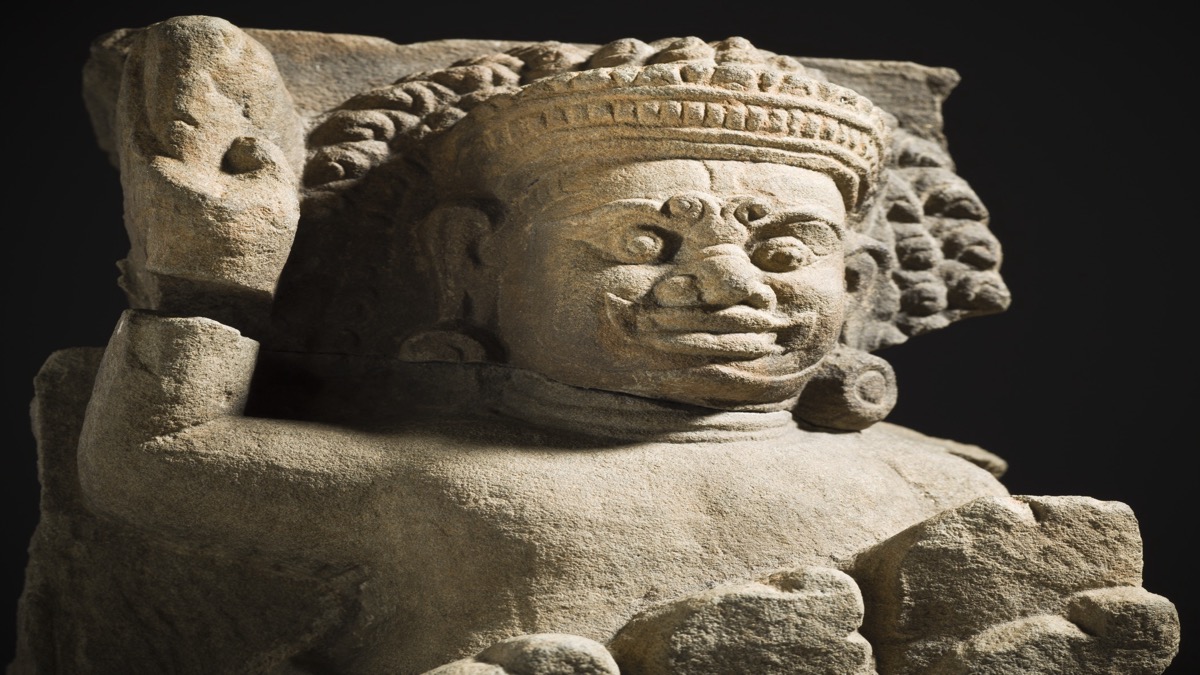
This rahu beej mantra is traditionally used to balance the erratic or obsessive tendencies often associated with this shadow planet. By repeating these specific sounds, a practitioner may find it easier to ground their thoughts and reduce mental restlessness. Classical texts suggest that this practice can help in managing the illusions or sudden disruptions that Rahu tends to bring into a person's life.
Rather than seeking a often reported result, practitioners often approach these chants as a way to cultivate inner stillness. This practice may assist in aligning one's personal energy with the cosmic flow, potentially making the influence of Rahu feel more manageable and less overwhelming. For those tracking their current planetary periods, checking their kundli can provide a better understanding of how Rahu is positioned in their chart.
Talk to an astrologer about what this means for your chart. First message free · ₹25/min
Meaning and Significance of Om Raam Rahave Namah
ॐ रां राहवे नमः
Om Raam Rahave Namah
Salutations to Rahu — a mantra to steady the mind and calm Rahu's restlessness
The mantra om raam rahave namah serves in Jyotish (Vedic astrology) as a traditional tool for those seeking to balance the energy of Rahu. To understand its purpose, it helps to look at the words individually. Om is the primordial sound of the universe, often used to center the mind. Raam is the beej (seed) sound specifically associated with Rahu, intended to resonate with the planet's unique frequency. Rahave refers to the shadow planet itself, and Namah is a gesture of salutation or surrender.
Rahu is traditionally associated with ambition, worldly desire, and sometimes confusion or illusion. When these tendencies become overwhelming, the mind can feel scattered or clouded. In the Vedic tradition, chanting this rahu shanti mantra is thought to create a vibrational shift that may help quiet the mental noise. Rather than promising a specific result, practitioners use this chant as a way to cultivate clarity and grounding. By focusing on the sound, one may find it easier to see through illusions and approach life with a more stable perspective. This practice is often viewed as a gentle way to align oneself with the cosmic flow, potentially reducing the restlessness that Rahu can sometimes trigger in a person's kundli (birth chart).
How to Chant Rahu Mantras for Maximum Benefit
Chanting Rahu mantras for maximum benefit is traditionally focused more on the quality of your presence and grounding than on the number of repetitions. In Jyotish tradition, Rahu is associated with restlessness and illusion, so the goal of chanting is often to cultivate a sense of grounding and mental clarity.
Begin by finding a quiet space where you can sit comfortably. A cross-legged posture on a mat or cushion is traditional, as it helps keep the spine straight and the mind alert. Gently close your eyes and take a few deep, slow breaths. This process helps settle the nervous system, making it easier to focus on the sound of the mantra.
When you begin chanting, focus on the vibration of the words rather than a specific desired outcome. Whether you use a rudraksha mala (prayer beads) to keep count or simply chant a powerful rahu mantra for success, consistency tends to be more beneficial than intensity. Chanting a few times every day with a calm heart is often more effective than a long session performed only once a month.
This practice is traditionally viewed as a way to balance the erratic energies associated with Rahu. By maintaining a steady rhythm and a patient approach, you may find it easier to manage stress and maintain focus in your daily life. For those tracking their planetary periods, checking your kundli can provide context on how these traditional practices align with your chart.
When is the Best Time to Chant Rahu Mantras?
The best time to chant Rahu mantras is traditionally during the evening or at night, as these periods are seen as more aligned with Rahu's nature. Timing often plays a significant role in Vedic practices, as the energy of the universe shifts according to the Panchang, the traditional Vedic almanac. Since Rahu is associated with the shadows and the mysterious, practitioners traditionally prefer chanting his mantras during the evening or at night. The period after sunset is often seen as more aligned with Rahu's nature, which may help in creating a focused atmosphere for calming his influence.
Saturdays are frequently chosen for these chants, as classical texts associate Rahu with the energy of Saturn. Chanting a rahu shanti mantra during the Rahu Kalam—a specific window of time identified in the Panchang—is another traditional approach, though some practitioners prefer to avoid this time for new beginnings. Instead, they use this window specifically for remedial mantras to balance Rahu's tendencies.
Regarding the lunar calendar, the period around the Amavasya (New Moon) is sometimes considered potent for Rahu mantras, as the lack of moonlight reflects the eclipsed nature of this shadow planet. While some people chant daily to maintain a sense of mental peace, others follow a specific count, such as 108 repetitions, to align with traditional numerology. These timings are not strict rules but rather tendencies suggested by tradition to better synchronize with the planetary vibrations.
How Many Times Should the Rahu Mantra Be Chanted?
Traditionally, the Rahu mantra is chanted 108 times, as this number is often considered sacred in the Vedic tradition. To keep track of these repetitions, practitioners typically use a mala, which is a string of prayer beads. A traditional mala contains 108 beads, allowing the chanter to complete one full cycle without needing to count manually.
The logic behind this specific number is rooted in ancient cosmology and mathematics. In Jyotish (Vedic astrology), 108 is seen as a significant number that connects the individual to the universe. For instance, it is often associated with the distance between the Earth, Sun, and Moon, as well as the 27 nakshatras (lunar mansions) multiplied by the four padas (quarters) of each mansion.
While traditional texts suggest 108 repetitions to create a rhythmic and meditative state, the practice is generally viewed as a personal journey. Some may find that chanting a single mala daily helps them feel more grounded, while others might choose different counts based on their specific goals. The focus remains on the intention and consistency of the practice rather than a rigid requirement. Using a mala can help maintain focus, making the process a calming ritual that may assist in managing the erratic tendencies often associated with Rahu.
Benefits of the Rahu Beej Mantra for Success
The Rahu Beej Mantra is traditionally used to ground volatile tendencies and align ambition with reality to help a practitioner move toward greater psychological stability. In Jyotish (Vedic astrology) tradition, Rahu is often associated with an erratic and expansive energy that can lead to mental fog or a sense of restlessness. When this energy feels unbalanced, it may manifest as confusion or an obsessive drive that lacks a clear direction. The rahu beej mantra, a seed sound designed to resonate with the planet's frequency, is traditionally used to ground these volatile tendencies.
Practising this mantra can help a person move toward greater psychological stability. By focusing the mind on the chant, the practitioner may find it easier to quiet the noise of sudden impulses and replace them with a sense of clarity. This mental grounding is often seen as a prerequisite for success, as it allows an individual to channel Rahu's ambition into structured, productive action rather than scattered effort. Many practitioners seek out powerful rahu mantras for success to help align their ambition with reality.
Rather than promising a specific outcome, these traditional chants are viewed as tools for internal alignment. They can help in reducing the feeling of being overwhelmed by illusions or unrealistic expectations. For those who feel their focus is fragmented, the rhythmic repetition of the Beej Mantra may offer a way to steady the intellect and regain a clearer perspective on their goals. This practice is often integrated into a wider routine of mindfulness to help balance the shadow planet's influence.
How to Calm Rahu Using a Rahu Mantra and Simple Remedies
Calming Rahu in the Jyotish (Vedic astrology) tradition typically involves a holistic approach that integrates the use of mantras with mindful lifestyle adjustments. While mantras can provide a sense of mental clarity, a holistic approach typically integrates these chants with mindful lifestyle adjustments.
Practising the rahu beej mantra—the seed sound traditionally used to align with the planet's energy—may help in grounding the mind. Many practitioners choose to chant these mantras during the early morning hours or on Saturdays, as these times are traditionally considered conducive to balancing Rahu's influence. Rather than viewing these practices as a quick fix, they are often seen as tools for cultivating patience and discernment.
Ethical living is equally important in this traditional framework. Since Rahu can sometimes lead to impulsive desires or shortcuts, practising honesty and transparency in one's professional and personal life is often suggested. Simple acts of service, such as donating blankets or food to those in need, are neutral traditional remedies that may help shift one's energy from obsession to compassion.
By combining the meditative quality of mantras with a commitment to integrity, an individual can create a balanced environment. This approach allows the ambitious energy of Rahu to manifest as focused growth rather than restlessness. For those tracking their planetary periods, checking a kundli can provide a broader understanding of these classical tendencies.
Frequently Asked Questions
Can I chant Rahu mantra daily to reduce its negative effects?
In Jyotish tradition, daily chanting of a Rahu mantra may help in balancing the energy of this shadow planet. Such practices are traditionally associated with bringing a sense of calm and mental clarity to the practitioner.
What is the difference between a Beej mantra and a Shanti mantra?
A Beej mantra is a seed sound intended to resonate with the core energy of a planet, whereas a Shanti mantra is traditionally used to seek peace and harmony. While Beej mantras focus on potency, Shanti mantras tend to be used for soothing and pacifying effects.
Does the Rahu mantra require a specific mala for chanting?
While some practitioners prefer specific materials like rudraksha or sandalwood, the tradition often emphasises the intention and devotion over the tool. Using a mala may help in maintaining a count, but it is generally considered a supportive practice rather than a strict requirement.
How does Rahu mantra help in professional success?
Classical texts suggest that Rahu governs ambition and innovation, so chanting its mantra may help a person channel these energies more constructively. This practice is traditionally believed to assist in reducing confusion, which may potentially lead to better decision-making in one's career.
Image: Rahu, LACMA (public domain) via Wikimedia Commons.
 Astrologger
.jpg)