How Many Shubh Vivah Muhurat Dates Are There in 2026?
Based on the Hindu Panchang, there are 59 auspicious marriage muhurat dates in 2026 (calculated for New Delhi; the exact count shifts slightly by city), reflecting days where the alignment of the Tithi (lunar day), Vara (weekday), and Nakshatra (star constellation) traditionally suggests a supportive energy for starting a new life together. These dates fall across February–July and November–December — January, August, September, and October have no auspicious wedding dates in 2026.
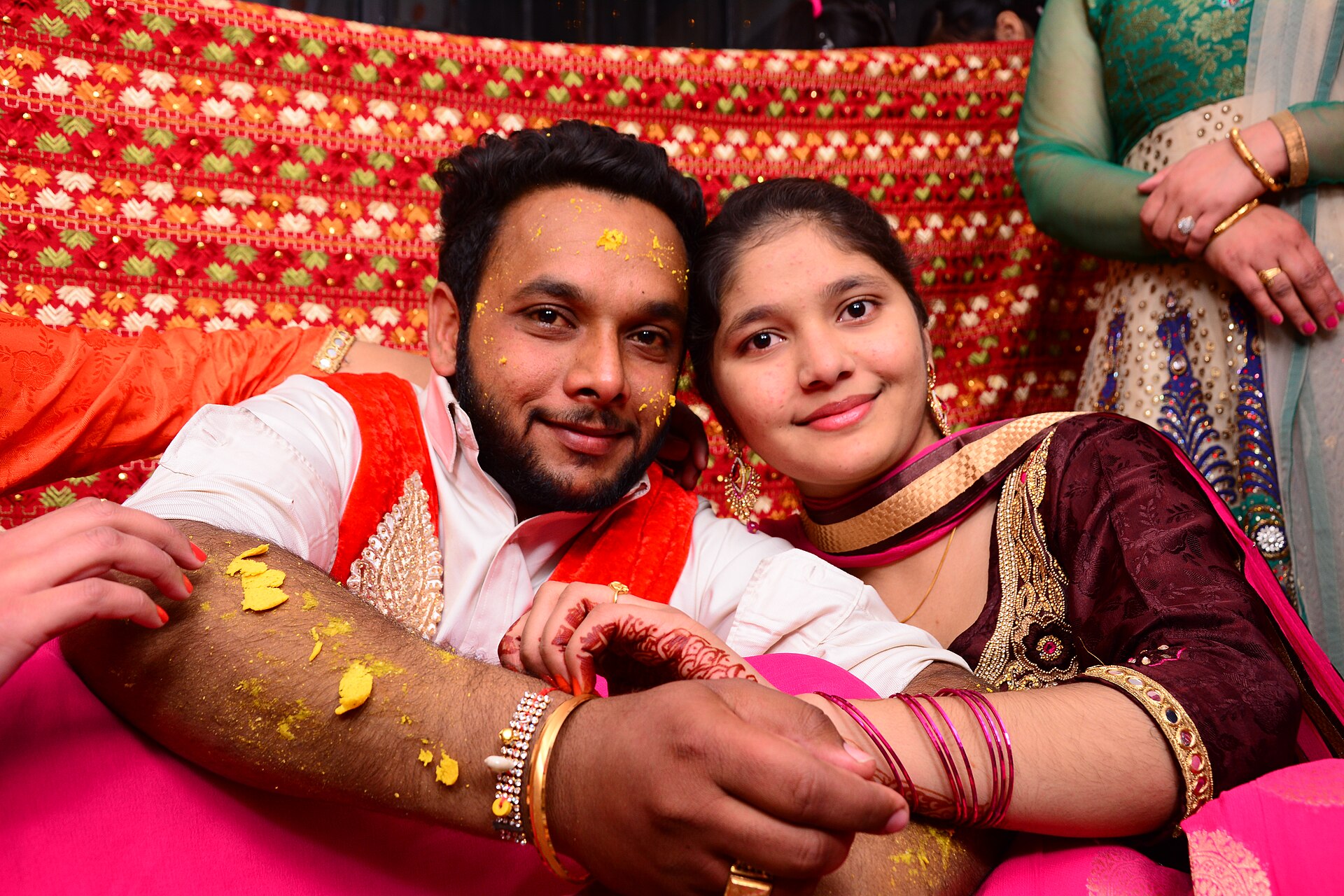
Selecting a shubh muhurat, or an auspicious time, is a cherished tradition in Vedic astrology. It is believed that choosing a time when the planetary positions are in harmony may help create a peaceful and balanced foundation for the couple. While the total number of dates provides many options, the availability often fluctuates throughout the year. In 2026 the longest gap runs from mid-July to late November: weddings pause when Jupiter and Venus go "combust" (Guru Tara Asta and Shukra Tara Asta) and through Chaturmas, the four-month period when Lord Vishnu is said to sleep, which begins around Devshayani Ekadashi on 25 July 2026. The last date before this gap is 11 July, and the first date after it is 21 November.
Because every individual has a unique birth chart, these general dates act as a starting point. A personal consultation with an astrologer often helps to refine these choices, as certain dates may align more harmoniously with the specific Janma Nakshatra (birth star) of the bride and groom. This practice tends to ensure that the chosen moment is not just generally auspicious, but personally supportive for the couple.
Talk to an astrologer about the right muhurat. First message free · ₹25/min
Month-by-Month Hindu Wedding Dates 2026: A Muhurat Calendar
Hindu wedding dates 2026 are identified month by month by consulting the Panchang, the traditional Vedic almanac that records five key astronomical elements, to help couples find a moment that aligns with a supportive cosmic energy. While general Hindu wedding dates 2026 are provided below, please remember that a personalized chart analysis tends to be the most reliable way to find a match for the couple.
Traditionally, certain periods like Chaturmas or Pitru Paksha are avoided, which can limit the number of available dates in specific months. For 2026, those seeking a harmonious start often look for specific Nakshatras (lunar constellations) that associate with stability and growth.
The dates below are calculated from the Hindu Panchang for New Delhi (timings shift slightly for other cities). Nakshatra, Tithi, and weekday for every date have been cross-checked against our own Panchang engine.
| Month | Date | Day | Nakshatra | Tithi | Shubh Muhurat (IST) |
|---|
| January | — | — | — | No auspicious dates — Shukra Tara Asta (Venus combust) | |
| February | 5 | Thursday | Uttara Phalguni, Hasta | Chaturthi–Panchami | 07:07 AM – 07:06 AM (6th) |
| February | 6 | Friday | Hasta | Panchami | 07:06 AM – 11:37 PM |
| February | 8 | Sunday | Swati | Saptami | 12:08 AM – 05:02 AM (9th) |
| February | 10 | Tuesday | Anuradha | Navami | 07:55 AM – 01:42 AM (11th) |
| February | 12 | Thursday | Mula | Ekadashi | 08:20 PM – 03:06 AM (13th) |
| February | 14 | Saturday | Uttara Ashadha | Trayodashi | 06:16 PM – 03:18 AM (15th) |
| February | 19 | Thursday | Uttara Bhadrapada | Tritiya | 08:52 PM – 06:55 AM (20th) |
| February | 20 | Friday | Uttara Bhadrapada, Revati | Tritiya–Chaturthi | 06:55 AM – 01:51 AM (21st) |
| February | 21 | Saturday | Revati | Panchami | 01:00 PM – 01:22 PM |
| February | 24 | Tuesday | Rohini | Navami | 04:26 AM – 06:50 AM (25th) |
| February | 25 | Wednesday | Mrigashira | Navami–Dashami | 01:28 AM – 06:49 AM (26th) |
| February | 26 | Thursday | Mrigashira | Dashami | 06:49 AM – 12:11 PM |
| March | 2 | Monday | Magha | Chaturdashi–Purnima | 01:46 PM – 06:44 AM (3rd) |
| March | 3 | Tuesday | Purva Phalguni, Magha | Purnima | 06:44 AM – 07:31 AM |
| March | 4 | Wednesday | Uttara Phalguni | Pratipada | 07:39 AM – 08:52 AM |
| March | 7 | Saturday | Swati | Chaturthi–Panchami | 11:15 AM – 06:39 AM (8th) |
| March | 8 | Sunday | Swati | Panchami | 06:39 AM – 07:04 AM |
| March | 9 | Monday | Anuradha | Shashthi | 04:11 PM – 11:27 PM |
| March | 11 | Wednesday | Mula | Navami | 04:41 AM – 06:34 AM (12th) |
| March | 12 | Thursday | Mula | Navami | 06:34 AM – 09:59 AM |
| April | 15 | Wednesday | Uttara Bhadrapada | Trayodashi | 03:22 PM – 10:31 PM |
| April | 20 | Monday | Rohini | Tritiya–Chaturthi | 05:51 AM – 05:49 PM |
| April | 21 | Tuesday | Mrigashira | Panchami | 05:50 AM – 12:31 PM |
| April | 25 | Saturday | Magha | Dashami | 02:10 AM – 05:45 AM (26th) |
| April | 26 | Sunday | Magha | Dashami–Ekadashi | 05:45 AM – 08:27 PM |
| April | 27 | Monday | Uttara Phalguni, Purva Phalguni | Dwadashi | 09:18 PM – 09:36 PM |
| April | 28 | Tuesday | Uttara Phalguni, Hasta | Trayodashi | 09:04 PM – 05:42 AM (29th) |
| April | 29 | Wednesday | Hasta | Trayodashi–Chaturdashi | 05:42 AM – 08:52 PM |
| May | 1 | Friday | Swati | Purnima | 10:00 AM – 09:13 PM |
| May | 3 | Sunday | Anuradha | Dwitiya | 07:10 AM – 10:28 PM |
| May | 5 | Tuesday | Mula | Chaturthi | 07:39 PM – 05:37 AM (6th) |
| May | 6 | Wednesday | Mula | Chaturthi–Panchami | 05:37 AM – 03:54 PM |
| May | 7 | Thursday | Uttara Ashadha | Shashthi | 06:46 PM – 05:35 AM (8th) |
| May | 8 | Friday | Uttara Ashadha | Shashthi | 05:35 AM – 12:21 PM |
| May | 13 | Wednesday | Uttara Bhadrapada, Revati | Dwadashi | 08:55 PM – 05:31 AM (14th) |
| May | 14 | Thursday | Revati | Dwadashi–Trayodashi | 05:31 AM – 04:59 PM |
| June | 21 | Sunday | Uttara Phalguni | Saptami | 09:31 AM – 11:21 AM |
| June | 22 | Monday | Hasta | Ashtami–Navami | 10:31 AM – 05:24 AM (23rd) |
| June | 23 | Tuesday | Hasta | Navami | 05:24 AM – 10:13 AM |
| June | 24 | Wednesday | Swati | Dashami–Ekadashi | 01:59 PM – 05:25 AM (25th) |
| June | 25 | Thursday | Swati | Ekadashi | 05:25 AM – 07:08 AM |
| June | 26 | Friday | Anuradha | Dwadashi–Trayodashi | 07:16 PM – 05:25 AM (27th) |
| June | 27 | Saturday | Anuradha | Trayodashi | 05:25 AM – 10:11 PM |
| June | 29 | Monday | Mula | Purnima | 04:16 PM – 04:03 AM (30th) |
| July | 1 | Wednesday | Uttara Ashadha | Dwitiya | 06:51 AM – 04:04 PM |
| July | 6 | Monday | Uttara Bhadrapada | Saptami | 01:41 AM – 05:29 AM (7th) |
| July | 7 | Tuesday | Uttara Bhadrapada | Saptami–Ashtami | 05:29 AM – 02:31 PM |
| July | 11 | Saturday | Rohini | Dwadashi–Trayodashi | 12:05 AM – 05:32 AM (12th) |
| August | — | — | — | No auspicious dates — Guru Tara Asta (Jupiter combust) & prohibited solar month | |
| September | — | — | — | No auspicious dates — prohibited solar month | |
| October | — | — | — | No auspicious dates — Shukra Tara Asta & prohibited solar month | |
| November | 21 | Saturday | Revati | Dwadashi | 06:48 AM – 12:08 AM (22nd) |
| November | 24 | Tuesday | Rohini | Pratipada | 11:25 PM – 06:52 AM (25th) |
| November | 25 | Wednesday | Rohini, Mrigashira | Pratipada–Dwitiya | 06:52 AM – 06:52 AM (26th) |
| November | 26 | Thursday | Mrigashira | Dwitiya–Tritiya | 06:52 AM – 05:47 PM |
| December | 2 | Wednesday | Uttara Phalguni | Navami–Dashami | 10:32 AM – 06:58 AM (3rd) |
| December | 3 | Thursday | Uttara Phalguni, Hasta | Dashami–Ekadashi | 06:58 AM – 06:59 AM (4th) |
| December | 4 | Friday | Hasta | Ekadashi | 06:59 AM – 10:22 AM |
| December | 5 | Saturday | Swati | Dwadashi–Trayodashi | 11:48 AM – 07:00 AM (6th) |
| December | 6 | Sunday | Swati | Trayodashi | 07:00 AM – 07:42 AM |
| December | 11 | Friday | Uttara Ashadha | Tritiya | 03:04 AM – 07:04 AM (12th) |
| December | 12 | Saturday | Uttara Ashadha | Tritiya–Chaturthi | 07:04 AM – 03:27 AM (13th) |
Choosing a shubh muhurat may help in creating a positive atmosphere for the union. Since regional variations exist between Purnimant and Amavasyant calendars, checking with a local priest can ensure the timing suits your specific family tradition.
Which Months in 2026 Have the Most Auspicious Wedding Dates?
In all, 2026 offers 59 auspicious wedding dates. February has the most (12), followed by March through June (8 each) and December (7); July adds 4 (the last being 11 July, before the Chaturmas gap) and November 4 (from the 21st, once Prabodhini Ekadashi on 20 November reopens the calendar). January, August, September and October have none. Finding the right time for a wedding often involves balancing personal preference with the cosmic rhythms of the Hindu calendar. When exploring auspicious wedding dates 2026, you may notice a higher concentration of favorable dates in February through June and again in December.
The period between late July and November typically sees a dip in available muhurats. This is primarily due to Chaturmas, the four-month period when Lord Vishnu is said to be in cosmic sleep. According to traditional Vedic practices, the window for weddings often closes around Devshayani Ekadashi on 25 July 2026. Additionally, Pitru Paksha, the fortnight dedicated to honoring ancestors, often limits the number of shubh (auspicious) dates.
For those with flexibility, the months of February through June and the window following Prabodhini Ekadashi on 20 November often offer more favorable alignments. These periods tend to align with positive solar transits and the awakening of the deities. While many couples look for dates in the spring or winter, the specific choice often depends on the birth charts of the couple. Consulting a panchang (astrological calendar) can help identify dates where the lunar day and nakshatra (star constellation) align to support a harmonious start to married life.
Which Nakshatra Is Best for Marriage in 2026?
In Vedic astrology, Nakshatras such as Rohini, Mrigashira, Magha, and Uttara Phalguni are traditionally regarded as among the most auspicious constellations for marriage, including in 2026, due to their classical associations with nourishment, affection, and a strong family foundation. In Vedic astrology, the selection of a wedding date relies heavily on the Panchang, the traditional Vedic almanac. While Tithi (lunar day) and Vara (weekday) are important, the Nakshatra, or the Moon's constellation, often plays a pivotal role in determining the emotional and spiritual quality of a union. Choosing a favorable Nakshatra is a traditional practice intended to align the couple with energies that may foster harmony and longevity.
Classical texts often associate certain constellations with stability and growth. For instance, Rohini and Mrigashira are frequently viewed as auspicious for marriage due to their connection to nourishment and affection. Similarly, Magha and Uttara Phalguni are often regarded as supportive for establishing a strong family foundation.
When looking at the lagan muhurat 2026 calendar, these auspicious constellations appear periodically. For example, the Panchang places the Moon in Rohini on 20 April and again on 24 November 2026, and in Hasta on 6 February and 4 December — all of which appear as wedding dates in the table above. Because the Moon moves quickly through the zodiac, these favorable Nakshatras recur throughout the year, offering several windows for a shubh muhurat. It is generally suggested to consult a personal horoscope to see which of these constellations aligns best with the individual charts of the couple.
What Is Panchang Shuddhi and How Does It Affect Wedding Date Selection?
Panchang Shuddhi is the traditional Vedic practice of checking the purity or alignment of five key astronomical limbs of the Vedic almanac when selecting an auspicious wedding date. The word Panchang comes from pancha (five) and anga (limb). For a date to qualify as a shubh vivah muhurat 2026, or an auspicious moment, these five astronomical parameters tend to need a harmonious combination.
These five elements include the Tithi (lunar day), Vara (day of the week), Nakshatra (the Moon's constellation), Yoga (a specific longitudinal calculation of the Sun and Moon), and Karana (half of a tithi). In traditional practice, a date may appear favorable because of a strong Nakshatra, but it can be considered less ideal if the Tithi or Yoga suggests a conflicting energy.
Panchang Shuddhi is essentially a holistic check. Rather than looking at one factor in isolation, the astrologer examines how these five limbs interact. When they align favorably, it is believed to create a supportive atmosphere for a new beginning. This process helps couples avoid windows of time that are traditionally seen as less supportive, such as Rahu Kalam, and instead find moments that may foster a more peaceful and balanced union.
Which Dates Should Be Avoided for Marriage in 2026?
In 2026, the most significant period traditionally avoided for Hindu weddings is Chaturmas, the four-month period when Lord Vishnu is said to be in cosmic sleep, which typically begins on Devshayani Ekadashi on 25 July 2026 and lasts until Prabodhini Ekadashi on 20 November 2026. During this window, many families tend to avoid scheduling weddings to align with the traditional belief that the energy of the universe is in a state of repose.
Pitru Paksha, the fortnight dedicated to honoring ancestors, is another time when auspicious ceremonies are generally paused. These days are often seen as a time for reflection and gratitude rather than celebration.
Beyond these long periods, specific lunar days or Tithis are usually avoided. Amavasya (the new moon) is often considered a time of low lunar energy, which may not be ideal for the high vitality required for a marriage. Similarly, certain combinations of the moon's position and the star constellation may be viewed as less harmonious. These guidelines are tendencies based on classical Vedic wisdom, intended to help couples find a time that feels balanced and supportive for their journey together.
Are There Auspicious Marriage Dates in 2026 After July?
Auspicious Hindu marriage dates in 2026 after July are generally limited until late November, when the post-Chaturmas window from 20 November through December tends to offer the most promising opportunities. Traditionally, the period known as Chaturmas—the four months when Lord Vishnu is said to sleep—often restricts the scheduling of weddings. In 2026, this period begins on Devshayani Ekadashi on 25 July.
Because of this tradition, most of August, September, and October tend to be void of shubh muhurats (auspicious timings). The restriction typically lifts on Prabodhini Ekadashi, which falls on 20 November 2026. This date marks the end of Chaturmas and the awakening of the deity, which often opens the doors for wedding celebrations once again.
For those seeking Hindu wedding dates in 2026 after July, the window from 20 November through December tends to be the most promising. While the specific daily timings require a detailed check of the Panchang (astrological calendar) and the couple's birth charts, this post-Chaturmas period can offer several favorable dates. It is often a beautiful time to marry, as the festive energy of Diwali and the onset of winter create a joyful atmosphere. As always, these dates represent general tendencies, and consulting a qualified priest can help align the timing with your individual planetary positions.
What Is the Importance of Choosing a Shubh Muhurat for Marriage in Vedic Astrology?
In Vedic astrology, choosing a shubh muhurat for marriage is important because the tradition holds that planetary positions at the exact moment a ceremony begins can influence the general atmosphere and tendencies of the couple's journey together — though the practice is understood as a philosophical alignment with supportive cosmic vibrations rather than a guarantee of any specific outcome. The tradition suggests that the universe operates in cycles of varying energy, and selecting a muhurat is a way of aligning a new beginning with those cycles. Rather than acting as a guarantee of a specific outcome, choosing a muhurat is a philosophical practice intended to align a new beginning with supportive cosmic vibrations.
To determine these timings, astrologers consult the Panchang, the traditional Vedic almanac. The Panchang records five key astronomical parameters: Tithi (lunar day), Vara (day of the week), Nakshatra (Moon's constellation), Yoga (a combined Sun–Moon calculation), and Karana (half of a tithi).
By analysing these five elements, practitioners identify windows where the planetary alignments are traditionally associated with harmony and growth. For instance, certain combinations may create highly auspicious moments, such as Amrit Siddhi Yoga, while others are typically avoided. This process is a way of honouring tradition and seeking a mindful start to married life. While the practice cannot promise a perfect marriage, it reflects a cultural desire to begin a lifelong commitment during a period of perceived balance and positivity.
How to Use This Calendar Alongside a Personal Kundali Consultation
This calendar is best used as a helpful starting point rather than a final answer, because it is based on the general Panchang—the traditional Vedic almanac that records five key astronomical elements to determine auspicious timings—and reflects broad tendencies rather than a personalised blueprint for your specific union.
In Jyotish tradition, a general lagan muhurat is often refined through Kundali Milan, the process of matching the birth charts of the couple. This additional layer of personalisation allows a practitioner to see how a specific date may align with your individual planetary positions. A date that is generally auspicious may be more or less harmonious depending on the unique lunar placements in your personal charts.
When you consult a Jyotishi (astrologer), you might ask how the chosen date interacts with your current Mahadasha, or major planetary period. You can also inquire if the specific Nakshatra (lunar mansion) of the day is traditionally associated with the strengths of both partners. Approaching the calendar as a guide rather than a final answer allows you to blend general Vedic wisdom with the nuances of your own life journey, creating a foundation that feels aligned and respectful of the tradition.
Frequently Asked Questions
Which are the most auspicious marriage dates in 2026 as per Hindu Panchang?
Auspicious marriage dates are determined by the Panchang, the traditional Vedic almanac that records five astronomical elements. While specific dates depend on the alignment of Tithi, Nakshatra, and Yoga, families traditionally consult these records to find windows that avoid inauspicious periods like Rahu Kaal.
Does the choice of nakshatra matter more than the tithi when selecting a vivah muhurat?
In Jyotish tradition, both the Nakshatra (Moon's constellation) and Tithi (lunar day) are considered essential components of a muhurat. Neither is typically viewed as more important than the other, as they are consulted collectively to determine the overall suitability of a moment.
How does Chaturmas affect the availability of marriage muhurat dates in 2026?
Chaturmas is a four-month period during which certain auspicious activities, including weddings, are traditionally paused. In 2026, the onset of this period is associated with Devshayani Ekadashi on 25 July, which may limit the availability of marriage muhurats until the period concludes.
Can a marriage muhurat date be auspicious for one couple but not another?
Yes, while a general muhurat may be auspicious based on the Panchang, individual compatibility is often considered. Traditional practices suggest that a date may be further refined by analysing the couple's specific kundlis (birth charts) to ensure the timing aligns with their personal planetary tendencies.
What is the difference between lagan muhurat and vivah muhurat?
Vivah muhurat generally refers to the broader auspicious date and time for the wedding ceremony. Lagan muhurat is traditionally a more specific window, often focusing on the precise moment the couple is wed to ensure a favourable planetary alignment at the time of union.
How far in advance should a family consult a Panchang to fix a wedding date?
Families often consult the Panchang several months in advance to identify potential auspicious windows. This allows them to coordinate with the tradition-based timings of the Vedic almanac while managing the logistical arrangements for the ceremony.
Images: Benipal hardarshan (CC BY-SA 3.0) via Wikimedia Commons.
 Astrologger

.jpg)