What are the best marriage dates in 2027?
The best marriage dates in 2027 include 69 shubh (auspicious) days identified through traditional Vedic calculations, with May being the most auspicious month offering 12 dates. These dates often align with favorable planetary transits that may support harmony and longevity in a marriage.

May tends to be the most auspicious month for marriage in 2027, offering 12 shubh dates. June follows closely with 11 dates, while February provides 10 options. If you are looking for early-year celebrations, January contains 9 auspicious dates. April also offers 9 dates for those planning a spring wedding. In contrast, July is quite limited with only 2 dates, and the latter part of the year sees a smaller cluster of dates in November (7) and December (4).
To find the best shadi muhurat 2027 for your specific needs, it is traditional to consult a panchang to check the Tithi (lunar day) and Nakshatra (constellation). While these general dates provide a strong foundation, a personalized kundli analysis can help determine which of these 69 days aligns best with the couple's unique planetary positions. This tailored approach helps in selecting a window that may foster a supportive and loving union.
Talk to an astrologer about the right muhurat. First message free · ₹25/min
All 69 shubh vivah (marriage) dates in 2027, month by month
| Month (2027) | Shubh dates | Count |
|---|
| January | 15, 18, 20, 24, 25, 27, 28, 29, 31 | 9 |
| February | 1, 3, 4, 11, 14, 22, 25, 26, 27, 28 | 10 |
| March | 3, 4, 10, 11, 14 | 5 |
| April | 16, 17, 18, 19, 22, 23, 25, 26, 28 | 9 |
| May | 2, 3, 8, 9, 13, 15, 16, 17, 20, 22, 23, 31 | 12 |
| June | 9, 10, 11, 13, 14, 16, 18, 19, 21, 26, 27 | 11 |
| July | 1, 2 | 2 |
| November | 11, 12, 20, 21, 24, 25, 26 | 7 |
| December | 1, 8, 9, 13 | 4 |
Dates are computed by our Swiss-Ephemeris panchang engine (Lahiri ayanamsa) for New Delhi sunrise. The exact muhurta window within each day varies by city — check the panchang and choghadiya for your city, and confirm the final lagna with a qualified priest. Different panchangs apply different shuddhi rules (yoga, karana and nakshatra strictness varies between traditions), so published lists differ slightly between sources — treat any single list, including this one, as a starting point rather than a verdict.
Month-by-Month Shubh Vivah Muhurat 2027
A month-by-month shubh vivah muhurat 2027 consists of 69 identified dates for marriage, with the most auspicious windows appearing in May and June. Selecting a wedding date often involves consulting the Panchang, the traditional Vedic almanac, to find a moment where the Tithi (lunar day) and Nakshatra (constellation) align favorably.
While these dates are generally favorable, traditional Vedic astrology suggests that a personalized kundli analysis can help refine the choice to better suit the couple's specific birth charts.
| Month | Number of Shubh Dates | Auspicious Wedding Dates (2027) |
|---|
| January | 9 | 15, 18, 20, 24, 25, 27, 28, 29, 31 |
| February | 10 | 1, 3, 4, 11, 14, 22, 25, 26, 27, 28 |
| March | 5 | 3, 4, 10, 11, 14 |
| April | 9 | 16, 17, 18, 19, 22, 23, 25, 26, 28 |
| May | 12 | 2, 3, 8, 9, 13, 15, 16, 17, 20, 22, 23, 31 |
| June | 11 | 9, 10, 11, 13, 14, 16, 18, 19, 21, 26, 27 |
| July | 2 | 1, 2 |
| November | 7 | 11, 12, 20, 21, 24, 25, 26 |
| December | 4 | 1, 8, 9, 13 |
These hindu marriage dates 2027 reflect general tendencies for auspiciousness. Since regional variations in the calendar exist, it is often helpful to verify the final timing with a local priest or astrologer to ensure the specific hour aligns with your family traditions.
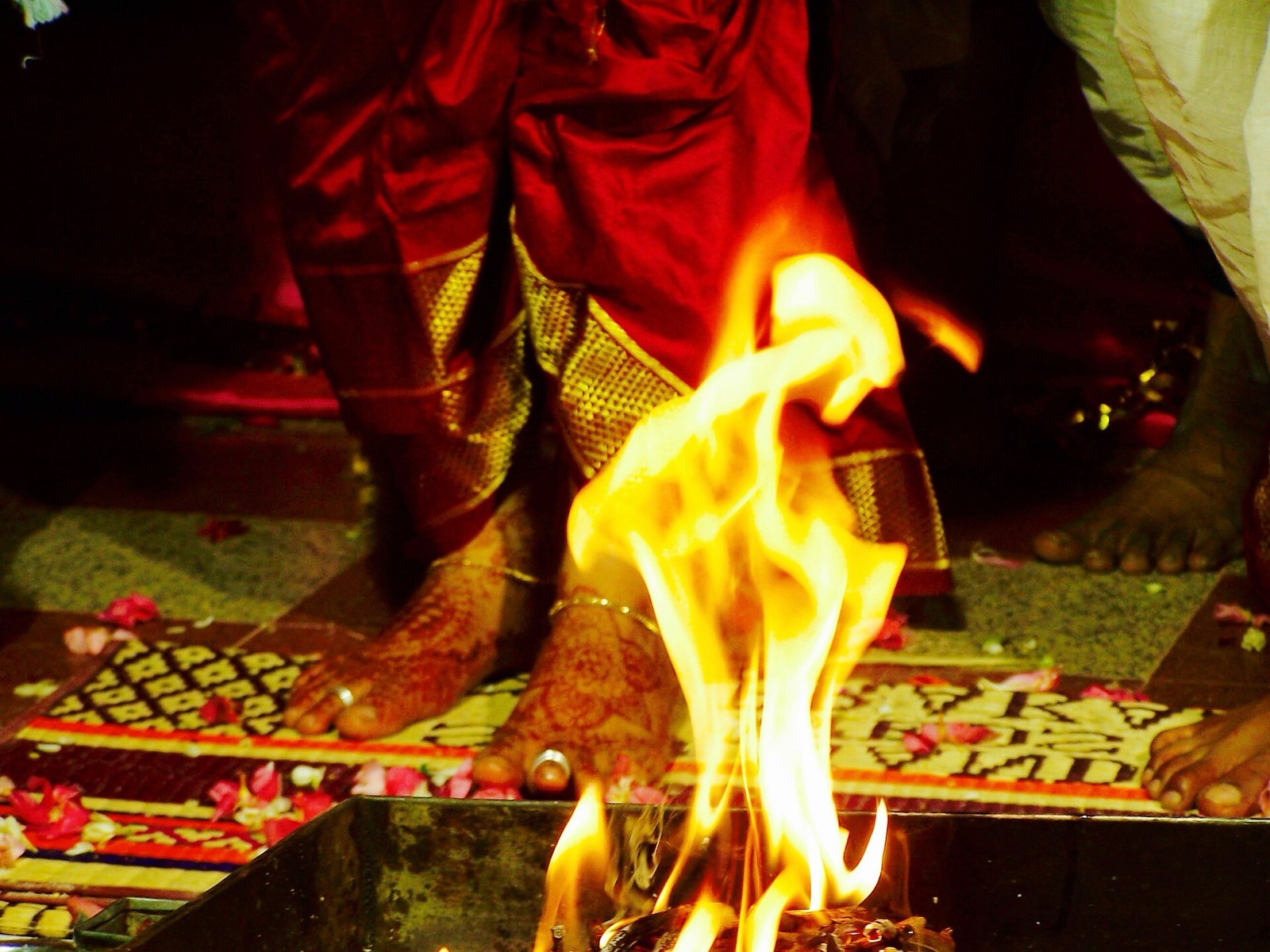
Which months are most auspicious for weddings in 2027?
May, June, and February tend to be the most auspicious months for weddings in 2027, as they offer the highest concentration of shubh muhurats. May stands out as the most auspicious month, offering 12 shubh dates, closely followed by June with 11 and February with 10. January and April also provide a healthy density with 9 dates each.
These peaks often occur when the Panchang indicates a harmonious alignment of the five limbs, particularly when the Moon resides in stable Nakshatras (constellations) and the Tithi (lunar day) is favorable. In Vedic tradition, these periods tend to offer a supportive energetic backdrop for new beginnings, as the planetary positions may align to foster longevity and domestic harmony.
Conversely, some months offer very few options. July, for instance, has only 2 shubh dates, while December has 4. This scarcity often relates to traditional periods of avoidance, such as Chaturmas, where certain astronomical combinations are classically viewed as less suitable for weddings. While these trends provide a general guide, a personalized kundli analysis can help refine these vivah muhurat 2027 dates, as a date that is generally auspicious may vary in its tendency based on the couple's individual birth charts.
Which dates are avoided for Hindu weddings in 2027?
Dates traditionally avoided for Hindu weddings in 2027 include periods such as Kharmas and Chaturmas, when cosmic energies are viewed as less ideal for celebratory unions. While many dates are auspicious, certain periods are traditionally viewed as 'Ashubh' or unsuitable for starting a new chapter like marriage. These windows are not seen as sources of doom, but rather as times when the cosmic energies may not align ideally for a celebratory union.
One such period is Kharmas, which occurs when the Sun enters Sagittarius (Dhanu). In Jyotish tradition, this timeframe is often avoided for auspicious ceremonies as it is associated with a period of spiritual introspection rather than outward celebration. Similarly, Chaturmas refers to the four-month period when Lord Vishnu is said to be in a state of cosmic sleep. During these months, many families traditionally avoid wedding dates 2027 hindu customs suggest, focusing instead on fasting and prayer.
For 2027, these traditionally avoided periods typically include:
- Kharmas: Generally occurring from mid-December 2026 through mid-January 2027.
- Chaturmas: Traditionally spanning from the beginning of Shravana (usually July) to the end of Kartik (usually November).
Because regional Panchang variations exist between the Purnimant (North Indian) and Amavasyant (South Indian) calendars, these dates can shift slightly. It is often recommended to consult a family priest or a professional astrologer to ensure the chosen date aligns with the couple's individual birth charts.
How to find the best marriage muhurat for your specific chart?
Finding the best marriage muhurat for a specific chart typically requires a personalized analysis of the individual birth charts of both partners to refine general auspicious dates. While the general dates listed for 2027 provide a helpful starting point, they are based on a broad Panchang, which is the traditional Vedic almanac recording five daily astronomical elements. These dates tend to be auspicious for the majority of people, but a truly personalized shadi muhurat 2027 often requires a deeper look at the individual birth charts of both partners.
The process typically begins with Guna Milan, a compatibility scoring system that compares eight factors between two natal Moons to assess suitability. Beyond this score, an astrologer may examine the personal horoscopes to ensure the chosen date does not conflict with the couple's specific planetary placements. For instance, certain dates that appear shubh (auspicious) in a general calendar may not align with an individual's current dasha or transit period.
By analyzing your kundli, a practitioner can refine these general windows to find a moment that may better support the unique energy of the couple. This personalized approach aims to harmonize the cosmic timing with the partners' own astrological tendencies, creating a foundation that traditionally supports a peaceful and enduring union.
The role of Panchang in calculating Vivah Muhurat 2027 dates
The Panchang serves as the traditional Vedic almanac used to calculate Vivah Muhurat dates by recording five key astronomical elements, or "limbs," to determine the energy of a specific moment. Each limb provides a different layer of insight into the energy of a specific moment.
The first limb is Tithi, the lunar day, which runs from 1 to 30 in a lunar month. Next is Vara, the day of the week. The third is Nakshatra, the constellation where the Moon is positioned, which often plays a central role in marriage calculations. The fourth limb is Yoga, a combined calculation of the Sun and Moon's longitudinal positions that results in 27 different types, some traditionally viewed as auspicious and others as less so. Finally, there is Karana, which is half of a tithi and is used to determine the suitability of specific activities.
When these five elements align favourably, they can create highly auspicious windows, such as Sarvartha Siddhi Yoga or Amrit Siddhi Yoga. Conversely, certain combinations may form inauspicious periods, like Rahu Kalam or Yamagandam, during which important actions are traditionally avoided. Because these calculations can vary based on the Amavasyant calendar (common in the south) or the Purnimant calendar (used in the north), regional variations in dates often occur. By consulting the Panchang, families may seek a moment that tends to support a harmonious beginning.
Importance of Guna Milan before finalizing a marriage muhurat 2027
Guna Milan is traditionally performed before finalizing a marriage muhurat in 2027 to assess the compatibility of the couple. In Vedic astrology, this process is a system that compares the birth charts of two individuals across eight factors, or Ashtakuta, by analyzing the nakshatras (birth stars) of their natal Moons.
This evaluation looks at categories such as Varna (spiritual evolution), Yoni (sexual nature), and Graha Maitri (planetary friendship) to assess how two personalities may align. Traditionally, a score of 18 or above out of 36 is considered acceptable, while 30 or more is seen as excellent. However, the total score is not the only factor. Classical texts suggest that certain combinations, like Nadi Dosha (related to constitution and progeny) or Bhakuta Dosha (Moon-sign relationships), can be significant regardless of the total points.
Matching charts first helps ensure that the chosen wedding date aligns with the unique energetic needs of both partners. While a general shubh vivah muhurat 2027 may look promising on a panchang, a personalized kundli analysis can reveal if a specific date tends to be more harmonious for the couple. This balanced approach often helps in fostering long-term emotional and spiritual harmony.
Frequently Asked Questions
Are there any shubh vivah muhurat dates in January 2027?
Yes, there are 9 shubh vivah muhurat dates in January 2027. These auspicious dates are January 15, 18, 20, 24, 25, 27, 28, 29, and 31.
What is the most auspicious month for marriage in 2027?
Based on the number of available shubh dates, May tends to be the most auspicious month with 12 dates. June follows closely with 11 dates, offering several traditional windows for wedding celebrations.
How does a priest determine the exact lagna for a wedding?
A priest typically consults the Panchang, the traditional Vedic almanac, to analyze the five astronomical elements of the day. By calculating the rising sign (lagna) and ensuring it aligns favourably with the couple's birth charts, they aim to find a moment traditionally associated with harmony.
Can a marriage take place during Kharmas if the chart is strong?
In Jyotish tradition, Kharmas is generally viewed as a period where auspicious ceremonies are avoided. While some may consider individual chart strengths, classical texts typically suggest waiting for a shubh muhurat to ensure the union begins under traditionally positive planetary alignments.
Which Nakshatras are considered best for marriage?
Certain Nakshatras, or lunar constellations, are traditionally considered more favourable for marriage due to their gentle and nurturing qualities. These are often selected as part of the Panchang calculations to encourage a tendency toward stability and affection in the marriage.
Images: Symphoney Symphoney (CC BY 2.0) via Wikimedia Commons.
 Astrologger

_Hindu_wedding,_Saptapadi_ritual_before_Agni_Yajna.jpg)