What is the most powerful Durga mantra for success?
The Navarna Mantra, Om Aim Hreem Kleem Chamundayai Vicche, is traditionally considered among the most powerful chants for victory and success in the Vedic tradition. In this tradition, Maa Durga is revered as the supreme embodiment of Shakti (divine energy) and the ultimate remover of obstacles. When we seek success, we often look to her not just for material gain, but for the inner strength and clarity needed to overcome challenges. She tends to represent the victory of dharma (righteousness) over chaos, making a durga mantra a source of courage for those facing difficult transitions.
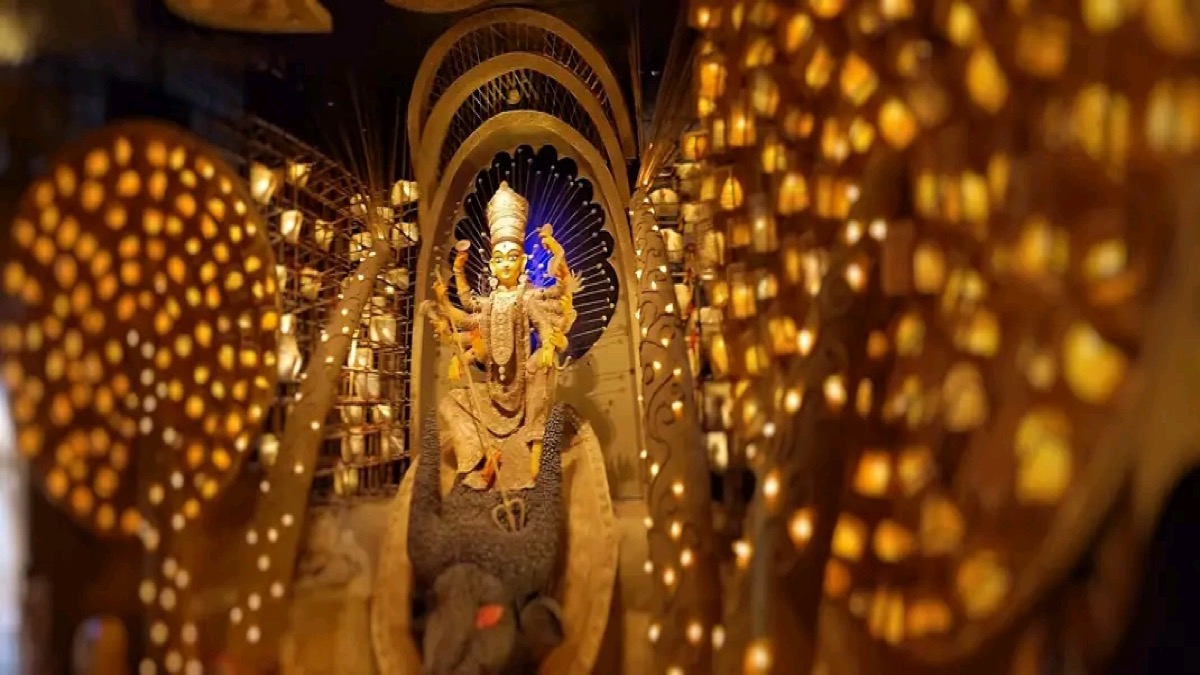
This mantra combines the energies of Maha Saraswati, Maha Lakshmi, and Maha Kali. Traditionally, it is believed that this combination may help a practitioner clear mental blocks and attract the resources necessary for success. Another cherished practice is the chanting of the durga beej mantra, which often serves as a seed of spiritual growth and protection.
Many practitioners find that chanting these mantras during auspicious times, such as Sharad Navratri (starting 2026-10-11) or Durga Ashtami (2026-10-19), can enhance their focus. While the number of repetitions varies by tradition, a sincere heart and a calm mind are often considered more important than the count. You can check the panchang to find a peaceful muhurat (auspicious timing) for your daily practice. These spiritual tools may foster a sense of resilience, helping you move toward your goals with grace.
Talk to an astrologer about what this means for your chart. First message free · ₹25/min
The Durga Beej Mantra: Meaning and Benefits
The Durga Beej Mantra, Om Dum Durgaye Namaha, is a concise seed mantra traditionally believed to contain the essence of the Goddess's power and translate as "Om, I bow to the Goddess Durga." For Maa Durga, the maa durga mantra in the form of a Beej mantra is:
ॐ दुं दुर्गायै नमः
(Om Dum Durgaye Namaha)
The syllable 'Dum' is the seed sound associated with the Divine Mother, acting as a focal point for the practitioner's intention.
In the Jyotish tradition, chanting this mantra is often associated with the cultivation of inner strength and mental clarity. Those who practise this mantra may find it helps in calming a restless mind or overcoming feelings of anxiety. Classical texts describe these powerful durga mantras for protection as a way to invoke the protective energy of the Goddess, which can assist a person in facing life's challenges with greater resilience.
Rather than offering a quick fix, this traditional practice tends to work through consistency. When recited with devotion, it may help align one's internal energy, potentially leading to a more disciplined and courageous approach to daily obstacles. Many practitioners find that this simple yet profound sound helps them feel more grounded and spiritually secure.
Understanding the Ya Devi Sarvabhuteshu Mantra
A profound prayer from the Devi Mahatmyam, the ya devi sarvabhuteshu mantra acknowledges the divine feminine energy, or Shakti, as an immanent presence residing within all living beings. Rather than viewing the Goddess as a distant entity, this mantra recognizes the divine feminine energy, or Shakti (cosmic power), as an immanent presence residing within all living beings.
The prayer traditionally follows a pattern of recognizing the Goddess in various forms. It describes how she may manifest as consciousness, intelligence, sleep, forgiveness, or power. By chanting these verses, a practitioner acknowledges that the qualities they seek—such as strength or compassion—are already present within themselves and others as reflections of the Divine.
In the Vedic tradition, this practice tends to foster a sense of universal interconnectedness. It suggests that since the same divine spark exists in every creature, treating others with kindness is a form of worshipping the Mother. For those seeking mental peace or emotional balance, this mantra can serve as a meditative tool to shift focus from the ego toward a broader, more inclusive spiritual perspective. It is often practised at home as a way to invite grace and mindfulness into the daily environment.
Powerful Durga Mantras for Protection
Powerful durga mantras for protection are tools used in the Vedic tradition to cultivate inner strength and spiritual resilience rather than being seen as magical shields. By focusing the mind on the Divine Mother, a practitioner may find that their anxiety tends to decrease, replaced by a psychological feeling of being guarded and supported.
The durga beej mantra—Om Dum Durgaye Namaha—is perhaps the most common for this purpose. This seed mantra is traditionally associated with removing obstacles and creating a protective boundary around the practitioner's aura. Another powerful option is the Sarva Mangala Mangalye mantra, which honors the auspicious nature of the Goddess and can help foster a feeling of holistic security.
For those wondering if anyone can chant these at home, tradition generally suggests that anyone with a sincere heart can practice these mantras. To chant correctly, one often sits in a quiet space, maintains a straight spine, and focuses on the sound vibration. While some practitioners repeat a mantra 108 times using a mala (prayer beads), the number of repetitions often depends on personal devotion rather than a fixed rule. These practices can be especially meaningful during Sharad Navratri, which begins on 2026-10-11, as the collective energy of the festival may enhance the meditative experience.
How to chant a Durga mantra correctly?
Chanting a Durga mantra correctly traditionally involves prioritizing a quiet heart and sincere intention over technical perfection. In the Jyotish tradition, the intention behind the chant is traditionally considered more significant than the flawless execution of every syllable.
To begin, find a clean, quiet space where you can sit undisturbed. You may choose to face East or North, as these directions are classically associated with spiritual growth and clarity. Sit in a comfortable posture, such as Sukhasana (easy cross-legged pose), keeping your spine straight to allow the breath to flow naturally.
Regarding pronunciation, try to speak the Sanskrit sounds clearly and slowly. If you are new to these mantras, listening to a recording can help you get a feel for the rhythm. However, do not let the fear of a mispronounced word stop your practice. The vibration of the mantra and your sincere devotion are what traditionally matter most.
For those who wish to align their practice with cosmic timings, consulting a Panchang (the traditional Vedic almanac) can help identify auspicious moments or Tithis (lunar days) that may enhance the experience. Whether you use a mala (prayer beads) to keep count or simply chant for a few minutes, the goal is to create a steady, meditative state. This practice tends to foster a sense of inner strength and powerful durga mantras for protection over time.
How many times should I chant a Maa Durga mantra for results?
Chanting a Maa Durga mantra 108 times is a traditional Vedic practice that tends to help the practitioner maintain focus and rhythm. This count is not a magic number for immediate results, but rather a traditional practice that may help align the mind with the divine energy of Maa Durga.
Consistency often matters more than the total count. Daily practice, even in smaller numbers, can create a steady spiritual discipline that may lead to a sense of inner peace and strength. Some practitioners choose to chant for a specific period, such as 40 days, to build a deeper connection.
Timing also plays a role in these practices. Many people consult the Panchang to find auspicious moments for beginning a mantra sadhana (dedicated practice). The lunar calendar, specifically Tithis (lunar days), often informs when a mantra may be more potent. For instance, chanting during Navratri or on Tuesdays and Fridays often aligns with the energies associated with the Goddess. By observing these traditional timings, a seeker may find it easier to enter a meditative state, though the most important element remains the sincerity of the heart.
Can anyone chant Maa Durga mantras at home?
Maa Durga mantras can generally be chanted at home by anyone who approaches her with a sincere heart, as the Divine Mother is seen in the Vedic tradition as the universal protector and mother to all. While some complex rituals may require a guru, the practice of simple mantra chanting (the repetition of sacred sounds) is generally considered inclusive.
Devotion, or bhakti, is traditionally viewed as the primary requirement for home practice. Whether you are deeply familiar with your kundli (birth chart) or new to these practices, chanting in a clean, quiet space with a focused mind can create a sense of peace. In Jyotish tradition, using powerful durga mantras for protection may help align one's inner energy and can foster a feeling of strength.
Rather than focusing on rigid rules, beginners can start by chanting with a spirit of surrender and love. While some choose to follow specific counts or timings for a more disciplined approach, the essence of the practice remains the connection between the seeker and the Divine. This openness ensures that anyone, regardless of their background, can invite the energy of Maa Durga into their home.
Frequently Asked Questions
What is the best time of day to chant Durga mantras?
In Jyotish tradition, the Brahma Muhurta (the early morning hours before sunrise) is often considered the most auspicious time for chanting. This period is traditionally associated with clarity and spiritual receptivity, though practitioners may also find peace chanting during the evening twilight.
Do I need a specific mala for chanting Maa Durga mantras?
Practitioners traditionally use a Rudraksha or Sphatik (crystal) mala to keep count of their repetitions. While these materials are classically associated with divine energy, the most important element is often considered to be the devotee's sincere intention and focus.
Can Durga mantras be chanted during any lunar phase?
Yes, these mantras can generally be chanted during any lunar phase, as the Divine Mother's grace is traditionally seen as ever-present. However, certain phases like the waxing moon or specific festivals, such as Sharad Navratri starting on 2026-10-11, may be viewed as particularly potent windows for practice.
Is it necessary to fast while chanting these mantras?
Fasting is a traditional practice that some choose to enhance their discipline and focus, but it is not strictly necessary for the mantra to be effective. Many practitioners find that a simple, sattvic (pure) diet may support their spiritual practice without the need for a full fast.
Image: Hizibizbizz (CC0) via Wikimedia Commons.
 Astrologger