What Is the Difference Between Purnima and Amavasya in the Hindu Calendar?
Purnima and Amavasya are the two primary poles of the Hindu lunisolar month: Purnima is the 15th lunar day of the Shukla Paksha (the bright fortnight), marking the full moon, while Amavasya is the 15th lunar day of the Krishna Paksha (the dark fortnight), occurring during the new moon. Exploring purnima amavasya effects in Vedic astrology begins with recognizing these two points as the anchors of the Panchang (the traditional five-part calendar), because they represent the maximum and minimum visibility of the moon. The amavasya significance in Hinduism is deeply tied to this structure — it is traditionally observed as a potent time for honoring ancestors. In Vedic tradition, the moon is closely linked to the Manas (the mind). Consequently, Purnima often correlates with a tendency toward heightened emotions or a sense of fullness, while Amavasya can be a time when the mind feels more introspective or quiet.
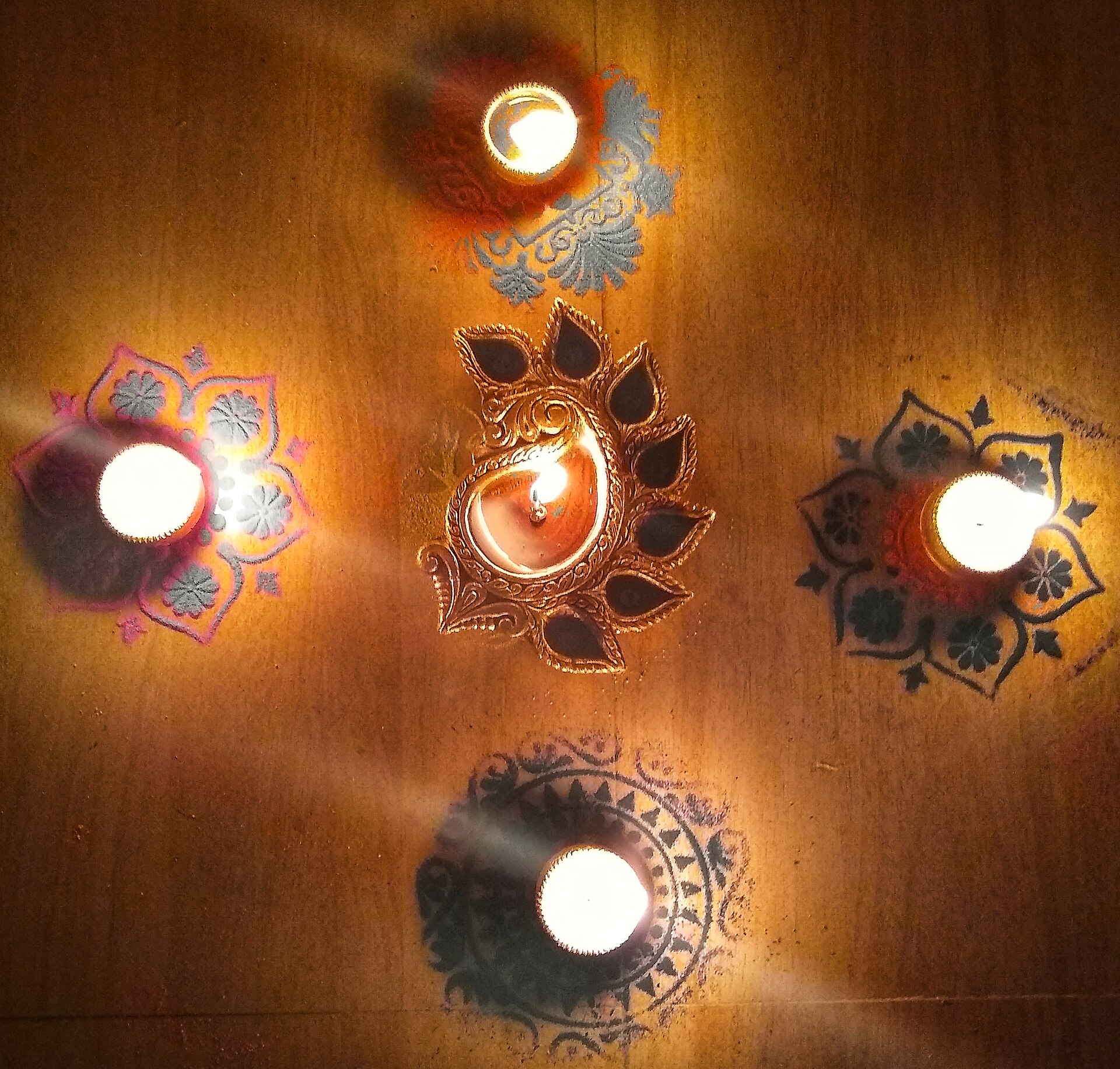
Because these days represent extremes of lunar energy, they often serve as the basis for significant spiritual observations. For instance, Buddha Purnima on 2026-05-01 and Guru Purnima on 2026-07-29 highlight the celebratory nature of the full moon. These cycles suggest that our internal moods may ebb and flow in harmony with the celestial light, though these effects vary for every individual.
Talk to an astrologer about what this means for your chart. First message free · ₹25/min
What Is the Significance of Purnima in Vedic Astrology?
In Vedic astrology, Purnima — the full moon — is significant because it marks the moment when the Moon reaches its peak luminosity, creating a direct opposition between the Sun and the Moon that can heighten emotions and spiritual receptivity. When this alignment appears in a birth chart, it often suggests a lifelong theme of balancing the soul's purpose (Sun) with the emotional needs of the mind (Moon). During a Purnima transit, this opposition can heighten emotions, as the lunar energy is at its strongest — a key reason why full moon effects in Vedic astrology receive so much attention.
Traditionally, this period is seen as a time of abundance and completion. Because the Moon governs the mind and fluids in the body, the full moon may lead to a feeling of emotional fullness or heightened sensitivity. This is why Purnima rituals and benefits are widely observed — fasting, charity, and beginning spiritual practices on these days are thought to help calm the mind and invite auspicious energy.
Important celebrations often align with this lunar phase, such as Buddha Purnima on 2026-05-01, Guru Purnima on 2026-07-29, and Raksha Bandhan on 2026-08-28. These dates are frequently used for rituals that aim to invite peace and prosperity. Rather than seeing these effects as fixed, it is more helpful to view them as general tendencies that may influence our mood and spiritual receptivity.
How Does Amavasya Affect Human Behavior and Emotions?
Amavasya may increase emotional sensitivity and encourage inward withdrawal, because in Vedic astrology the Moon governs the manas (the mind and emotional faculty) and its absence from the night sky is traditionally associated with a shift in mood and perception. The new moon astrology effects on mind are a recurring theme in traditional texts — during Amavasya, the Moon is not visible in the night sky, and this absence of lunar light is traditionally associated with a period where emotional sensitivity may increase.
Some people tend to experience a sense of restlessness or a natural inclination toward inward withdrawal during this time. You might find that your thoughts turn inward, making it a period where you feel more reflective or perhaps a bit more fragile than usual. How strongly any of this lands depends on your own chart, especially your natal Moon; you can ask our AI astrologer how a given Amavasya or Purnima falls on your Moon sign, or see the day's details on our panchang.
It is common to see Amavasya misinterpreted as a harmful or unlucky day, but the traditional view is far more nuanced. Rather than being a time of negativity, it is often seen as a sacred window for introspection. Instead of viewing the emotional dip as a problem, the tradition suggests using this energy for meditation and ancestral remembrance. By shifting the focus from external achievement to internal quiet, this phase can become a supportive time for mental cleansing and spiritual grounding.
Is Amavasya Considered Inauspicious in Vedic Astrology?
Amavasya is not considered inherently inauspicious in Vedic astrology; rather, this tithi (lunar day) is viewed more as a period of internalisation than a time of negativity, and is traditionally regarded as a powerful window for spiritual growth. While the absence of moonlight may be associated with a dip in outward energy, it is traditionally considered a powerful window for spiritual growth — a point well worth understanding when exploring the broader amavasya significance in hinduism.
The tradition highlights Amavasya as an ideal time for Pitru Tarpan, the practice of offering prayers and water to ancestors. Because the veil between the physical and ancestral realms is thought to be thinner, these rites may help in seeking blessings and resolving ancestral debts. Similarly, the quietude of the new moon can support deep meditation and introspection, as the mind tends to turn inward.
Certain activities are traditionally avoided on this day, though these are based on energetic tendencies rather than fixed rules. Starting a new business venture or signing important contracts may be deferred, as the lack of lunar light is associated with a lack of clarity or "darkness" in decision-making. Similarly, some families avoid hosting celebratory parties, preferring to keep the energy subdued and reflective. These practices are not about fear, but about aligning one's actions with the natural ebb and flow of lunar energy to better support mental peace.
What Should You Avoid Doing on Amavasya According to Vedic Tradition?
According to Vedic tradition, Amavasya is a day when major new ventures, outward celebrations, and auspicious travel are best avoided, as the low lunar light is thought to correlate with a dip in mental energy and momentum. Since the Moon governs the Manas, or the mind and emotions, this phase is traditionally associated with a dip in mental energy and vitality — and the new moon astrology effects on mind are taken seriously in classical texts. Because of this lunar ebb, classical texts often suggest a period of introspection rather than outward expansion.
Certain activities are traditionally avoided on this day to align with the natural flow of energy. Major new ventures, such as starting a business or signing important contracts, are often postponed, as the low lunar light is thought to correlate with a lack of initial momentum. Similarly, travel for auspicious ceremonies or the initiation of social celebrations may be avoided, as these events typically seek the supportive, growing energy of the waxing moon.
These guidelines are not intended to create fear, but rather to encourage a mindful approach to timing. Instead of launching something new, Amavasya is often viewed as an ideal time for quiet reflection, ancestral prayers, and internal cleansing. By shifting the focus from external achievement to internal stillness, one may find the day more supportive. Following these traditional tendencies allows for a rhythmic alignment with the lunar cycle, preparing the mind for the growth that follows as the moon begins to wax again.
Which Rituals Are Performed on Purnima and Amavasya?
On Purnima, rituals such as Satyanarayan Puja, river bathing, and fasting vows are commonly performed, while Amavasya is traditionally observed through Pitru Tarpan, Shradh rituals, charity, and quiet reflection — each set of practices shaped by the distinct energetic quality of its lunar phase. On Purnima (the full moon), the lunar energy reaches its peak, which traditionally correlates with an expansion of emotions. Many practitioners perform the Satyanarayan Puja, a prayer to Lord Vishnu, to express gratitude and seek harmony. The purnima amavasya fasting rules observed by many include keeping a Satyavrat (vow of truth) on Purnima, as these practices may help in balancing the heightened mental energy. River bathing is also a cherished tradition, intended to cleanse the aura and align the body with the lunar tide. Significant dates like Buddha Purnima on 2026-05-01 or Guru Purnima on 2026-07-29 highlight this connection between the full moon and spiritual enlightenment.
Conversely, Amavasya (the new moon) is a time of introspection and stillness. Since the moon is not visible, the mind tends to be more receptive to the subtle energies of the ancestors — a quality central to the amavasya significance in hinduism. This makes it an ideal period for Pitru Tarpan (offering water to ancestors) and Shradh rituals. These offerings can provide a sense of peace and closure for both the living and the departed. While some regional traditions view the new moon as a quiet time for internal reflection, others focus on charity and selfless service to mitigate any feelings of heaviness. These observances are not meant to fix a destiny but rather to provide a spiritual rhythm to our emotional lives.
What Are the Spiritual Benefits of Fasting on Purnima?
Fasting on Purnima is traditionally believed to support mental clarity, spiritual receptivity, and internal healing by helping to balance the heightened lunar energy that the Vedic tradition associates with the full moon. In the Vedic tradition, Purnima (the full moon) is seen as a time of peak lunar energy. Because the Moon governs the mind and emotions in Jyotish (Vedic astrology), this heightened energy can sometimes lead to restlessness or emotional intensity. Fasting is traditionally practised to balance these fluctuations, potentially aiding mental clarity and spiritual receptivity.
From an Ayurvedic perspective, the lunar cycle is thought to influence the fluids in the body and the digestive system. Fasting on Purnima may help in detoxifying the system, allowing the body to redirect energy from digestion toward internal healing and meditation.
The purnima amavasya fasting rules vary across traditions, but many practitioners avoid grains and legumes on these days. Instead, they may consume fruits, milk, or a few specific nuts. Some choose a complete fast, while others follow a partial one. This practice is often paired with mindfulness or prayer to align the inner self with the lunar rhythm.
The fast is typically broken after sunset or the following morning with a light, satvic (pure and balanced) meal. For those looking to observe these traditions in 2026, significant Purnima dates include Buddha Purnima on 2026-05-01, Guru Purnima on 2026-07-29, and Raksha Bandhan on 2026-08-28. These days are traditionally considered auspicious for spiritual growth and selfless service.
How Do Full Moon and New Moon Days Affect the Mind According to Vedic Thought?
According to Vedic thought, full moon days (Purnima) tend to amplify and externalise mental energy, while new moon days (Amavasya) are classically associated with quieter, more reflective states of mind. In Jyotish (Vedic astrology), the Moon represents the Manas, or the emotional mind. Because the Moon governs our perceptions and moods, its monthly cycle is traditionally seen as a mirror for our internal state. The shifting lunar phases in Vedic astrology carry meaning for how mental energy flows within us.
Purnima, the full moon, occurs when the Moon is opposite the Sun. This alignment is traditionally associated with an amplification of energy. The full moon effects in Vedic astrology suggest that mental energy tends to move outward, which can lead to heightened emotions, increased social vibrancy, or a feeling of fullness. Because the mind may feel more active or restless, this phase is often suggested for activities requiring visibility, celebration, and external action.
Conversely, Amavasya, the new moon, marks the conjunction of the Sun and Moon. During this time, the lunar light is absent, and the new moon astrology effects on mind are classically described as quieter and more reflective. One may feel a natural tendency toward solitude or introspection. For this reason, the tradition often suggests using Amavasya for meditation, ancestral offerings, and internal review rather than starting loud or public ventures.
By observing these tendencies, one may align their daily rhythm with the lunar cycle, choosing moments of outward expression during Purnima and periods of quiet contemplation during Amavasya.
Frequently Asked Questions
Does fasting on Amavasya carry the same benefits as fasting on Purnima?
In Jyotish tradition, these two days are associated with different energies, so their benefits may vary. Purnima, the full moon, is often linked to abundance and emotional fullness, while Amavasya, the new moon, is traditionally viewed as a time for ancestral honour and inner cleansing.
How does the Moon's position on Purnima influence a person's birth chart reading?
A person born on Purnima is traditionally thought to have a strong Moon, which may be associated with enhanced emotional intelligence or a nurturing nature. Vedic astrologers look at this placement as a tendency toward mental strength, though the final interpretation depends on the overall kundli (birth chart).
Which Purnima in the Hindu calendar is considered the most spiritually significant?
Several Purnimas hold deep significance, such as Buddha Purnima, which falls on 2026-05-01, and Guru Purnima on 2026-07-29. The significance often depends on the specific tradition or deity being honoured during that lunar phase.
Can Amavasya be a good day for meditation and inner practices?
Yes, Amavasya is traditionally considered an excellent time for meditation and introspection. Because the external light of the moon is absent, classical texts suggest this period may be more conducive to looking inward and practising spiritual discipline.
How do Vedic astrologers use lunar phases when advising on auspicious timings (Muhurta)?
Astrologers evaluate the tithi (lunar day) to determine if the energy aligns with the intended goal of an activity. For example, waxing phases are often associated with growth and new beginnings, while waning phases may be seen as more suitable for concluding tasks or performing cleansing rituals.
What is purnima and amavasya?
Purnima is the full moon — the 15th lunar day of the bright fortnight (Shukla Paksha) — when the Moon is fully illuminated. Amavasya is the new moon — the 15th lunar day of the dark fortnight (Krishna Paksha) — when the Moon is absent from the night sky. Together they mark the two poles of the Hindu lunisolar month and anchor the traditional Panchang calendar.
Full moon means purnima or amavasya? New moon means amavasya or purnima?
Full moon means Purnima. New moon means Amavasya. On Purnima the Sun and Moon are in direct opposition, giving the Moon its peak luminosity. On Amavasya the Moon is positioned near the Sun and is not visible in the night sky.
Is it good to be born on purnima?
In Vedic astrology, being born on Purnima is traditionally associated with heightened emotional sensitivity and spiritual receptivity, because the Moon is at full strength. The birth chart as a whole shapes how these tendencies express, so outcomes vary considerably from person to person.
Is amavasya dangerous?
Amavasya is not considered inherently dangerous or inauspicious in Vedic astrology. It is viewed as a period of internalisation — a powerful window for meditation, ancestral remembrance (Pitru Tarpan), and spiritual reflection. The tradition advises avoiding major new ventures on this day due to the association with low lunar energy and reduced mental clarity, but this is about alignment rather than fear.
What is the difference between amavasya and purnima?
Purnima is the full moon (maximum lunar light, heightened outward energy, associated with abundance and celebration), while Amavasya is the new moon (no lunar light, associated with inward energy, introspection, and ancestral rites). Purnima falls in Shukla Paksha; Amavasya falls in Krishna Paksha. Both are considered spiritually significant, but their energies and recommended practices differ.
What are amavasya effects on mind?
Because the Moon governs the Manas (mind and emotional faculty) in Vedic thought, the absence of moonlight on Amavasya is traditionally associated with increased emotional sensitivity, a tendency toward inward withdrawal, and a more reflective or introspective mood. Some people may feel restlessness or a sense of fragility. The classical view frames this not as a problem but as a natural invitation for meditation and mental cleansing. How strongly this manifests depends on your natal Moon placement.
What is the effect of purnima on human body?
Vedic tradition links the Moon to the mind and bodily fluids. On Purnima, when lunar energy is at its peak, there may be a tendency toward heightened emotional fullness, increased sensitivity, and a feeling of energetic intensity. These are understood as tendencies rather than certainties — individual experience varies based on one's natal chart and constitution.
What is the amavasya and purnima scientific reason?
Astronomically, Purnima occurs when the Earth is positioned between the Sun and Moon, allowing full solar reflection off the lunar surface. Amavasya occurs when the Moon is between the Earth and Sun, making it invisible at night. The Moon's gravitational pull influences ocean tides, and some researchers have explored whether it may affect human physiology and mood, though scientific consensus on direct behavioural effects remains inconclusive. Vedic astrology frames these influences as subtle energetic tendencies rather than proven causal mechanisms.
How Do Amavasya and Purnima Happen? The Astronomy Behind the Lunar Cycle
Purnima and Amavasya are determined by the angular relationship between the Sun, Earth, and Moon as the Moon completes its roughly 29.5-day orbit around the Earth.
Purnima (Full Moon): The Earth sits between the Sun and Moon. Sunlight falls directly on the Moon's face as seen from Earth, producing full illumination. In Vedic astrology this Sun–Moon opposition is associated with heightened emotional and spiritual energy.
Amavasya (New Moon): The Moon moves between the Earth and Sun. The sunlit side of the Moon faces away from Earth, so no lunar light reaches us at night. This is the astronomical basis for the traditional association of Amavasya with darkness, introspection, and a quieter mental state.
The Hindu lunisolar calendar tracks these phases precisely through the Panchang, dividing each month into two fortnights — Shukla Paksha (waxing, culminating in Purnima) and Krishna Paksha (waning, culminating in Amavasya). Each fortnight contains 15 tithis (lunar days), making Purnima the 15th tithi of Shukla Paksha and Amavasya the 15th tithi of Krishna Paksha.
Amavasya Bad Effects: What Tradition Actually Says
The phrase 'amavasya bad effects' is common in searches, but the traditional Vedic view is more nuanced than a simple good-or-bad framing.
What may be challenging on Amavasya:
- Emotional sensitivity may be heightened, making some people feel more fragile, restless, or withdrawn than usual.
- Mental clarity for outward decisions — starting a new business, signing contracts, or hosting celebrations — is traditionally considered lower, because the absence of lunar light is associated with reduced momentum and vitality.
- People with a prominently placed or afflicted Moon in their natal chart may feel these tendencies more acutely.
What tradition recommends instead:
- Pitru Tarpan (offering water and prayers to ancestors), meditation, fasting, and charitable acts are considered particularly effective on this day.
- The quietude of Amavasya can support deep introspection and spiritual grounding when approached consciously.
In short, Amavasya is not a day to fear. It is a day whose energy is better suited to inner work than outward expansion. Framing it as 'bad' misses the tradition's actual intent, which is alignment with natural lunar rhythms.
Images: Alokjain19883105 (CC BY-SA 4.0) via Wikimedia Commons, Sontush Sharmah (CC BY-SA 4.0) via Wikimedia Commons.
 Astrologger