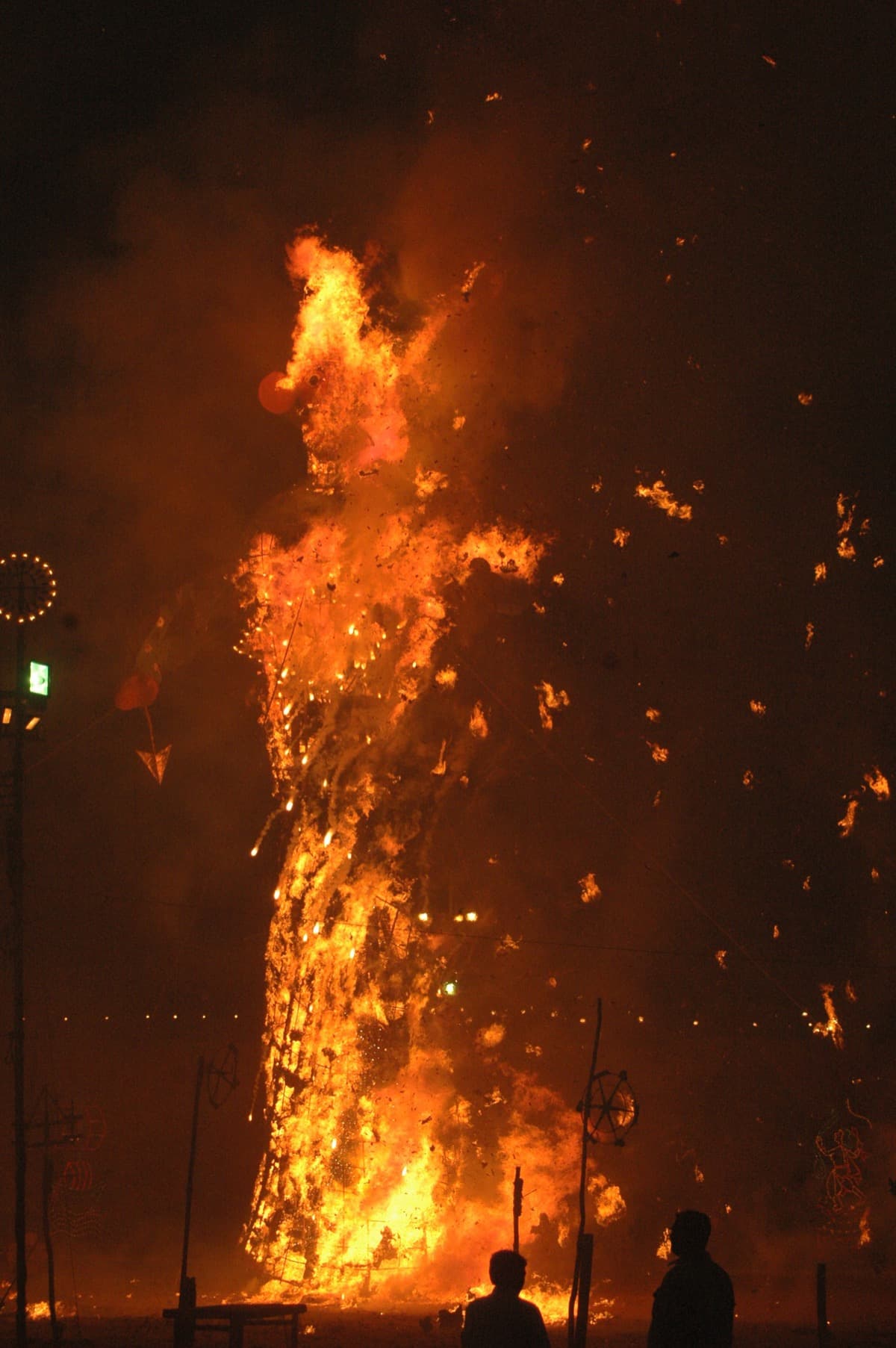
When is Maha Shivratri 2027? Date and Nishita Kaal Timings
Maha Shivratri 2027 falls on March 6, 2027. This sacred night is traditionally observed on the Chaturdashi tithi (the 14th lunar day) of the Krishna Paksha (waning phase of the moon) in the month of Phalguna.
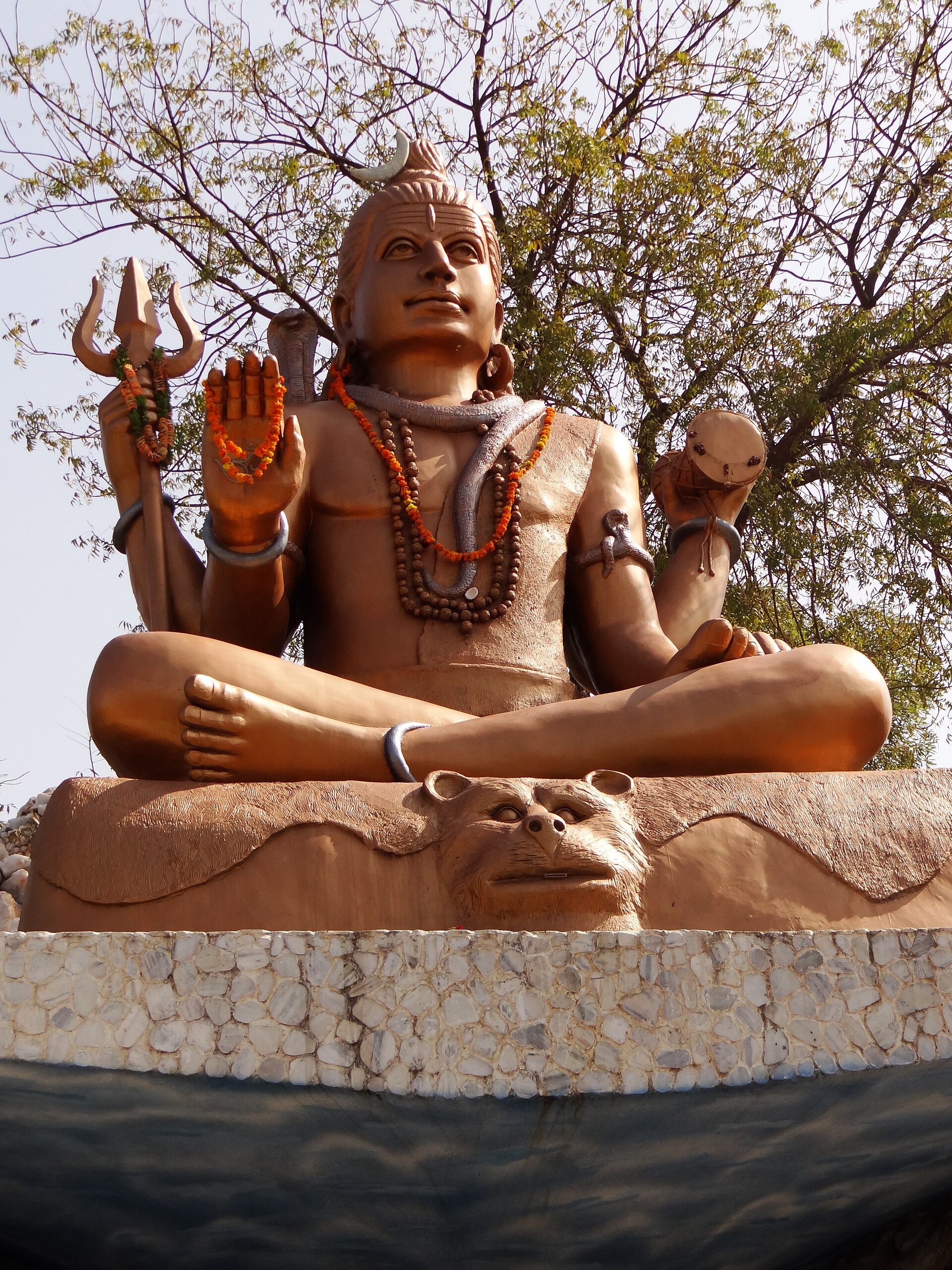
For those following different calendar systems, there can sometimes be confusion between the Purnimanta and Amanta traditions. The Purnimanta system, common in North India, counts the month from the full moon, while the Amanta system, prevalent in South India, counts from the new moon. Despite these different naming conventions for the month, the actual Maha Shivratri 2027 date and time remain the same across both schools.
The most spiritually potent window is the Nishita Kaal 2027, which is the midnight period of the Chaturdashi tithi. This specific timeframe is often regarded as the most auspicious for deep meditation and performing the Shiva Puja, as it represents the peak of the night's energy. While the exact start and end times of the tithi vary by location, the Nishita Kaal generally occurs around midnight. You can check the precise timings for your city using the panchang to ensure your rituals align with the lunar cycle. This alignment tends to create a supportive atmosphere for those seeking spiritual growth or inner peace.
Ask an AI astrologer about what this means for your chart. First 3 minutes free (once per account), then ₹10/min.
Astrological Alignments and Planetary Transits for March 2027
The astrological alignment for Maha Shivratri traditionally occurs on the Chaturdashi (14th day) of the Krishna Paksha (waning phase) in the month of Phalguna. This specific alignment creates a natural energetic surge that can support deep meditation and spiritual receptivity. In Vedic tradition, the night of Shivratri is considered a time when the planetary positions naturally align to facilitate the awakening of the Kundalini (dormant spiritual energy) within the spine.
The collective energy during this period often tends toward introspection. Because the Moon is in its waning phase, the mind may find it easier to let go of worldly attachments, making it a favorable time for those seeking mental clarity or emotional healing. Depending on your horoscope, the influence of this night can vary. For instance, those with Moon signs in water or earth elements may feel a stronger pull toward silent contemplation, while fire signs might experience a more intense drive for transformative rituals.
Practitioners often look to the specific Muhurta (auspicious timing), such as the four prahar puja timings, to align their prayers with their intentions. While the general energy supports spiritual growth, traditional texts suggest that focusing on the breath and chanting the Panchakshara Mantra can help synchronize individual energy with the cosmic flow. You can check the panchang today to observe how these celestial rhythms interact with your daily routine.
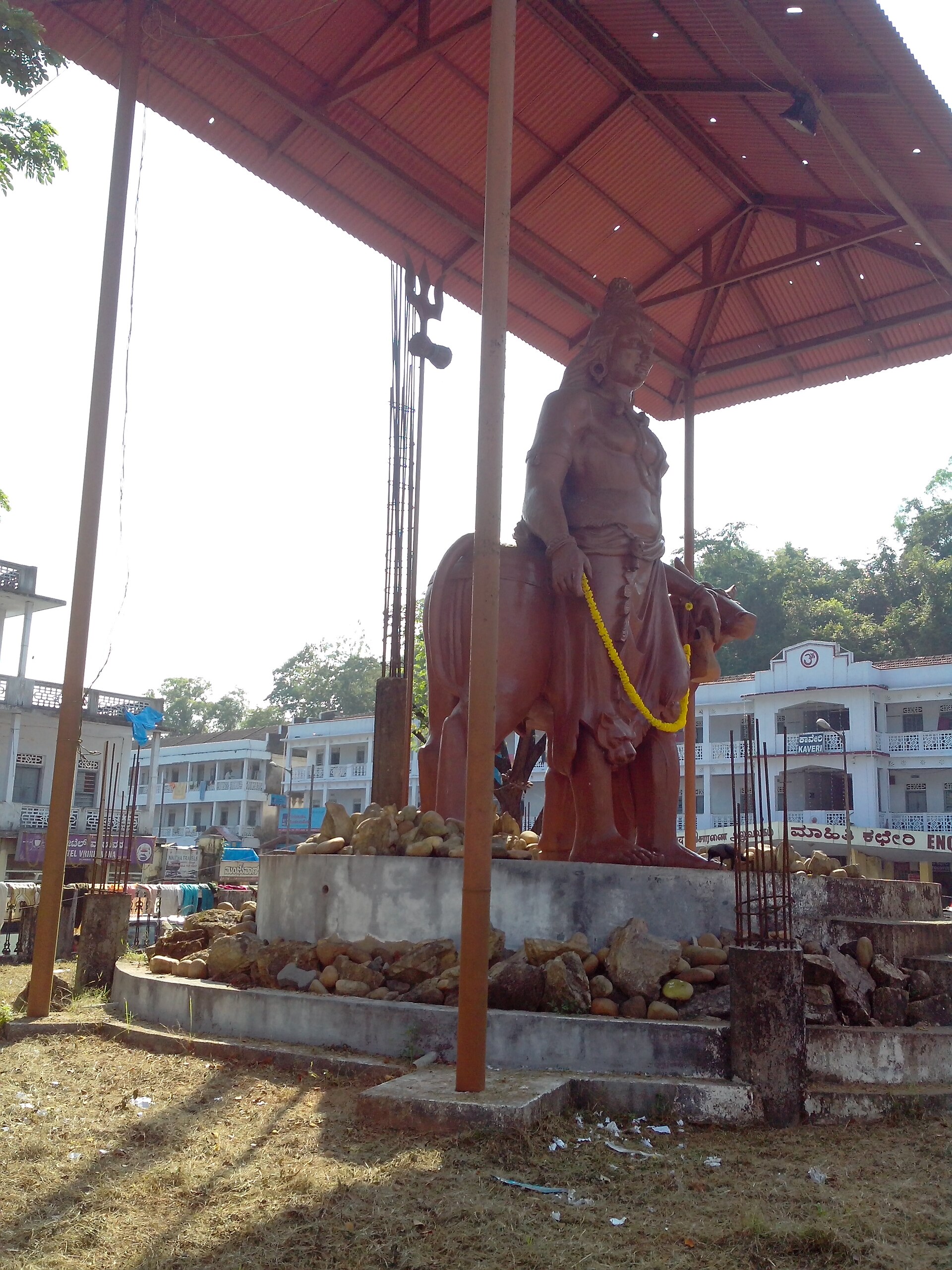
The Significance of the Great Night of Shiva
The Great Night of Shiva, known as Maha Shivaratri, is traditionally viewed as a profound night of spiritual awakening often linked to the Samudra Manthana, the churning of the cosmic ocean. According to mythology, as the gods and demons sought the nectar of immortality, a potent poison called Halahala emerged, threatening to consume all creation. Lord Shiva, in an act of supreme compassion, drank the poison to protect the universe. He held the toxin in his throat, which turned blue, earning him the name Nilakantha, the Blue-Throated One.
The essence of this festival lies in the practice of Jagaran, an all-night vigil. In the Jyotish tradition, the night of Shivaratri is considered a time when the planetary energies can align to support internal growth. Staying awake through the night is traditionally viewed as a way to overcome the inertia of the mind and body. By engaging in meditation and chanting, practitioners may find it easier to quiet the ego and connect with the consciousness of Shiva. This vigil is not seen as a chore but as a conscious effort to move from darkness to light, reflecting the broader spiritual purpose of dissolving ignorance to reveal the truth within.
Four Prahar Puja Timings and Rituals
Four Prahar Puja involves the traditional practice of dividing the night of Maha Shivratri into four three-hour segments to align energy with the stillness of the night. This rhythmic devotion allows practitioners to align their energy with the stillness of the night.
The Four Prahar Puja Timings
- First Prahar: Traditionally focuses on the bathing of the Shiva Lingam with milk and water.
- Second Prahar: Often involves offerings of honey, curd, and ghee.
- Third Prahar: Classical texts associate this time with the offering of sugarcane juice and pure water.
- Fourth Prahar: Generally concludes with the offering of Panchamrit (a mixture of five nectars) and the chanting of the Om Namah Shivaya mantra.
Abhishekam Materials
To prepare for the ritual, you may gather raw milk, honey, curd, ghee, sandalwood paste, Bel leaves (Bilva Patra), and fresh flowers.
Maha Shivratri Puja Vidhi (Step-by-Step)
- Purification: Begin by cleaning the altar area and lighting a ghee lamp.
- Sankalpa: State your intention for the night, focusing on spiritual growth or peace.
- Abhishekam: Perform the bathing rituals during each of the four prahar puja timings as listed above.
- Offerings: Place Bel leaves and white flowers on the Lingam.
- Meditation: Spend time in silence or chanting, which can help quiet the mind.
For those seeking specific timings based on their location, checking the panchang can provide precise local sunrise and sunset data to calculate the exact prahars.
Rashi-Based Rituals: Tailoring Your Maha Shivratri Puja Vidhi to Your Moon Sign
Tailoring your Maha Shivratri puja vidhi to your Rashi or Lagna (Ascendant) is a practice in Jyotish (Vedic astrology) suggested to help align personal energy with the spiritual vibrations of the night. While the energy of Maha Shivratri is universal, the Moon sign or Rashi represents the mind and emotional landscape.
For those with Moon signs in Fire signs (Aries, Leo, Sagittarius), focusing on cooling rituals may be beneficial. Offering chilled water or raw milk during the Abhishekam (ritual bathing of the Shiva Lingam) is traditionally associated with calming the inner fire and fostering mental clarity.
Earth signs (Taurus, Virgo, Capricorn) often find resonance in grounding practices. Offering Bel leaves (wood apple leaves) or sandalwood paste can be a way to connect with the stability and patience associated with Lord Shiva's meditative state.
Air signs (Gemini, Libra, Aquarius) may benefit from mantra-based meditation. Chanting the Panchakshari Mantra "Om Namah Shivaya" can help steady the mind, which tends to be active and multifaceted.
Water signs (Cancer, Scorpio, Pisces) often have a deep emotional connection to the divine. Offering honey or coconut water may align with their intuitive nature, helping to channel emotions into spiritual devotion.
Regardless of your sign, the intention remains the same. You can check your current planetary positions through your kundli to better understand your personal alignments for the year.
Siddha Muhurtas for Health, Wealth, and Spiritual Growth
Siddha Muhurtas are specific windows of time in Vedic tradition viewed as perfected timings where the cosmic environment tends to be more receptive to focused prayer for particular intentions. While many practitioners rely on the Abhijit Muhurta, these high-energy periods may align better with specific goals.
For those seeking spiritual growth and mental clarity, the Brahma Muhurta (the time of the creator) is traditionally considered the most potent. This window, occurring before sunrise, can be a powerful time for deep meditation and chanting, as the atmosphere often feels quieter and more conducive to inner stillness.
When the focus shifts to health and vitality, some look toward the Amrit Kaal. As the name suggests, this "nectar period" is often associated with healing and rejuvenation. Prayers offered during this time may feel more aligned with the energy of recovery and longevity. For intentions regarding wealth and material stability, aligning one's practice with the specific Nakshatra (lunar mansion) of the day can be helpful. Since the day is influenced by Uttara Phalguni, a star associated with patronage and benevolence, it can be a supportive time to pray for prosperity.
You can check the panchang today to see how these timings align with your local sunrise. Aligning your personal prayers with these windows is a traditional way to synchronize your internal energy with the broader cosmic flow.
Maha Shivratri Vrat Rules and Ayurvedic Fasting Tips
Maha Shivratri Vrat rules traditionally suggest a complete fast or a Phalahar (fruit-based diet) where grains and salt are avoided to maintain mental clarity. Following traditional Maha Shivratri vrat rules, classical traditions often suggest a complete fast or a Phalahar (fruit-based diet), where grains and salt are avoided to maintain mental clarity. Central to this observance is the Vrat Katha of Gurudruha, a traditional narrative that may inspire devotees to reflect on the nature of devotion and the removal of ignorance.
From an Ayurvedic perspective, fasting is not a one-size-fits-all practice. Since every individual has a unique Prakriti (constitution), the approach to the fast can vary. For those with medical conditions such as diabetes or hypertension, Ayurveda suggests modifications to prevent imbalances. Instead of a total fast, one may opt for a "sattvic" diet consisting of light, hydrating foods like coconut water, fresh fruits, and steamed vegetables.
Those who feel physically weak can incorporate milk or nuts to maintain energy levels. The goal is to sustain the body while calming the senses, ensuring that the fast supports health rather than compromising it. By listening to the body's needs, the practitioner can focus on the meditative aspects of the night. For those tracking their daily spiritual timings, the panchang can provide further guidance on auspicious windows for prayer.
Setting Up Your Home Altar and Maha Shivratri Puja Vidhi According to Vastu Shastra
According to Vastu Shastra, the North-East corner of the home, known as the Ishanya corner, is traditionally considered the most auspicious placement for a Maha Shivratri puja altar. According to Vastu Shastra, the traditional Indian science of architecture, the North-East corner of the home, known as the Ishanya corner, is traditionally considered the most auspicious placement for a puja altar (prayer space). This direction is associated with the element of water and the presence of the divine, which may help in fostering a sense of peace and spiritual clarity.
For the 2027 planetary alignment, you can orient your altar so that you face East or North while meditating. Facing East is often linked to the rising sun and new beginnings, while facing North can be associated with the direction of liberation and spiritual growth.
To set up your space and follow a simple Maha Shivratri puja vidhi, start by cleaning the area thoroughly. Place a clean cloth, preferably in a neutral or white shade, on a raised wooden platform. Position the Shiva Lingam or an image of Lord Shiva in the centre. You may place a small kalash (copper pot) filled with water to the right of the deity, as this is often seen as a way to invite positive vibrations. Lighting a ghee lamp in the South-East corner of the altar can traditionally help balance the energy of the space. These practices are suggested as traditional ways to enhance your focus during the night of devotion.
Frequently Asked Questions
What should be offered on the Shivling during Maha Shivratri?
In Jyotish and Vedic traditions, offerings such as Bilva leaves, raw milk, honey, and water are commonly used during the puja. These offerings are traditionally associated with cooling the energy of Lord Shiva and expressing devotion. Devotees may also offer sandalwood paste or white flowers as part of their practice.
Why is Maha Shivratri celebrated on different dates in the US and India?
The variation in dates usually occurs because Hindu festivals are based on the lunar calendar, and the tithi (lunar day) may fall on different calendar dates depending on the time zone. Since the US and India have a significant time difference, the start and end of a tithi may span across two different dates.
How to perform Maha Shivratri puja at home?
A simple home puja traditionally begins with cleaning the space and placing a Shivling or a picture of Lord Shiva. Devotees may perform Abhishekam (ritual bathing) with water or milk and chant the Om Namah Shivaya mantra. Many practitioners also observe a fast or meditate throughout the night to align with the spiritual energy of the day.
What are the Masik Shivratri 2027 dates?
The provided authoritative data lists the major Maha Shivratri on 2027-03-06, but it does not include the specific dates for the Masik (monthly) Shivratris. These dates are typically calculated based on the Chaturdashi tithi of every lunar month.
Can people with medical conditions observe the Maha Shivratri vrat?
While the vrat (fast) is a traditional practice, it is generally suggested that those with medical conditions prioritise their health and consult a healthcare professional. In many traditions, modified fasting or a fruit-based diet may be adopted to maintain well-being while still honouring the spiritual significance of the day.
Which color is considered auspicious to wear on Maha Shivratri?
White is the colour most commonly associated with Maha Shivratri, echoing Lord Shiva's ash-covered, ascetic form and symbolising purity and detachment. Some traditions also favour blue, linked to Shiva's throat and his epithet Neelakantha. There is no single fixed rule across every region or lineage, so local family and temple customs are worth following over any universal claim.
Images: Yash Y. Vadiwala (CC BY-SA 3.0) via Wikimedia Commons, Mallikarjunasj (CC BY-SA 4.0) via Wikimedia Commons.
 Astrologger