When Is Dussehra 2026? Date and Tithi Confirmed
Dussehra 2026 falls on Tuesday, 20 October 2026, observed when the Dashami tithi (the tenth lunar day) prevails in the Vedic calendar. Also known as Vijayadashami, this significant day celebrates the victory of light over darkness and righteousness over ego. Dussehra also opens the autumn festival season that leads into Dhanteras on 6 November and Diwali Lakshmi Puja on 8 November.
Dussehra 2026: Key Timings & Muhurat
| Event | Date | Time (IST, New Delhi) |
|---|
| Vijayadashami (Dussehra) | Tuesday, 20 October 2026 | — |
| Vijay Muhurat | 20 October 2026 | 01:59 PM – 02:44 PM |
| Aparahna Puja Time | 20 October 2026 | 01:13 PM – 03:30 PM |
| Dashami Tithi begins | 20 October 2026 | 12:50 PM |
| Dashami Tithi ends | 21 October 2026 | 02:11 PM |
Timings are for New Delhi and shift by a few minutes in other cities — confirm against your local panchang.
While the specific tithi timings can vary slightly by location, the primary observation for the majority of the community remains 20 October. This day traditionally marks the culmination of the Sharad Navratri period. For those following the panchang, aligning your prayers with the precise start and end of the Dashami tithi can help in planning your rituals.
Vijayadashami is often viewed as one of the most auspicious days of the year. Classical texts associate this time with the beginning of new ventures, as it tends to be a favorable window for starting a business or making a significant purchase, such as a new home or vehicle. Many families perform the Aparajita puja to seek strength and success. Since the energy of this day is traditionally linked to victory, it can be a wonderful time to reflect on personal growth and let go of old habits that no longer serve you. You may find it helpful to check your horoscope to see how the general planetary tendencies of the season align with your moon sign.
Talk to an astrologer about your current dasha period. First message free · ₹25/min
Shubh Muhurat for Vijayadashami 2026: Best Times for Puja
The shubh muhurat for Vijayadashami 2026 is determined by analyzing the Panchang, the traditional Vedic almanac, which identifies auspicious windows by observing five key astronomical elements: Tithi (lunar day), Vara (weekday), Nakshatra (constellation), Yoga, and Karana. By aligning these factors, practitioners seek windows where the cosmic energy tends to support new beginnings and victory.
For those observing the festivities on 20 October 2026, the following windows are noted as a general guide for vijayadashami 2026 puja time (New Delhi):
- Vijay Muhurat: The most important window of the day — 01:59 PM to 02:44 PM (duration ~46 minutes). This "moment of victory" is the traditional time for Vijayadashami puja, Shastra Puja and starting new ventures.
- Aparahna Puja Time: The broader afternoon window for the rituals, 01:13 PM to 03:30 PM.
- Dashami Tithi: Begins 12:50 PM on 20 October and ends 02:11 PM on 21 October 2026.
When planning your rituals, you may wish to avoid Rahu Kaal — check the panchang for the exact window in your city, as it shifts with local sunrise. These timings are for New Delhi and vary slightly elsewhere. For a more tailored view of your day, you can check your kundli to see how these planetary alignments interact with your birth chart.
Aparajita Puja Muhurat 2026: Timing and Procedure
The Aparajita Puja on Dussehra 2026 (20 October) is traditionally performed during the Vijay Muhurat — a window of victory that often falls in the afternoon or evening — making the search for the right dussehra shubh muhurat 2026 central to many devotees' preparations. Performing the rituals during this specific window tends to align the practitioner with the energy of success and resilience.
The procedure usually begins with the installation of an image or symbol of Goddess Aparajita. Devotees often offer red flowers, incense, and sweets. A key tradition involves the worship of weapons or tools of one's trade—known as Shastra Puja—as a way to express gratitude for the means of livelihood and protection. Many families also offer prayers for the removal of obstacles and the strength to overcome inner conflicts.
For those seeking the most precise timings for their specific location, checking a panchang can provide the exact local window for the Aparajita Puja. This ritual can be a gentle way to invite positive energy into the home. While these practices are rooted in deep tradition, the spiritual benefit often depends on the sincerity of the devotee's heart. For a deeper look at how current planetary positions may influence your personal journey, you can explore your kundli.
Which Nakshatra Governs Dussehra 2026 and Why It Matters
According to tradition, Vijayadashami is classically associated with the Shravana nakshatra — and in the Vedic tradition, the Nakshatra active during Vijayadashami can meaningfully shape which window is considered most auspicious for those researching the vijayadashami 2026 puja time. While each year brings a different lunar alignment, the spirit of Dussehra is traditionally tied to the concept of "Siddhi," or attainment, making any Nakshatra that promotes victory and resolution highly valued.
Classical texts often associate the auspiciousness of this day with the ability to overcome obstacles. While Shravana nakshatra is frequently celebrated in broader Vedic contexts for its link to learning and listening, the specific energy of the day depends on the alignment of the Tithi (lunar day) and the Nakshatra. When these elements harmonize, the day tends to be viewed as a "Siddha" moment, where new ventures, such as the purchase of a vehicle or the start of a business, may find a supportive cosmic environment.
For many, this alignment suggests a period where focused intention can lead to success. This is why Vijayadashami is often considered one of the most powerful days for Aparajita puja (prayer to the undefeated goddess), as the celestial energies are believed to favor those seeking triumph over internal or external conflicts. You can check your personal horoscope to see how these general tendencies may interact with your own birth chart.
Why Is Vijayadashami Considered the Most Auspicious Day in Vedic Astrology?
Vijayadashami is considered the most auspicious day in Vedic astrology because classical tradition classifies it as a Sarvottam Muhurat—a day of supreme auspiciousness whose inherent spiritual potency is said to naturally support new beginnings without requiring the careful avoidance of unfavorable timings. Unlike many other dates that require a careful check of the Panchang to avoid unfavorable timings, this day is traditionally seen as naturally potent for new beginnings. For those planning around the vijayadashami 2026 date and muhurat, this inherent quality of the day is especially relevant.
One of the primary reasons for this status is the inherent strength of the day, which often transcends the need for complex calculations. Classical texts suggest that the spiritual energy of the day can neutralize many common inauspicious yogas (planetary combinations). This makes it a popular choice for Vidyarambham (starting education) or the purchase of a new vehicle or property, as the day tends to support success and victory.
A key highlight is the Abhijit Muhurat, a brief window around midday. This period is traditionally viewed as one of the most powerful moments of the day, capable of overcoming obstacles. While no single moment can promise a specific result, the alignment of energies on Vijayadashami often creates a supportive atmosphere for those starting a venture. By aligning actions with these traditional timings, practitioners seek to harmonize their efforts with the cosmic flow, though outcomes always depend on individual karma and personal charts.
Astrological Significance of Dussehra: Planetary Context for 2026
Dussehra 2026 carries notable astrological significance because it falls on Tuesday, 20 October 2026, on the Dashami Tithi (the tenth lunar day of the bright fortnight of Ashwin). The day is traditionally associated with the Shravana Nakshatra — the classical Vijayadashami connection — and with the triumph of righteousness, which is why it is regarded as a preferred time for starting new ventures or performing Shastra Puja (worship of tools and knowledge). Traditionally, this day also marks the culmination of Navratri, where the energy of the Divine Feminine aligns to overcome obstacles.
For those asking dussehra 2026 kab hai, the Panchang confirms that Dussehra falls on Tuesday, 20 October 2026, with the Dashami tithi running from 12:50 PM on 20 October to 02:11 PM on 21 October. The Vijay Muhurat (01:59 PM to 02:44 PM) is the traditional high point of the day. As always, the exact nakshatra and planetary positions for your city and moment are best confirmed against a current panchang.
Because it falls on a Tuesday, a day traditionally ruled by Mars, there is a tendency toward courage, energy, and decisive action — fitting for a festival that celebrates victory. Many people find this an auspicious window to buy a car or begin a new venture, as the combination of Mars's energising influence and the festival's inherent Vijaya ("victory") spirit can support bold beginnings. These planetary alignments suggest a period where mindful action and discipline may lead to a sense of personal victory.
Rituals Performed on Dussehra 2026 and Their Vedic Rationale
Observed on 20 October, Dussehra 2026 is traditionally marked through rituals such as Shastra Puja, Shami tree worship, and Ravan Dahan, each rooted in Vedic reasoning that links personal action to cosmic alignment. The rituals performed on this day often reflect a desire to align one's personal energy with the cosmic flow of success.
Shastra Puja, the worship of tools and instruments, is a central practice. Whether it is a pen, a laptop, or machinery, this ritual acknowledges that our means of livelihood are gifts from the divine. From a Vedic perspective, honoring these tools may help a person cultivate a mindful and disciplined approach to their professional life.
Many families also observe the worship of the Shami tree. Classical texts associate the Shami tree with protection and the removal of obstacles, making it a symbolic point of focus for seeking stability. Similarly, Ravan Dahan, the burning of the effigy of the demon king, serves as a psychological and spiritual reminder to release internal vices like ego and anger.
Because Vijayadashami is considered one of the most powerful days in the Panchang, it is often chosen for initiating new ventures. For those mindful of the Dussehra shubh muhurat 2026, starting a business or making a significant purchase — such as a car or property — on this day can traditionally align the endeavor with the energy of triumph. These practices are tendencies rooted in tradition, offering a way for seekers to invite positive momentum into their lives.
Dussehra 2026 Regional Names and Observances Across India
Celebrated on 20 October, Dussehra 2026 is known by different regional names across India — including Dasara in Karnataka and parts of Maharashtra, and Bijoya Dashami in West Bengal and East India — though the underlying spiritual essence of the festival traditionally remains the same. While the date is consistent, the regional names and customs vary. In Karnataka and parts of Maharashtra, the festival is often called Dasara 2026. In Mysore, this is traditionally marked by a grand procession, where the victory of good over evil is celebrated with royal heritage and devotion.
In West Bengal and East India, the day marks the culmination of Sharad Navratri (the autumn nine-night festival). Here, it is observed as Bijoya Dashami, the day Goddess Durga returns to her celestial abode. The atmosphere tends to be one of bittersweet farewell and communal harmony, as people embrace and exchange sweets.
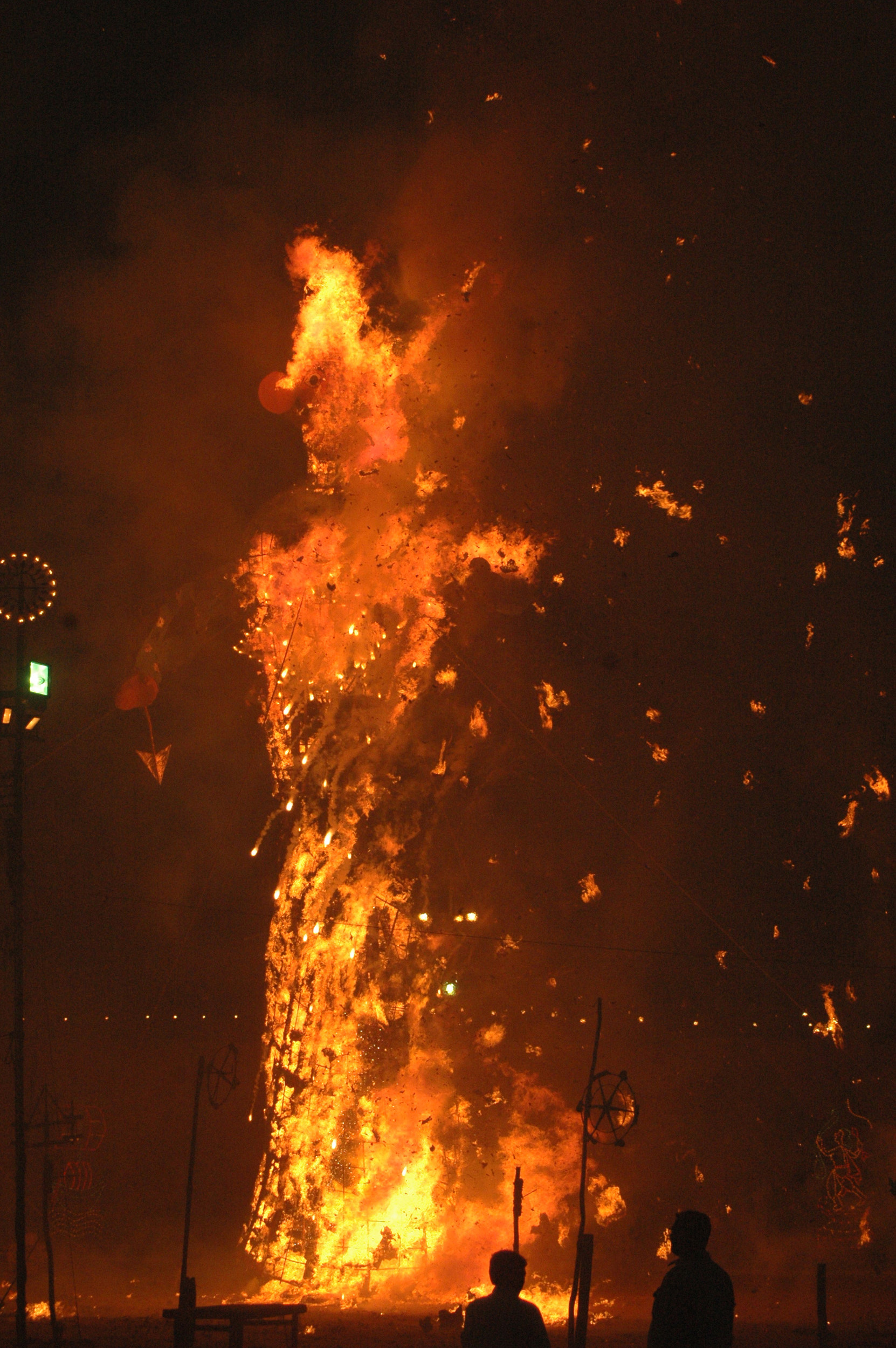
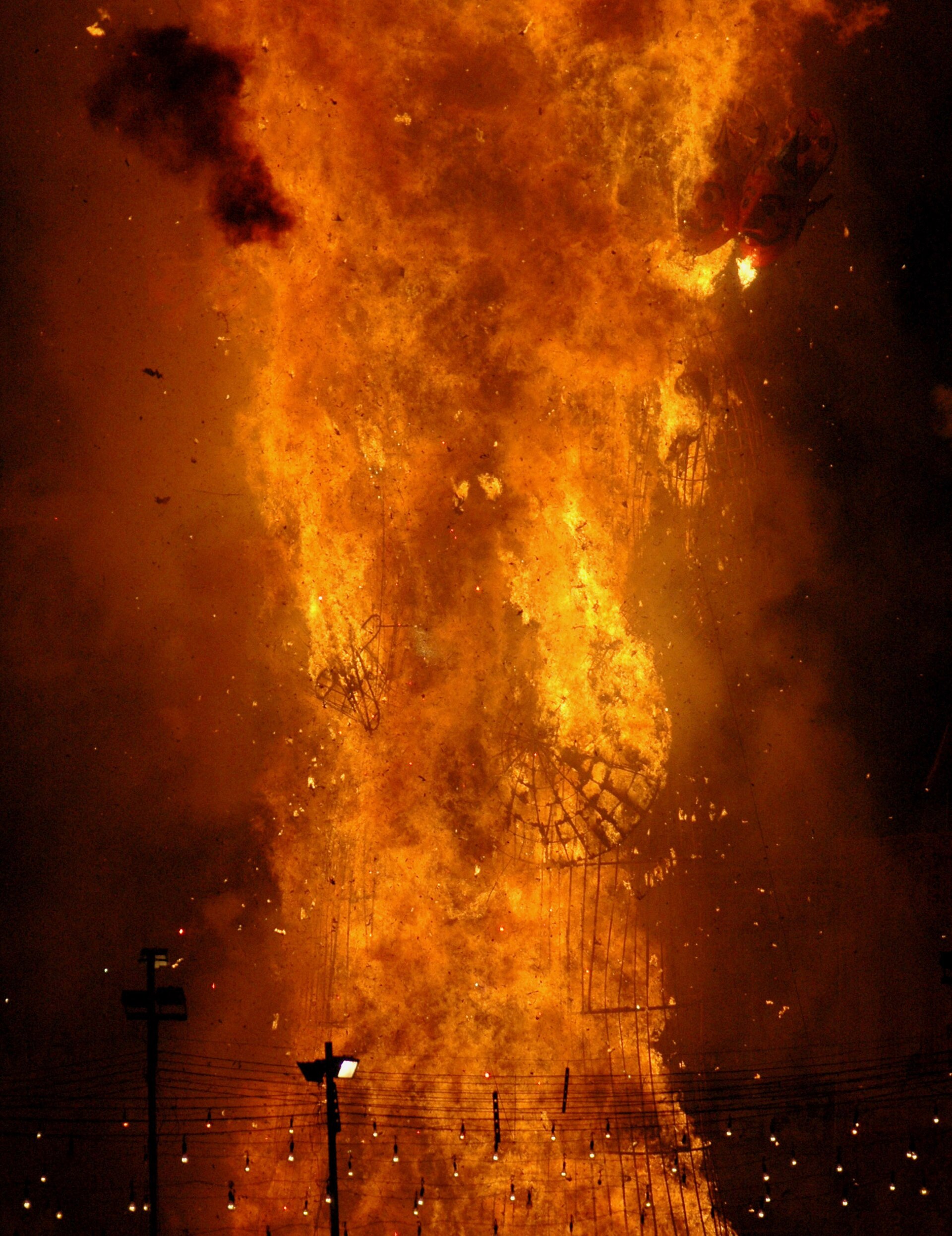
In Northern and Western India, the focus often rests on the victory of Lord Rama over Ravana. This is typically observed through the burning of large effigies, symbolising the destruction of ego and negativity.
Depending on the local panchang calculations and regional customs, the exact Vijayadashami 2026 puja time for specific rituals may vary slightly across different states. Whether it is called Vijayadashami (the tenth day of victory) or Dasara, the day is traditionally considered an auspicious time to begin new ventures or seek blessings for success.
Frequently Asked Questions
Dussehra 2026 mein kab hai?
Dussehra, also known as Vijayadashami, falls on 20 October 2026. This major festival celebrates the victory of good over evil according to the Hindu calendar.
What is the Vijay Muhurat time on Vijayadashami 2026?
The specific Vijay Muhurat timings for 20 October 2026 are not provided in the current dataset. Traditionally, this auspicious window is calculated based on the day's planetary positions to determine the best time for victory and success.
What time does the Aparajita puja muhurat fall on Dussehra 2026?
The exact timing for Aparajita puja on 20 October 2026 is not listed in the provided panchang data. In Jyotish tradition, this puja is typically performed during a specific shubh muhurat to seek the blessings of the Goddess for success.
Is Dussehra 2026 a good day to start a new business or venture?
Dussehra is traditionally considered a highly auspicious day for new beginnings, including business ventures. While it tends to be a favorable time for growth, individuals often consult their personal kundli (birth chart) to see if the day aligns with their specific planetary periods.
How is the shubh muhurat for Dussehra calculated in the Vedic panchang?
A shubh muhurat is calculated using the Panchang, the traditional Vedic almanac that records five key elements: Tithi, Vara, Nakshatra, Yoga, and Karana. By analyzing these parameters, astrologers identify windows of time that are traditionally associated with positive energy and success.
What is the difference between Dussehra and Vijayadashami?
Dussehra and Vijayadashami are essentially the same festival, though the names highlight different traditions. Dussehra often refers to the celebration of Lord Rama's victory over Ravana, while Vijayadashami focuses on Goddess Durga's victory over the buffalo demon Mahishasura.
When does Dussehra (Dasara) start in 2026 — what is the 1st day?
Dussehra 2026 begins on Tuesday, 20 October 2026. This day, also called Vijayadashami, is observed when the Dashami tithi (tenth lunar day) of Shukla Paksha in Ashwin month prevails. It marks the culmination of Sharad Navratri and is traditionally considered the most auspicious single day of the festive season.
What is the start and end date of Dasara 2026?
Dasara 2026 culminates on 20 October 2026 (Vijayadashami). The ten-day festive period begins with Navratri on 11 October 2026 and concludes with Dussehra on 20 October 2026. For precise tithi start and end times at your location, confirm with a current panchang.
Which month is the Dussehra festival in 2026?
Dussehra 2026 falls in October — specifically on Tuesday, 20 October 2026. In the Hindu lunar calendar, this corresponds to the Ashwin month (Shukla Dashami).
Dussehra kab hai 2026 mein? (When is Dussehra in 2026?)
2026 mein Dussehra (Vijayadashami) 20 October, Tuesday ko hai. Yeh din Ashwin Shukla Dashami tithi par manaya jata hai aur Sharad Navratri ke samapan ka din hota hai.
What is the date and time of Dussehra 2026?
Dussehra 2026 is on 20 October 2026 (Tuesday). The key window is the Vijay Muhurat from 01:59 PM to 02:44 PM (New Delhi), with the broader Aparahna puja time from 01:13 PM to 03:30 PM. The Dashami tithi runs from 12:50 PM on 20 October to 02:11 PM on 21 October. Avoid Rahu Kaal — check a local panchang for the exact window in your city, as it varies with local sunrise.
What are the 10 days of Dussehra 2026 with dates?
The ten-day Navratri-to-Dussehra period in 2026 runs from 11 October (Pratipada, Day 1 of Navratri) through 20 October (Dashami, Vijayadashami/Dussehra). Each day corresponds to one tithi of Shukla Paksha in Ashwin. Exact day-by-day timings can vary by location, so a current panchang is the most reliable source for precise tithi transitions.
Vijayadashami 2026 mein kab hai?
Vijayadashami 2026, 20 October ko hai — yeh Dussehra ka hi doosra naam hai. Is din Aparajita Puja aur Shastra Puja ki parampara hai, aur naye kaam shuru karne ke liye ise Sarvottam Muhurat mana jata hai.
Is Dussehra 2026 on a good day astrologically?
Classical Vedic tradition classifies Vijayadashami as a Sarvottam Muhurat — a day of inherent auspiciousness that may support new beginnings, purchases, and ventures without the need for additional muhurat checks. The day falls on Ashwin Shukla Dashami and is traditionally associated with the Shravana nakshatra. These are traditional tendencies; the exact nakshatra and planetary positions for your city are best confirmed against a current panchang.
Dussehra 2026 Starting Date at a Glance
| Detail | Information |
|---|
| Festival Name | Dussehra / Vijayadashami / Dasara |
| 1st Day of Dussehra 2026 | Tuesday, 20 October 2026 |
| Navratri Start (Day 1) | 11 October 2026 |
| Tithi | Ashwin Shukla Dashami (20 Oct 12:50 PM → 21 Oct 02:11 PM) |
| Vijay Muhurat | 01:59 PM – 02:44 PM (New Delhi) |
| Aparahna Puja | 01:13 PM – 03:30 PM |
| Nakshatra | Shravana (traditional Vijayadashami association) |
Dussehra is a single-day observance — Vijayadashami itself — falling on the tenth day after Navratri begins. The nine nights of Navratri (11–19 October) lead directly into Dussehra on 20 October, making that the effective "start and end" of Dussehra proper.
Images: Ministry of Tourism (GODL-India) via Wikimedia Commons, Ministry of Culture (GODL-India) via Wikimedia Commons.
 Astrologger