What Is the Auspicious Time for Lakshmi Puja on Diwali 2026?
The auspicious time for Lakshmi Puja on Diwali 2026 is the evening of Sunday, 8 November. For New Delhi and much of North India, the Lakshmi Puja Muhurat runs from about 5:54 PM to 7:50 PM IST (roughly 1 hour 56 minutes) — the optimal Vrishabha Kaal window inside the broader Pradosh Kaal (about 5:31 PM to 8:09 PM), the period after sunset that Vedic tradition regards as a time of high spiritual energy. These timings shift by 10–20 minutes between cities, so confirm your local window with the panchang. The date marks the Kartik Amavasya (new moon) tithi — which in 2026 runs from 11:27 AM on 8 November to 12:31 PM on 9 November — traditionally considered the most potent time to invite Goddess Lakshmi into the home. Diwali follows Dhanteras on 6 November and is itself followed by Govardhan Puja and Bhai Dooj on 10–11 November.
Diwali 2026: Key Timings & Muhurat
| Event | Date | Time (IST, New Delhi) |
|---|
| Diwali (Lakshmi Puja) | Sunday, 8 November 2026 | — |
| Lakshmi Puja Muhurat | 8 November 2026 | 5:54 PM – 7:50 PM |
| Pradosh Kaal | 8 November 2026 | 5:31 PM – 8:09 PM |
| Sunset | 8 November 2026 | 5:31 PM |
| Amavasya Tithi begins | 8 November 2026 | 11:27 AM |
| Amavasya Tithi ends | 9 November 2026 | 12:31 PM |
Timings are for New Delhi and shift by 10–20 minutes between cities — confirm against your local panchang.
While specific local timings can vary slightly based on your city's coordinates, performing the puja during this period tends to align with the classical Vedic tradition of welcoming prosperity during the transition from day to night.
In Vedic astrology, choosing a specific muhurat is less about a rigid deadline and more about aligning your intentions with the cosmic flow. If you happen to miss the primary window, remember that devotion and a clean, peaceful environment are often seen as the most important elements. The ritual can still be performed with a sincere heart, as the essence of the festival lies in the purity of one's prayers and the warmth of the family gathering.
Talk to an astrologer about your prayers and remedies. First message free · ₹25/min
When Is Diwali 2026 and Which Tithi Does It Fall On?
Diwali 2026 falls on 8 November, coinciding with the Amavasya tithi — the new moon day of the month of Kartik. In Vedic astrology, Amavasya is a time of deep introspection and spiritual stillness, which often makes it a powerful moment to invite the grace of Goddess Lakshmi into the home.
It is helpful to understand that a tithi, or lunar day, does not always align perfectly with a 24-hour solar day. A tithi is determined by the longitudinal angle between the Sun and the Moon. Because these celestial bodies move at different speeds, a tithi can begin or end at any moment of the day or night. Understanding this helps clarify why the diwali muhurat 2026 is identified by watching the precise movement of the Amavasya tithi rather than simply marking a date on a Gregorian calendar.
This fluidity is why the calendar date for Diwali can occasionally shift. If the Amavasya tithi prevails during the auspicious window of the evening or sunrise, that specific date is chosen for the celebration. This astronomical dance means the festival may fall on different dates across various years, reflecting the natural rhythm of the cosmos rather than a fixed Gregorian schedule. Following these timings tends to align personal energy with the broader cosmic flow.
What Is Pradosh Kaal and Why Is It the Preferred Window for Diwali Puja?
Pradosh Kaal is the twilight period in Vedic tradition that begins immediately after sunset and typically lasts for about two and a half hours. It is preferred for Diwali puja because the transition from day to night is believed to create a subtle energy shift that can make the mind more receptive to divine grace. This window is often regarded as a highly potent time for spiritual practice.
For Diwali, this timing is particularly cherished. Classical texts associate this period with the arrival of Goddess Lakshmi, the deity of prosperity and abundance. Performing the puja during Pradosh Kaal tends to align the practitioner with the natural rhythms of the cosmos, which may help in inviting positive vibrations and auspiciousness into the home.
For Diwali 2026 in New Delhi, sunset falls at about 5:31 PM IST, and the Pradosh Kaal — often considered the best time for Lakshmi Puja — runs from roughly 5:31 PM to 8:09 PM, with the optimal muhurat inside it from about 5:54 PM to 7:50 PM. The overall Panchang, the traditional Vedic almanac, provides various markers for the day, yet this evening window is preferred because it is seen as a moment of openness and welcome. Because these timings are computed from your local sunrise, sunset and the Moon's position, the exact window shifts slightly by city — check your own coordinates for a precise time.
Why Does Amavasya Tithi Matter for Lakshmi Puja?
Amavasya Tithi, the new moon lunar day, matters for Lakshmi puja because traditional Vedic wisdom regards its natural darkness as a sacred canvas that makes the act of lighting lamps and inviting Goddess Lakshmi especially meaningful and symbolically potent. In Vedic astrology, the Tithi (lunar day) serves as a primary pillar of the Panchang, the traditional almanac used to find auspicious moments, and for Diwali, the focus falls squarely on this Amavasya.
The darkness of Amavasya is symbolically aligned with the act of inviting Goddess Lakshmi, the deity of prosperity, into the home. By lighting diyas (oil lamps) when the night is at its darkest, devotees traditionally express the desire to bring divine light and abundance into their lives. This contrast between the natural darkness of the moon and the man-made light of the lamps can represent the journey from ignorance to knowledge.
Astrologically, this specific Tithi tends to create a receptive energy. Because the moon is not reflecting the sun's light, the mind may be more prone to introspection and spiritual openness. Situating the Lakshmi puja muhurat for Diwali 2026 within the context of Amavasya helps practitioners focus their intentions on stability and grace. While these alignments can enhance the spiritual atmosphere of the ritual, the beauty of the practice lies in the devotion and the intention behind the light.
How Is the Diwali Lakshmi Puja Muhurat Calculated in Vedic Astrology?
The Diwali Lakshmi Puja muhurat is calculated in Vedic astrology through a careful study of the Panchang, the traditional Vedic almanac, which examines five key limbs, or elements, to find a window where cosmic energies tend to align favorably.
First, the Tithi (lunar day) is analyzed, as the Amavasya (new moon) is traditionally central to Diwali. This is paired with the Vara (day of the week), the Nakshatra (lunar mansion), the Yoga (a specific solar-lunar relationship), and the Karana (half of a tithi). When these five elements harmonize, they can create a supportive atmosphere for spiritual practice.
Beyond the Panchang, practitioners often look for the Vrishabha (Taurus) lagna, or ascending sign. In Vedic astrology, Taurus is associated with abundance, stability, and Goddess Lakshmi herself. When this sign rises on the eastern horizon, it is often believed to invite prosperity and grace into the home. Understanding how the lakshmi puja auspicious time 2026 is derived from these layers of calculation can help you approach the evening with greater confidence.
The final calculation often involves identifying Pradosh Kaal, the period around sunset, which is traditionally considered a potent time for the Goddess to visit. By avoiding inauspicious windows like Rahu Kaal and aligning with a favorable lagna, the muhurat seeks to create a space where the devotee's intentions may resonate more deeply with the divine.
Are There Multiple Muhurat Windows on Diwali 2026?
Panchang calculations for Diwali 2026 commonly offer more than one favorable window for prayers, with these timings viewed as tendencies for alignment rather than rigid deadlines, allowing you to choose a time that fits your family's schedule without stress.
One traditional option is Pradosh Kaal, the period shortly before and after sunset. This window often carries a gentle, welcoming energy, making it a preferred choice for those who prefer performing puja while the evening is still settling in.
For those who seek a deeper sense of stillness, Nishita Kaal — the midnight window — is another significant option. This period is traditionally associated with the peak of the Amavasya (new moon) night and can offer a more meditative atmosphere for inviting Goddess Lakshmi into the home.
Depending on your local sunrise and sunset, these windows may shift slightly. If you find yourself unable to start exactly at the peak moment, remember that the sincerity of your devotion often outweighs the precision of the clock. Choosing between these windows allows you to balance traditional wisdom with your practical needs, ensuring the evening remains a joyful celebration of light and prosperity.
What Happens If You Miss the Main Muhurat for Lakshmi Puja?
Missing the main muhurat for Lakshmi Puja does not typically carry negative connotations in Vedic thought, as the tradition offers meaningful alternative windows and places sincere devotion at the center of the ritual. It is common to feel a sense of worry if the primary muhurat — the auspicious window calculated via the Panchang (the traditional Vedic almanac) — passes before you can begin your prayers. Even so, the heart of Diwali lies in devotion, and the tradition offers a grounded perspective on these moments.
Classical texts suggest that while the primary muhurat is traditionally associated with the highest alignment of planetary energies, it is not the only time for connection. Secondary windows, such as the Pradosh Kaal (the period around sunset), often serve as meaningful alternatives. In the Jyotish tradition, the sincerity of the practitioner and the purity of their intention are considered central to the ritual. Knowing the lakshmi puja auspicious time 2026 in advance can help you plan around these secondary windows if needed.
Performing a puja outside the peak window does not typically carry negative connotations in Vedic thought. Instead, the focus remains on the act of welcoming Goddess Lakshmi into the home with a clean heart and a peaceful mind. If you find yourself missing the main timing, you may simply choose the next most auspicious moment available or proceed with your prayers in a state of mindfulness. The spiritual essence of the festival tends to reside in the devotion itself, rather than in a rigid adherence to a clock.
How to Prepare for Lakshmi Puja Using the 2026 Diwali Muhurat
Preparing for Lakshmi Puja using the 2026 Diwali muhurat involves beginning physical and spiritual readiness early in the day, so that the muhurat window itself can be entered with calm focus rather than last-minute haste. On 8 November 2026, a mindful blend of physical cleanliness and spiritual readiness sets the right tone. In the Jyotish tradition, the environment plays a role in how we invite auspicious energies, so starting your preparations early in the day may help create a serene atmosphere.
Begin with a thorough cleaning of your home, as cleanliness is traditionally associated with welcoming Goddess Lakshmi. You can gather your puja samagri (ritual items) — such as incense, flowers, ghee lamps, and fresh fruits — during the afternoon. This ensures that you are not rushing once the diwali muhurat 2026 window begins.
Setting up the altar, or puja sthal, can happen well before the window opens. Arrange your idols and lamps in a way that feels peaceful to you. By completing these concrete tasks early, you can spend the moments leading up to the muhurat in quiet reflection or meditation. This alignment allows you to enter the ritual window with a calm mind, which is often considered more beneficial than a hurried setup. If you find yourself slightly outside the exact window, remember that the sincerity of your devotion is traditionally valued above perfect timing.
Frequently Asked Questions
What is the exact Diwali muhurat for 2026 in IST?
Based on the provided data, Diwali and Lakshmi Puja are observed on 2026-11-08. For the exact IST muhurat, it is traditionally recommended to consult a local Panchang, as specific auspicious timings are calculated based on the precise sunrise and sunset of your location.
What is Nishita Kaal and does it apply to Diwali Lakshmi puja?
Nishita Kaal refers to the precise midnight period, which is traditionally considered highly potent for specific rituals. In Jyotish tradition, this window may be used for certain forms of Lakshmi Puja, particularly those focused on spiritual awakening and deep devotion.
How does the Vrishabha lagna factor into the Lakshmi puja muhurat?
Vrishabha (Taurus) lagna is often associated with stability and prosperity in Vedic astrology. Performing Lakshmi Puja during this ascending sign may be traditionally viewed as a way to invite enduring abundance and material harmony into the home.
Is the Diwali puja time the same across all cities in India in 2026?
No, the auspicious timings tend to vary across different cities. Because muhurtas are calculated based on local sunrise, sunset, and lunar positions, the precise window for Lakshmi Puja on 2026-11-08 may shift slightly depending on your geographic coordinates.
Can Lakshmi puja be performed before Pradosh Kaal on Diwali?
While Pradosh Kaal (the period around sunset) is traditionally preferred for Lakshmi Puja, rituals may be performed earlier if specific family traditions or planetary alignments suggest it. However, classical texts generally associate the evening hours with the most auspicious energy for welcoming the Goddess.
What is the Diwali 2026 muhurat time for Lakshmi Puja?
For New Delhi and much of North India, the Diwali 2026 Lakshmi Puja muhurat runs from approximately 5:54 PM to 7:50 PM IST on Sunday, 8 November 2026. This is the optimal Vrishabha Kaal window within the broader Pradosh Kaal (about 5:31 PM to 8:09 PM IST). Timings may shift by 10–20 minutes depending on your city, so checking a local panchang for your coordinates is advisable.
What is the Diwali Lakshmi Puja 2026 date and time?
Diwali Lakshmi Puja 2026 falls on Sunday, 8 November 2026. The auspicious muhurat time for New Delhi is approximately 5:54 PM to 7:50 PM IST, within the Pradosh Kaal period that begins around sunset at 5:31 PM IST. The Kartik Amavasya tithi runs from 11:27 AM on 8 November to 12:31 PM on 9 November 2026.
What is the Diwali puja muhurat 2026 time?
The Diwali puja muhurat 2026 for Lakshmi Puja is approximately 5:54 PM to 7:50 PM IST (roughly 1 hour 56 minutes) for New Delhi. This window falls inside the Pradosh Kaal, the twilight period Vedic tradition regards as spiritually potent. Confirm your city-specific timing with a local panchang, as coordinates affect the exact window by up to 10–20 minutes.
What is the Diwali Lakshmi Puja 2026 date?
Diwali Lakshmi Puja 2026 is on Sunday, 8 November 2026, coinciding with the Kartik Amavasya (new moon) tithi, which Vedic tradition considers the most potent time to invite Goddess Lakshmi into the home.
What is the Pradosh Kaal window for Diwali 2026?
For New Delhi, the Pradosh Kaal on Diwali 2026 runs from approximately 5:31 PM (sunset) to 8:09 PM IST. The optimal muhurat within this window — the Vrishabha Kaal — is from about 5:54 PM to 7:50 PM IST. Pradosh Kaal is the twilight period Vedic texts associate with heightened spiritual receptivity and the arrival of Goddess Lakshmi.
Why does the Amavasya tithi matter for Diwali Lakshmi Puja?
Amavasya, the new moon lunar day, is central to Diwali because Vedic tradition regards its natural darkness as a sacred backdrop that makes lighting lamps and welcoming Goddess Lakshmi especially meaningful. The Kartik Amavasya tithi in 2026 runs from 11:27 AM on 8 November to 12:31 PM on 9 November, making the evening of 8 November the primary window for the puja.
What is the Diwali muhurat trading time 2026?
The article does not specify a separate Muhurat Trading time for 2026. Muhurat Trading on Diwali is typically announced by Indian stock exchanges (NSE/BSE) independently and falls within the broader Diwali evening. For the precise trading muhurat window, check the official exchange announcements closer to 8 November 2026. The Lakshmi Puja muhurat for New Delhi is approximately 5:54 PM to 7:50 PM IST.
What happens if you miss the main Lakshmi Puja muhurat on Diwali 2026?
Vedic tradition generally views the muhurat as an alignment with favorable cosmic conditions rather than a strict deadline. If the primary window of 5:54 PM to 7:50 PM IST is missed, the broader Pradosh Kaal (up to about 8:09 PM IST) may still be considered suitable. Classical guidance suggests that sincere devotion and a clean, peaceful environment are regarded as the most essential elements of the ritual.
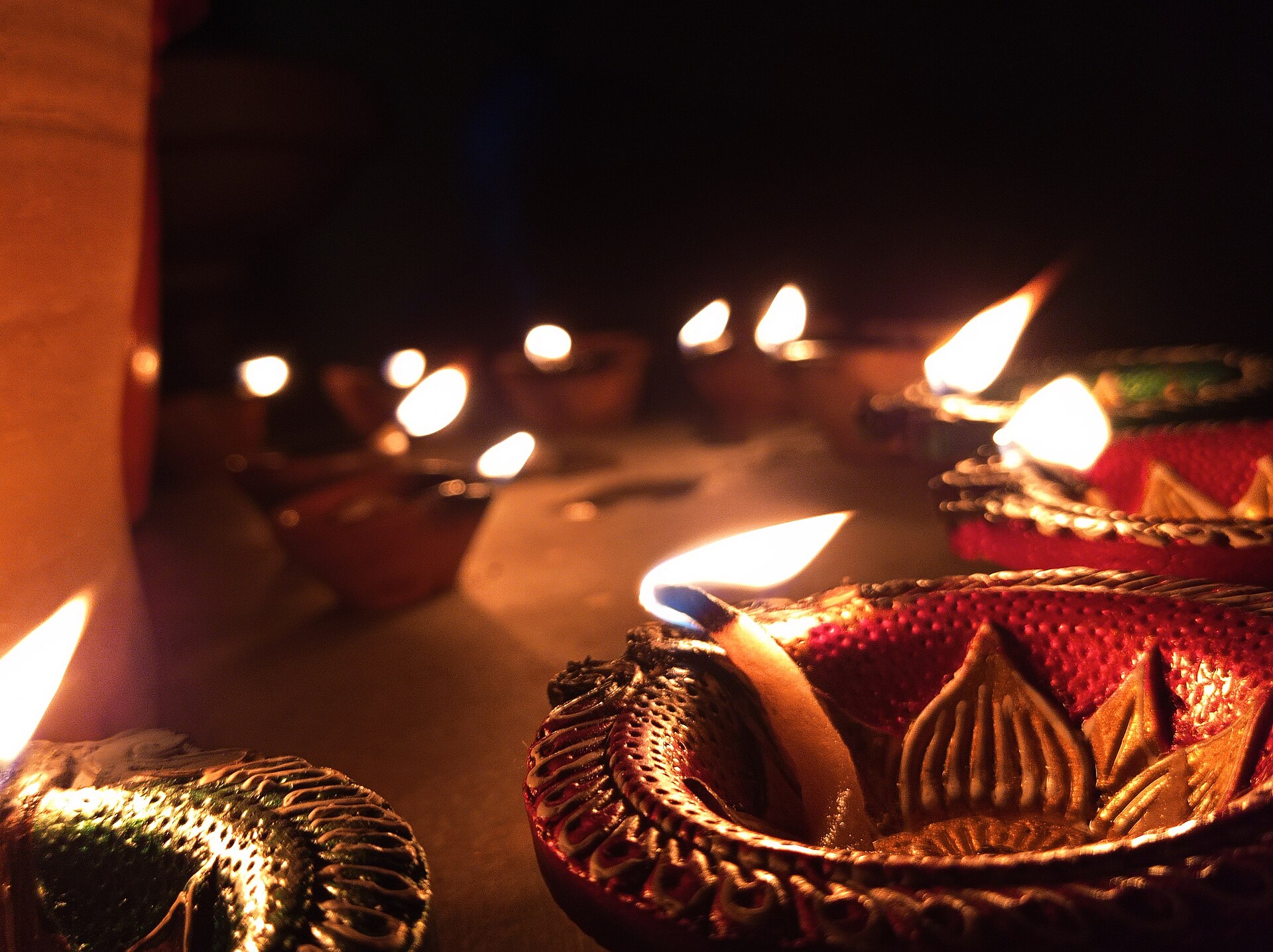
Images: Slyronit (CC BY-SA 4.0) via Wikimedia Commons, Keval Tank (CC BY-SA 4.0) via Wikimedia Commons.
 Astrologger