When Is Dev Uthani Ekadashi in 2026? Date and Tithi Timing
Dev Uthani Ekadashi 2026 falls on Friday, 20 November 2026, also known as Prabodhini Ekadashi. It marks the occasion when Lord Vishnu is traditionally believed to awaken from his four-month cosmic sleep (Yoga Nidra), closing the Chaturmas period and reopening the calendar to auspicious ceremonies.
Dev Uthani Ekadashi 2026: Key Timings & Muhurat
| Event | Date | Time (IST) |
|---|
| Ekadashi Tithi begins | 20 November 2026 | 07:15 AM |
| Ekadashi Tithi ends | 21 November 2026 | 06:31 AM |
| Main fasting day (Smarta) | Friday, 20 November 2026 | Full day |
| Vaishnava observance | Saturday, 21 November 2026 | Full day |
| Parana (breaking the fast) | 21 November 2026 | 01:11 PM – 03:18 PM |
| Tulsi Vivah muhurat | 20 November 2026 | Evening, after sunset |
Timings are calculated for Delhi and can shift by a few minutes in other cities — always confirm against your local panchang. Most households observe the main fast on 20 November; some Vaishnava traditions keep it on 21 November.
According to the panchang, the Ekadashi tithi (the eleventh lunar day) begins on the morning of 20 November 2026 and ends at dawn on 21 November 2026. To maintain the sanctity of the fast, practitioners break it during the Dwadashi Parana window on the following day, 21 November 2026, roughly between 01:11 PM and 03:18 PM.
This day often serves as a spiritual turning point, as it signals the end of the Chaturmas period. In many traditions, this awakening may open the doors for auspicious activities that were paused, most notably the commencement of the Hindu wedding season. For those planning celebrations or seeking the right time for a new beginning, checking the panchang can help align these events with the most favorable timings. This transition tends to bring a sense of renewal and hope to households across India.
Talk to an astrologer about the right muhurat. First message free · ₹25/min
What Is Prabodhini Ekadashi and Why Does It Matter?
Prabodhini Ekadashi, also known as Dev Uthani Ekadashi, is a pivotal observance in the Vaishnava calendar that traditionally celebrates the moment Lord Vishnu awakens from his four-month cosmic sleep, marking the end of Chaturmas and the return of auspicious activity in the world. The name comes from the Sanskrit word prabodh, meaning to awaken, and the period of sleep is understood to have begun on Devshayani Ekadashi.
According to mythological accounts, the Lord rests on the serpent Shesha in the celestial ocean during the rainy season. His awakening signals the end of a period of spiritual introspection and the return of divine activity in the material world. Because the Lord is now "awake," this day is considered especially sacred and auspicious for starting new ventures.
In Vedic tradition, the period of his sleep often coincides with a time when auspicious ceremonies, particularly weddings, are paused. Once Prabodhini Ekadashi arrives, the cosmic energy tends to shift — marking the wedding season start 2026 date for many communities across India. For many, this day may bring a sense of renewal and spiritual freshness. You can check the precise timings for these observations using a Panchang, as the specific tithi (lunar day) determines the exact window for puja and rituals. This transition also sets the stage for the celebration of Tulsi Vivah, which traditionally takes place on this same day.
Why Are Hindu Weddings Not Held Before Dev Uthani Ekadashi?
Hindu weddings are traditionally not held before Dev Uthani Ekadashi because the intervening period, known as Chaturmas, is considered a time of spiritual restraint during which auspicious ceremonies are paused. In the Vedic tradition, the period between Devshayani Ekadashi (occurring on 2026-07-25) and Prabodhini Ekadashi 2026 (occurring on 2026-11-20) is known as Chaturmas. This four-month window is traditionally viewed as a time of spiritual introspection and restraint. According to classical beliefs, Lord Vishnu enters a state of yogic sleep during this interval, which often leads practitioners to believe that the divine energy required to bless new beginnings is less accessible.
Because of this, auspicious rites such as weddings, griha pravesh (housewarming), and other celebratory ceremonies are traditionally paused. This convention is not based on fear, but rather on a religious alignment with the cosmic cycle of rest and awakening. It is a period dedicated to fasting, prayer, and inner growth rather than outward celebration.
It is helpful to remember that these practices can vary across different regions of India. Some communities may follow different Panchang calculations or local customs that allow for certain ceremonies. While the general tendency is to wait for the "awakening" of the Lord on Dev Uthani Ekadashi to resume weddings, the approach often depends on family traditions and the guidance of a local priest. Once the deity awakens, the window for shubh muhurat (auspicious timings) opens again, marking the start of the wedding season 2026 date and the broader festive calendar.
Tulsi Vivah 2026: Date, Shubh Muhurat and Ritual Overview
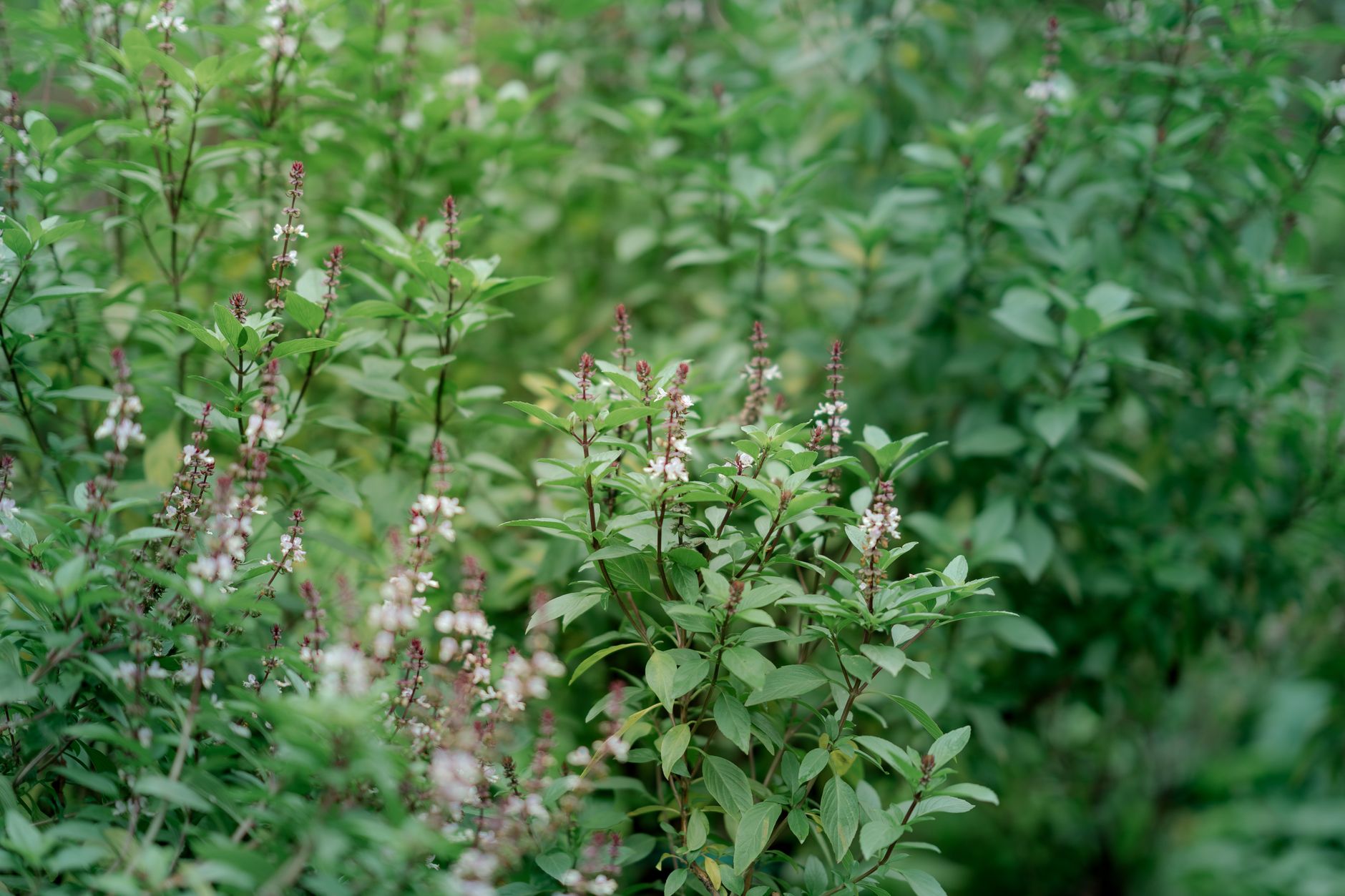
Tulsi Vivah 2026 falls on November 20, with the evening of that date generally preferred as the shubh muhurat, though some families may observe the ceremony on the following day depending on regional customs and tithi timing. Tulsi Vivah is a beautiful ceremonial marriage between the Tulsi plant (Holy Basil) and the Shaligram (a sacred stone representing Lord Vishnu). This auspicious event traditionally takes place on Prabodhini Ekadashi, which falls on 2026-11-20. For those searching for the tulsi vivah 2026 date and muhurat, the evening of November 20 is generally preferred, though depending on regional customs and the specific timing of the tithi, some families may observe the ceremony on the following day, Dwadashi.
The ritual often occurs during the evening hours, as the atmosphere tends to feel more serene and spiritual. While specific local panchang calculations vary, the evening window after sunset on November 20 is the commonly cited tulsi vivah 2026 shubh muhurat. For those seeking a morning window, the period following sunrise on November 21 can be a suitable alternative.
The ceremony involves decorating the Tulsi plant with a bridal veil and performing a puja with the Shaligram. Classical traditions associate this union with the end of the celestial slumber of Lord Vishnu, which often marks the beginning of the Hindu wedding season. It is believed that performing this puja can invite harmony and prosperity into the home. To find the precise timing for your specific city, checking a detailed panchang is a helpful practice.
How Is Tulsi Vivah Celebrated? Step-by-Step Puja Vidhi
Tulsi Vivah is celebrated as a symbolic wedding ceremony between the Tulsi plant (holy basil) and Lord Vishnu, typically represented by the Shaligram (a sacred stone found in the Gandaki river), following a step-by-step puja vidhi that begins with decorating the plant and concludes with aarti and the distribution of prasad. This ritual traditionally marks the end of the four-month period of abstinence and the beginning of the auspicious wedding season. For those planning ahead, the Tulsi Vivah 2026 shubh muhurat falls on the same evening as Dev Uthani Ekadashi, making the timing of the ceremony particularly significant.
To begin the puja vidhi, the area around the Tulsi plant is cleaned and decorated with colourful rangoli. A canopy, often made of sugarcane stalks tied together, is created over the plant to resemble a wedding mandap.
Items typically needed for the ceremony include:
- A Shaligram stone
- Fresh marigold flowers and garlands
- Sindoor (vermilion) and kumkum
- Incense sticks and a diya (oil lamp)
- Sweets and fruits for offering
The ritual begins by placing the Shaligram beside the Tulsi plant. Devotees apply sindoor to both and offer flowers and incense. A key part of the ceremony is the mangalsutra ritual, where a sacred thread or a small garland is used to symbolically unite the two. This act is traditionally associated with bringing harmony and prosperity to the household.
The celebration concludes with the singing of aarti (devotional songs) and the distribution of prasad. For those seeking a deeper understanding of timing and planetary alignments, checking a panchang can help in identifying the most auspicious moments for the ceremony.
Dev Uthani Ekadashi 2026 Puja Vidhi: Fasting and Worship Guide
Dev Uthani Ekadashi 2026 puja vidhi centres on fasting and the worship of Lord Vishnu to mark his awakening from cosmic sleep, with the observance falling on 2026-11-20 and following a sequence that moves from a morning bath and puja through to breaking the fast on the following Dwadashi. Following the dev uthani ekadashi 2026 puja vidhi outlined below may help devotees align their observance with established practice. In Jyotish tradition, this day may help in aligning one's energy with the awakening of the Divine.
Depending on your health and capacity, you can choose between two traditional fasting paths. A nirjala fast involves abstaining from both food and water, while a phalahar fast allows for fruits, milk, and specific non-grain foods. Traditionally, grains, pulses, and salt are avoided. Many practitioners prefer Sama rice or buckwheat to maintain their energy.
The worship sequence usually begins with a morning bath and the cleaning of the puja area. The Vishnu puja typically involves offering yellow flowers, incense, and lamps to the deity. Devotees often chant the Vishnu Sahasranama (the thousand names of Vishnu) or meditate on his form.
The fast is traditionally concluded on the following day, Dwadashi (the twelfth lunar day). The specific Parana time (the auspicious window to break the fast) is calculated based on the local panchang to ensure it occurs after sunrise but before the tithi ends. Breaking the fast with a light, satvic meal is often suggested to gently transition the body back to regular eating habits.
When Does the Hindu Wedding Season Start in 2026?
The Hindu wedding season in 2026 is generally considered to start on or after 20 November 2026, following Prabodhini Ekadashi (also known as Dev Uthani Ekadashi), when the period of Chaturmas concludes and Lord Vishnu is believed to awaken from his cosmic sleep. This date serves as the spiritual green light for auspicious ceremonies, as the awakening of the deity often signals a time of renewal and celebration.
For those planning their nuptials, the wedding season start 2026 date is generally considered to be late November, with the first batch of shubh vivah muhurats (auspicious marriage timings) extending through December 2026. While the specific timings depend on the individual's kundli, the window following 20 November tends to be highly sought after.
When selecting a date, families often consult a panchang to ensure the day is not affected by malmas (an inauspicious lunar month) or specific nakshatras that classical texts associate with instability. While many dates in December may appear favorable, some may be excluded based on regional customs or specific planetary alignments. It is often helpful to cross-reference these windows with the couple's birth charts to find a moment that aligns with their personal energies, as these dates provide a general tendency toward auspiciousness rather than a certainty for every individual.
Shubh Muhurat for Marriage After Dev Uthani Ekadashi 2026
Shubh muhurats for marriage after Dev Uthani Ekadashi 2026 typically begin from late November, once the period of Chaturmas concludes and Lord Vishnu is traditionally believed to awaken, reopening the celestial gates for auspicious beginnings.
While the general panchang provides windows of positive energy, the tulsi vivah 2026 shubh muhurat and marriage timings often depend on the alignment of the Tithi (lunar day) and Nakshatra (constellation). Below are some of the traditionally favored dates for weddings in late 2026.
| Date | Day | Nakshatra | Approximate Muhurat Window |
|---|
| Nov 28, 2026 | Saturday | Rohini / Mrigashirsha | Morning to Afternoon |
| Dec 4, 2026 | Friday | Anuradha / Jyeshtha | Evening window |
| Dec 12, 2026 | Saturday | Revati / Ashwini | Full day |
| Dec 14, 2026 | Monday | Rohini | Morning window |
It is helpful to remember that these dates represent general cosmic tendencies. A wedding muhurat is most effective when it aligns with the individual birth charts of both partners. A personal horoscope match can add a vital layer of compatibility, as certain dates may be more harmonious for one couple than another. Consulting a detailed kundli often helps in refining these windows to ensure the timing resonates with the couple's unique planetary positions.
Frequently Asked Questions
Is Dev Uthani Ekadashi and Prabodhini Ekadashi the same festival?
Yes, Dev Uthani Ekadashi and Prabodhini Ekadashi refer to the same auspicious occasion. In the 2026 calendar, this day is observed on 2026-11-20, marking the traditional awakening of Lord Vishnu from his four-month cosmic sleep.
Can Tulsi Vivah be performed at home without a priest?
Tulsi Vivah can traditionally be performed at home by the devotees themselves. While some prefer a priest for specific Vedic chants, the essence of the ceremony lies in the devotion and the symbolic marriage of the Tulsi plant to Lord Vishnu.
How many auspicious marriage dates are available in November 2026 after Dev Uthani Ekadashi?
After Dev Uthani Ekadashi on 20 November 2026, the first widely favoured wedding muhurats of the season fall in late November and December. Commonly cited dates include 28 November and 4, 12 and 14 December 2026 (see the muhurat table above). The exact count varies by tradition because each date must clear the required nakshatra, tithi and the couple's own charts, so confirm shortlisted dates against your local panchang.
What is the Parana time for breaking the Dev Uthani Ekadashi 2026 fast?
The Parana (fast-breaking) for Dev Uthani Ekadashi 2026 falls on the next day, Dwadashi — 21 November 2026 — in the afternoon window of roughly 01:11 PM to 03:18 PM (Delhi timings). Parana should be done after sunrise and before the Dwadashi tithi ends, so confirm the exact minutes for your city with a local panchang.
Does the Chaturmas restriction on weddings apply equally across all Hindu communities?
The restriction on weddings during Chaturmas tends to vary across different Hindu communities and regional traditions. While many follow the practice of avoiding marriages until Dev Uthani Ekadashi, some communities may have different customs or exceptions.
What items are needed to perform Tulsi Vivah puja at home in 2026?
Traditional items for Tulsi Vivah puja typically include a Tulsi plant, a Shaligram or idol of Lord Vishnu, a bridal dupatta or cloth, and offerings like sweets, flowers, and incense. These items are used to symbolically decorate the plant and perform the wedding rituals.
Images: Pavan Prasad via Pexels, Tuấn Kiệt Jr. via Pexels.
 Astrologger