What is the most powerful Ganesh mantra for removing obstacles?
The most widely practiced mantra for removing obstacles is Om Gam Ganapataye Namaha, though the Vakratunda Mahakaya mantra is also frequently used to seek protection and the removal of deep-seated barriers. In the Vedic tradition, Lord Ganesha is revered as Vighnaharta, the remover of obstacles. He is often the first deity invoked before any new venture, as his energy tends to clear the path for success and stability. When facing hurdles in a new business, a home purchase, or a creative project, practitioners often turn to a specific ganesh mantra to align their energy with his grace.
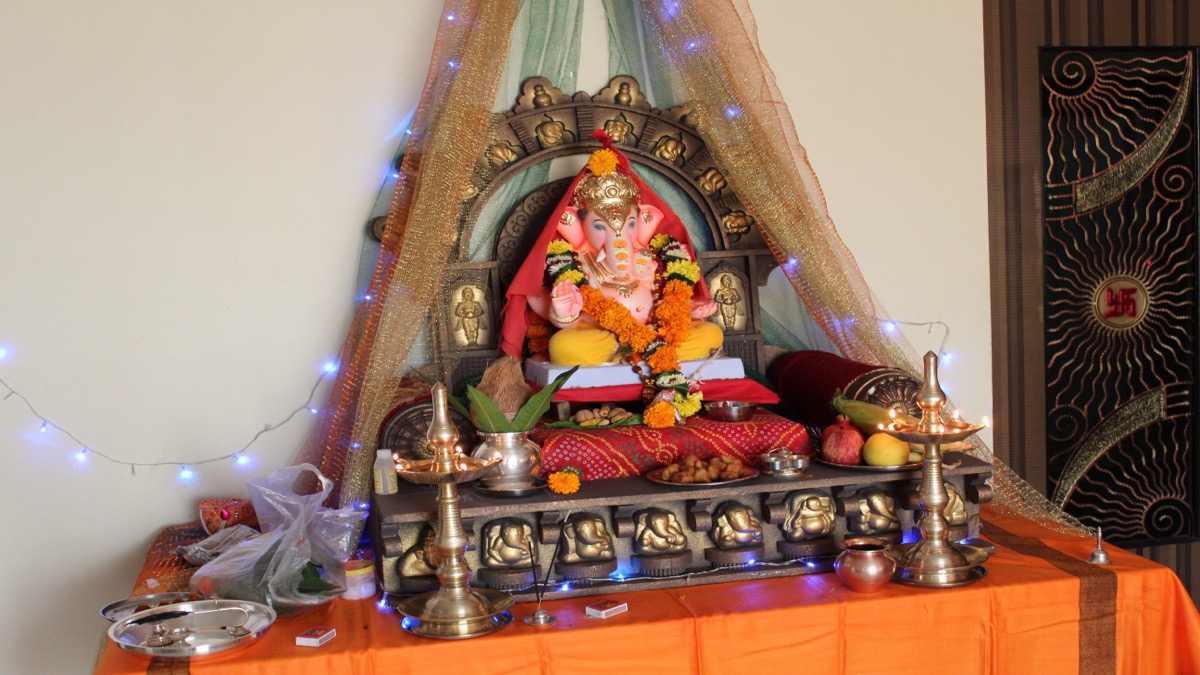
This seed mantra (Bija mantra) translates roughly to "Salutations to the Lord of the Ganas," and it is traditionally used to invite wisdom and clarity. Another powerful invocation is the Vakratunda Mahakaya mantra lyrics, which praises Ganesha's curved trunk and massive form.
For those seeking a ganpati mantra for success and removal of obstacles, traditional practices suggest a focused mind and a clean space. While some believe in specific counts like 108 repetitions using a mala, others find peace in chanting according to their own intuition. Many practitioners feel comfortable chanting these mantras without formal initiation, as Ganesha is known for his accessibility and warmth. To find an auspicious time to begin a new practice, you may check the panchang for favorable timings. For a particularly potent start, many people wait for Ganesh Chaturthi, which falls on 2026-09-14.
Talk to an astrologer about what this means for your chart. First message free · ₹25/min
Om Gam Ganapataye Namaha Meaning and Benefits
Om Gam Ganapataye Namaha is a Beej mantra, or seed sound, traditionally used to remove obstacles and cultivate mental clarity and groundedness. To understand the om gam ganapataye namaha meaning and benefits, we can look at the word-by-word breakdown:
- Om: The primordial sound of the universe, representing the ultimate reality.
- Gam: The Beej (seed) sound associated with Lord Ganesha, believed to contain the essence of his energy.
- Ganapataye: A name for Ganesha, meaning the Lord of the Ganas (the celestial attendants of Shiva).
- Namaha: A gesture of bowing or surrender, acknowledging a power greater than the ego.
In the Vedic tradition, chanting this mantra is often associated with the removal of obstacles. Rather than a magical switch, this process is traditionally viewed as a way to shift one's internal state. Regular practice may help cultivate mental clarity and a sense of groundedness, which can make challenges feel more manageable.
By focusing the mind on these sounds, a practitioner may find that their anxiety tends to decrease, allowing for better decision-making. In Jyotish tradition, this practice is often suggested as a neutral way to align oneself with the qualities of wisdom and stability. Whether you are beginning a new venture or seeking peace, this mantra can serve as a meditative tool to clear the mental clutter that often blocks progress.
Vakratunda Mahakaya Mantra Lyrics and Significance
The Vakratunda Mahakaya sloka is a cherished prayer in the Vedic tradition often recited at the start of any new venture, puja (ritual worship), or auspicious event to seek the blessings of Lord Ganesha.
Sanskrit Lyrics:
वक्रतुण्ड महाकाय सूर्यकोटि समप्रभ।
निर्विघ्नं कुरु मे देव सर्वकार्येषु सर्वदा॥
Hindi Translation (Ganesh mantra in hindi):
टेढ़ी सूंड वाले, विशाल शरीर वाले, करोड़ों सूर्यों के समान तेजस्वी देव, मेरे सभी कार्यों को हमेशा बाधा रहित करें।
In Jyotish (Vedic astrology) and spiritual practice, Lord Ganesha is traditionally regarded as Vighnaharta, the remover of obstacles. Chanting these vakratunda mahakaya mantra lyrics during the commencement of a ritual is a traditional practice intended to clear the path of any unforeseen hurdles. It is believed that by invoking the energy of the deity who governs beginnings, a practitioner may find a smoother flow of energy and greater mental clarity.
Whether you are starting a new job, entering a new home, or preparing for a major festival like Ganesh Chaturthi, this sloka serves as a humble request for divine guidance. While no mantra can guarantee a specific outcome, the act of chanting often helps the practitioner cultivate a state of focus and surrender, which can be beneficial for the success of any endeavour. You may check the panchang to find an auspicious time to begin your spiritual practice.
Powerful Ganesh Vandana Slokas for Daily Prayer
Powerful Ganesh Vandana slokas are traditional prayers and hymns of praise in the Vedic tradition that describe the attributes of Lord Ganesha, such as his wisdom and his role as the remover of obstacles. Practitioners often choose between short mantras and longer prayers based on their time and intention. A short mantra, such as Om Gam Ganapataye Namaha, is a seed sound (beej mantra) that can be repeated many times to focus the mind. Understanding the om gam ganapataye namaha meaning and benefits often helps practitioners connect with the intention of removing internal and external blockages.
A longer prayer, such as a Vandana (salutation) or Stotram (hymn of praise), is a more descriptive form of devotion. These powerful ganesh vandana slokas often describe the attributes of Lord Ganesha, such as his wisdom and his role as the remover of obstacles. While a mantra is like a focused beam of light, a stotram is like a warm glow, offering a meditative space to contemplate the deity's qualities.
For your daily practice, you may consider these traditional slokas:
Vakratunda Mahakaya
Vakratunda Mahakaya Surya Koti Samaprabha
Nirvighnam Kuru Me Deva Sarva Karyesu Sarvada
(Traditionally used as a ganpati mantra for success and removal of obstacles, as it invokes the brilliance of a million suns to remove hurdles.)
Gajananam Bhuta Ganadhi Sevitam
Gajananam Bhuta Ganadhi Sevitam
Kapittha Jambu Phala Sara Bhakshitam
(A prayer that honours the elephant-headed deity, often used to bring a sense of peace and grounding before starting a new task.)
Depending on your schedule, you can choose a short mantra for consistency or a longer sloka for deeper reflection. You may find the current auspicious timings via the panchang to begin your practice.
How to chant a Ganpati mantra for success and removal of obstacles?
Chanting a Ganpati mantra for success and the removal of obstacles is traditionally done by aligning one's energy with wisdom and stability through a focused, devotional approach. While the number of repetitions can vary, the tradition often suggests a focused approach rather than mechanical chanting.
To begin, find a quiet space where you can sit undisturbed. A comfortable posture, such as Padmasana (lotus pose) or simply sitting cross-legged with a straight spine, helps maintain alertness. Traditionally, facing East or North is considered auspicious as these directions are associated with spiritual growth and clarity.
Before starting, it is common practice to ensure physical and mental purity. This may involve a simple bath or washing the hands and face. However, the internal intention—the Sankalpa (solemn vow or intention)—is often viewed as more significant than the external ritual. Instead of focusing solely on the outcome, practitioners are encouraged to chant with a feeling of surrender and devotion.
For those who wish to align their practice with cosmic timings, consulting a Panchang can help identify a muhurta (auspicious moment) to begin a new mantra cycle. This traditional Vedic almanac helps practitioners avoid inauspicious windows and choose timings that may better support their intentions. By focusing on the vibration of the sound and the presence of the deity, the practice tends to become a meditative experience that can help clear mental obstacles.
How many times should you chant the Ganpati mantra?
The Ganpati mantra is most commonly chanted 108 times in Vedic tradition, a number often considered sacred and representing the connection between the individual and the cosmos. Using a mala (prayer beads), a practitioner typically completes one full circle of 108 repetitions. This specific number may represent the connection between the individual and the cosmos, as classical texts associate it with the distance between the Earth, Sun, and Moon.
While 108 is a traditional benchmark, the focus often rests more on consistency than on a rigid number. Some practitioners choose to chant in multiples of 108, such as 3, 11, or 21 times, depending on their personal goals or the guidance of a mentor. Chanting with a steady rhythm and a focused mind tends to be more significant than the raw count alone.
For those seeking the most auspicious moments to begin a new chanting practice, consulting a Panchang can be helpful. This traditional Vedic almanac helps identify favorable timings based on the Tithi (lunar day) and Nakshatra (constellation), which may align the practitioner's energy with the lunar cycle. Whether you chant 108 times or a few repetitions daily, the habit of regular practice can create a sense of mental clarity and peace.
Can you chant Ganesh mantras without initiation?
Whether one can chant Ganesh mantras without initiation often depends on the nature of the mantra being used in the Vedic tradition.
Many Ganesh mantras, such as the popular "Om Gam Ganapataye Namaha", are considered universal. Understanding the om gam ganapataye namaha meaning and benefits often reveals them as open prayers of devotion and respect that anyone can chant. Such mantras may help a practitioner cultivate a sense of peace and focus, and they are traditionally associated with removing obstacles in one's path. Because these are based on bhakti (devotion), they typically do not require formal initiation to be practiced.
However, certain advanced or "beej" (seed) mantras possess a more intense vibrational quality. In classical traditions, these may require specific guidance or initiation from a Guru to ensure they are chanted with the correct pronunciation and intention. Practising these without guidance can sometimes feel overwhelming or may not yield the traditional results associated with the practice.
If you are unsure, starting with simple, devotional chants is a gentle way to connect with the energy of Lord Ganesha. For those seeking a deeper, more disciplined spiritual path, consulting a qualified teacher can provide the necessary framework for advanced practice.
Frequently Asked Questions
Which Ganesh mantra is best for students?
In Jyotish tradition, the Om Gam Ganapataye Namaha mantra is often suggested for students as it is associated with the removal of obstacles. This practice may help in fostering focus and clarity of mind during studies.
What are the benefits of chanting Vakratunda Mahakaya?
Chanting the Vakratunda Mahakaya mantra is traditionally believed to help clear the path for new beginnings by removing hurdles. It may bring a sense of peace and is often recited to invite auspiciousness into one's life.
Does the time of day affect the efficacy of Ganesh mantras?
While mantras can be chanted at any time, the Brahma Muhurta (the early morning hours before sunrise) is traditionally considered highly auspicious. Practitioners often find that this quiet period may enhance their concentration and spiritual connection.
Can Ganesh mantras be chanted in English or Hindi?
While the original Sanskrit vibrations are traditionally preferred in Vedic practice, chanting in English or Hindi may still provide emotional and mental comfort. The intention and devotion behind the prayer are often considered just as important as the language used.
How long does it take to see the effects of a Ganpati mantra?
The experience of chanting varies for every individual, as astrology describes tendencies rather than often reported timelines. Some may feel a shift in perspective quickly, while others find that the benefits tend to unfold gradually through consistent practice.
Image: India1277 (CC BY-SA 4.0) via Wikimedia Commons.
 Astrologger