Which is the most powerful Krishna mantra?
The most powerful Krishna mantra is often considered to be the one that resonates most deeply with the practitioner's own heart and spiritual inclination, as the Vedic tradition suggests strength lies more in Bhakti (devotion) than in the words themselves. Among the many sacred chants, the Hare Krishna Maha Mantra is traditionally considered one of the most potent. This "great mantra" focuses on divine love and is often practised to cultivate a sense of spiritual longing and inner peace. For those seeking a path of surrender and liberation, the Om Namo Bhagavate Vasudevaya mantra is another primary choice. The Om Namo Bhagavate Vasudevaya meaning, which translates to "I bow to the Lord who lives in the hearts of all," is traditionally associated with the removal of obstacles and the attainment of spiritual wisdom.
Depending on your intention, one of these may feel more aligned with your current journey. While classical texts describe various benefits for these chants, they are generally viewed as tools to help the mind settle and the spirit align with the divine. Whether you choose a short seed mantra or a longer prayer, the practice tends to be most effective when approached with sincerity and a calm mind.
Talk to an astrologer about what this means for your chart. First message free · ₹25/min
The Meaning and Benefits of the Hare Krishna Maha Mantra
The Hare Krishna Maha Mantra is a call to the Divine used in the Bhakti tradition to cultivate a deeper connection with the Supreme, serving as a humble request for the practitioner to be engaged in the service of the Divine. The complete sixteen-word mantra is:
Hare Krishna Hare Krishna
Krishna Krishna Hare Hare
Hare Rama Hare Rama
Rama Rama Hare Hare
To understand its essence, we can look at the mantra word by word:
Hare: This refers to the energy of the Lord, often associated with Radha, who helps the seeker reach the Divine.
Krishna: Meaning "the All-Attractive One," representing the source of joy and love.
Rama: Referring to the reservoir of pleasure or the Divine source of spiritual bliss.
Together, the mantra is a humble request for the practitioner to be engaged in the service of the Divine. In Vedic tradition, the Hare Krishna mantra benefits can act as a tool for mental purification. By focusing the mind on these sacred sounds, a practitioner may experience a gradual reduction in stress and a sense of inner calm.
Rather than offering an immediate fix for life's challenges, the Maha Mantra is traditionally seen as a path toward spiritual awakening. Regular chanting can help quiet the noise of the ego and may lead to a state of mental peace. This practice tends to shift one's perspective from material anxiety toward a more balanced, spiritual outlook, allowing the practitioner to navigate daily life with greater grace and patience.
Om Namo Bhagavate Vasudevaya Meaning and Significance
Om Namo Bhagavate Vasudevaya is a twelve-syllable chant dedicated to Lord Krishna, known as the Mukti Mantra. In Sanskrit, Om is the primordial sound of the universe, Namo signifies a respectful bowing or surrender, and Bhagavate refers to the Divine One who possesses all opulences. Vasudevaya translates to the son of Vasudeva, but in a deeper spiritual sense, it describes the Indwelling Lord who resides in all beings.
In the Vedic tradition, this mantra is often associated with the pursuit of moksha (liberation from the cycle of birth and death). By chanting these syllables, a practitioner may cultivate a sense of surrender and devotion, which classical texts suggest can help dissolve the ego.
Beyond the goal of liberation, the practice is traditionally believed to support mental clarity. The rhythmic repetition of the sounds can act as a focal point for the mind, which may reduce restlessness and encourage a state of inner peace. For those feeling overwhelmed by the chaos of daily life, this mantra can serve as a gentle tool to steady the thoughts and align the heart with a higher consciousness. While the experience varies for every individual, many find that regular practice tends to bring a feeling of spiritual lightness and emotional balance.
Other Powerful Krishna Mantras for Success and Prosperity
The Vedic tradition offers various Krishna mantras tailored to specific inner intentions, which are traditionally viewed as tools for mental alignment rather than shortcuts to external gain. While the maha mantra is widely cherished, these practices serve different purposes.
For those seeking harmony in relationships or a greater sense of attraction and magnetism, the Kleem mantra is often suggested. Kleem is a Bija mantra (seed sound) that classical texts associate with the energy of attraction and the softening of conflicts. Practising this may help a person cultivate a more welcoming and loving presence.
To invite prosperity and a sense of abundance, some practitioners turn to the Shri Krishna Govinda Hare Murari mantra. In the Jyotish tradition, this Shri Krishna mantra for success is often linked to the removal of obstacles and the cultivation of a mindset of gratitude, which can tend to open doors to new opportunities.
For those navigating periods of mental unrest, the Om Namo Bhagavate Vasudevaya mantra is traditionally considered a path toward spiritual liberation and peace. Chanting this Krishna mantra for peace and prosperity may help stabilise the mind during difficult dashas (planetary periods). These practices are most effective when approached as a means of inner growth, allowing the practitioner to align their consciousness with the qualities of the Divine. For those checking their kundli, these mantras can be used as supportive traditional practices to complement one's spiritual journey.
How to chant Krishna mantras for the first time?
Chanting Krishna mantras for the first time typically involves finding a quiet space and focusing on the purity of your heart over ritualistic perfection. If you are chanting for the first time, begin by finding a quiet space where you can sit undisturbed.
For posture, a cross-legged position on a mat or cushion is traditional, as it helps keep the spine straight. This alignment may help the flow of energy and maintain alertness. If this is uncomfortable, sitting in a chair with your feet flat on the floor is perfectly acceptable.
Before you begin, set a clear intention, or Sankalpa (a solemn vow). This is not a demand for a result, but a gentle direction for your focus. You might simply intend to cultivate peace or express devotion, perhaps utilizing a Krishna mantra for peace and prosperity.
When you start chanting, focus on the sound of the mantra. If your mind wanders, gently bring it back to the vibration of the words. While some practitioners use a Mala (prayer beads) to keep count, beginners can simply chant for a few minutes or a specific number of repetitions. Remember that these practices are tendencies for spiritual growth; they may bring a sense of calm or clarity over time, but the primary value lies in the sincerity of your effort. For those tracking auspicious timings, checking the panchang can help you find a peaceful window for your practice.
What is the best time to chant Shri Krishna mantras?
The best time to chant Shri Krishna mantras is traditionally considered to be Brahma Muhurta, the "time of the creator," which occurs roughly an hour and a half before sunrise. The atmosphere during these early hours tends to be quiet and pure, which can make it easier to focus the mind and feel a deeper connection to Shri Krishna, especially when reciting a Shri Krishna mantra for success.
Beyond the daily cycle, aligning your practice with the lunar calendar can enhance the experience. Many practitioners find that chanting during a Purnima (full moon) or on specific tithis (lunar days) creates a more receptive internal state. For those following the 2026 calendar, Krishna Janmashtami on 2026-09-04 and Gita Jayanti on 2026-12-20 are particularly significant days where the collective energy often feels more aligned with the divine.
To find the most auspicious moments for your personal routine, you can consult a Panchang. This traditional Vedic almanac tracks the five limbs of time, including the Nakshatra (constellation) and Vara (day of the week). While devotion is most important, chanting during a favorable muhurta—an auspicious timing—may help you feel more centered. Whether you choose the stillness of dawn or the sanctity of a festival, the intention behind the mantra often matters most.
Guidelines on Mantra Repetition and Guru Initiation
Guidelines on mantra repetition and guru initiation in the Vedic tradition often balance the beauty of personal devotion with the structure of formal initiation.
Many practitioners find that simple, heart-led chanting—known as Bhakti (devotional path)—is open to everyone. Mantras such as the Hare Krishna maha mantra are traditionally viewed as universal, meaning they can be chanted by anyone seeking a connection with the divine without formal permission. This self-practice may foster a personal sense of peace and spiritual grounding, and many experience various Hare Krishna mantra benefits through this devotion.
However, for those pursuing advanced sādhanā (disciplined spiritual practice) or specific tantric mantras, the guidance of a guru is traditionally recommended. A teacher can provide diksha (initiation), which is thought to "awaken" the mantra and ensure the practitioner maintains the correct pronunciation and mental focus. This guided approach can help a student avoid common pitfalls and align their practice with their specific nature.
Ultimately, whether you choose a guided path or a personal one, the tradition suggests that sincerity and purity of intent are the most important elements. You may start with simple repetitions to see how they resonate with your inner state, while remaining open to seeking a mentor if you feel a call for deeper, structured learning.
Frequently Asked Questions
How many times should I chant a Krishna mantra for results?
In Vedic tradition, chanting 108 times using a mala is a common practice, though any number chosen with devotion may be beneficial. While some practitioners aim for larger totals, the focus is traditionally on the quality of the devotion rather than a specific count.
Can we chant Krishna mantras without a guru?
Many people begin their practice through personal devotion, which is generally welcomed in the path of Bhakti (devotion). However, traditional texts suggest that receiving a mantra from a guru may help the practitioner align more deeply with the mantra's specific energy.
Does the time of day affect the efficacy of the mantra?
The Brahma Muhurta, the early hours before sunrise, is traditionally considered highly auspicious for spiritual practices. While chanting at any time can bring peace, certain timings are often associated with heightened receptivity in Jyotish tradition.
What is the difference between Japa and Kirtan?
Japa is the meditative, repetitive chanting of a mantra, often performed silently or in a whisper. Kirtan is a communal, musical form of chanting that involves singing the names of the Divine, typically accompanied by instruments.
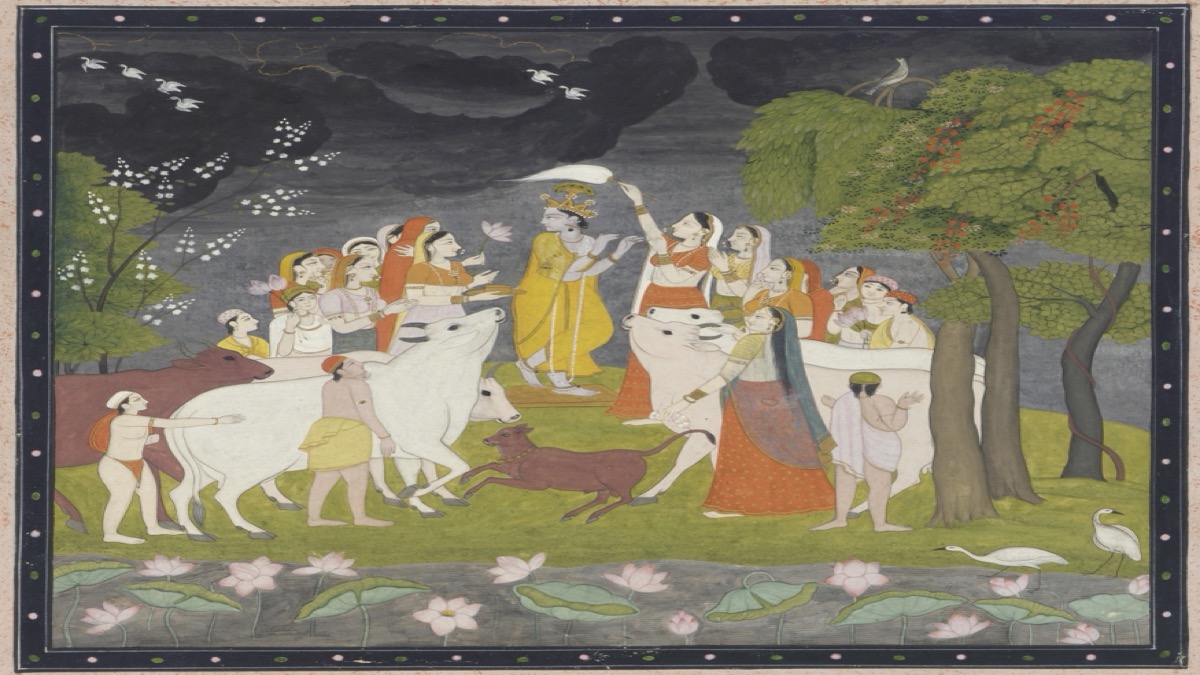
Image: Krishna with the flute (CC0, public domain) via Wikimedia Commons.
 Astrologger