What Is Budhaditya Yoga in Vedic Astrology?
Budhaditya yoga is a Vedic astrology combination formed when the Sun (Aditya) and Mercury (Budha) occupy the same house and sign in a birth chart, and classical texts traditionally associate it with intelligence, communication skills, and a sharp mind. The term itself is a blend of the Sanskrit names for these two grahas, representing a union of the Sun's authority and Mercury's intellect.

Classical texts, including the Brihat Parashara Hora Shastra and Phaladeepika, traditionally associate this sun Mercury conjunction in astrology with intelligence, communication skills, and a sharp mind. Because Mercury always stays close to the Sun, this yoga is relatively common in many horoscopes. However, its actual manifestation tends to vary significantly based on the strength of the planets involved.
The potency of this combination often depends on the sign it occupies and the degree of separation between the two planets. If Mercury is too close to the Sun, it may be considered "combust," which can sometimes diminish the yoga's positive tendencies. Conversely, when both planets are well-placed and strong, the combination can lean toward professional success and mental clarity. It is helpful to view this yoga as a general tendency toward intellectual capability rather than a certain promise of genius. You can check your own planetary positions using a kundli to see if this union exists in your chart.
Talk to an astrologer about what this means for your chart. First message free · ₹25/min
Is Budhaditya Yoga Rare or Common in a Birth Chart?
Budhaditya yoga is relatively common in birth charts because Mercury is never more than 28 degrees away from the Sun, making a conjunction between them a frequent occurrence across many horoscopes. This is a simple astronomical fact: since a conjunction occurs when two planets occupy the same sign, the sun Mercury conjunction appears quite frequently when looking at a kundli.
However, the frequency of this yoga does not dilute its significance. In Jyotish, a yoga is a specific planetary combination that produces a defined result, but the strength of that result varies from person to person. The potential for intelligence or professional success associated with this union depends on several moderating factors.
For instance, the degree of combustion—how close Mercury is to the Sun—can influence whether the planet's qualities are expressed clearly or feel overshadowed. The dignity of the sign, the house placement, and the overall strength of the grahas (planets) also play a role. While many people have this conjunction, it may manifest as a sharp analytical mind in one person and a quiet, scholarly nature in another. Rather than a often reported outcome, think of it as a tendency toward intellectual curiosity that activates differently based on the rest of the chart.
How Does Mercury Combustion Affect Budhaditya Yoga?
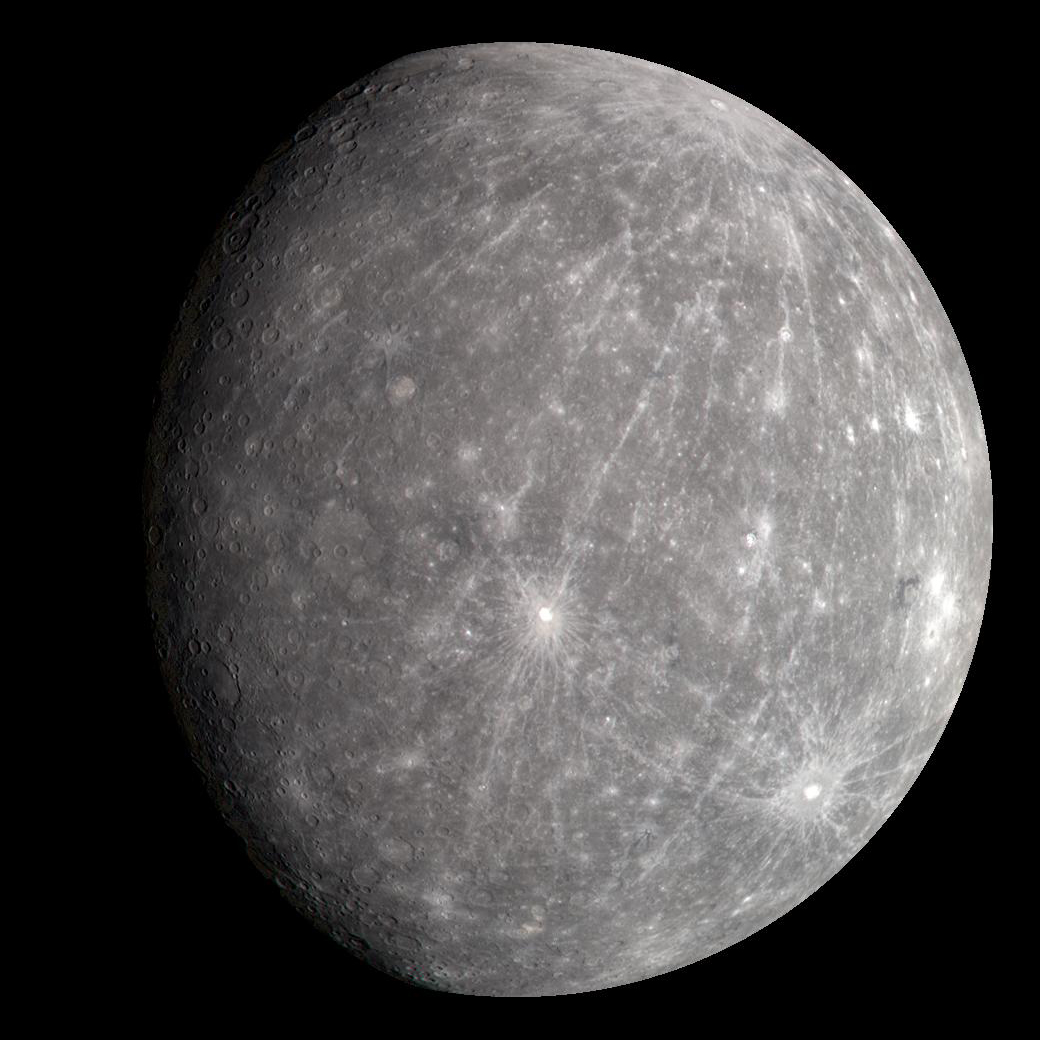
Mercury combustion can weaken Budhaditya Yoga, but does not cancel it — instead, combustion modifies how the yoga's energy manifests along a spectrum of strength. In Jyotish, Mercury is considered combust when it is within roughly 14 degrees of the Sun. Because the Sun is so powerful, its proximity can sometimes overshadow Mercury, which may reduce the expression of Mercury's significations.
In the context of Budhaditya yoga, this interaction creates a spectrum of strength. When Mercury is far enough from the Sun to avoid combustion, the yoga is traditionally seen as strongest, as both grahas (planets) can express their qualities clearly. This often manifests as a balanced blend of leadership and intellect — one of the more notable budhaditya yoga benefits noted in classical texts.
Conversely, when Mercury is deeply combust, the yoga may be considered weaker. In such cases, the Sun's dominating energy can overwhelm Mercury's analytical nature. This might lead to a tendency where the person's ego or authority overshadows their communication or logic. However, it is important to remember that combustion does not "cancel" the yoga. Instead, it modifies how the energy manifests. The overall result often depends on the strength of the planets and their placement in the kundli. Classical texts suggest that even a combust Mercury can provide benefits if it is well-placed or occupies its own sign, though the delivery of these results may feel more subtle or internal.
Does Budhaditya Yoga Enhance Intelligence and Communication?
Budhaditya Yoga tends to enhance intelligence and communication by blending the Sun's power of self-expression with Mercury's governance of intellect and logic — though it offers a predisposition toward these qualities rather than a guarantee of genius. In Vedic astrology, a yoga is a specific planetary combination in a birth chart that produces a defined result. This yoga occurs when the Sun (Surya) and Mercury (Budha) occupy the same house. Because Mercury is always close to the Sun, this sun mercury conjunction in birth chart is relatively common across many horoscopes.
Rather than a guarantee of genius, this union suggests a blending of two distinct energies. The Sun represents the soul, authority, and the power of self-expression, while Mercury governs the intellect, logic, and communication. When these two combine, the result often manifests as a tendency toward a sharp intellect and strong analytical abilities.
Classical texts associate this yoga with eloquence and a natural skill for writing or trade. A person with this placement may find it easier to organize their thoughts or present ideas with confidence. However, the actual manifestation depends on the strength of the planets and the house they occupy. For instance, if Mercury is combust (too close to the Sun), the intellectual spark may be present, but the person might struggle to express it calmly. While it can enhance mental agility, it does not automatically make someone intelligent; it simply provides a predisposition toward intellectual pursuits. You can check your own planetary positions using a kundli to see if this combination exists in your chart.
Budhaditya Yoga Effects in Each House
Budhaditya Yoga expresses itself differently depending on the house in which the Sun and Mercury unite, with classical Jyotish texts generally considering placements in the kendras (angular houses) and trines (1st, 5th, and 9th houses) as most favourable for manifesting intellectual prominence. In Jyotish (Vedic astrology), a yoga is a specific planetary combination that produces a defined result. Exploring budhaditya yoga in different houses can help you understand how this conjunction shapes distinct areas of life.
In the 1st house, this conjunction may grant a sharp intellect and a commanding presence. The 2nd house often associates with a sophisticated way of speaking or wealth through intellectual pursuits. Placements in the 3rd house can indicate skill in writing, communication, or a strong bond with siblings.
The 5th house is traditionally linked to high intelligence, creativity, and academic success. In the 9th house, the yoga may manifest as a deep interest in philosophy, law, or higher learning. The 10th house is frequently seen as a powerhouse for professional authority and recognition in one's career.
Other placements also carry specific tendencies. The 4th house may relate to intellectual pursuits within the home, while the 6th and 8th houses can sometimes indicate a sharp mind used for problem-solving or research. The 7th house may bring an intellectual partner, the 11th house tends to favour gains through social networks, and the 12th house can associate with spiritual study or foreign connections. You can check your kundli to see where this union occurs in your chart.
Which House Is Considered Best for Budhaditya Yoga?
According to classical Vedic astrology texts, the angular houses (Kendras: 1st, 4th, 7th, and 10th) and the trine houses (Trikonas: 1st, 5th, and 9th) are generally considered the most supportive positions for Budhaditya Yoga, as these placements tend to amplify its positive qualities. While Budhaditya Yoga can occur in any house, classical texts suggest that certain positions tend to amplify its positive qualities.
The angular houses, known as Kendras (1st, 4th, 7th, and 10th), are traditionally seen as the pillars of a horoscope. When the Sun and Mercury unite here, the yoga may manifest with more visibility and strength, often associating with prominence or leadership in one's professional or personal life. Similarly, the trine houses, or Trikonas (1st, 5th, and 9th), are considered highly auspicious. A conjunction in these houses can lean toward greater intellectual depth, creativity, or a natural inclination toward higher learning.
It is important to remember that these placements are tendencies, not certainties. The actual experience of Budhaditya Yoga depends on the overall strength of the planets, the signs they occupy, and other moderating factors in your kundli. While these houses are traditionally viewed as the most supportive, the yoga can still provide valuable insights and intellectual growth regardless of its position.
What Are the Challenging Effects of Budhaditya Yoga?
Budhaditya Yoga, while traditionally celebrated for its intellectual strengths, can also bring certain complexities that are worth understanding. In Jyotish, a yoga is a specific planetary combination that produces a defined result, and these results are often situational rather than absolute.
One common tendency associated with this union is a blurring of the line between the intellect (Mercury) and the ego (Sun). Among the more nuanced budhaditya yoga effects is a communication style that can feel overly authoritative, or a tendency to struggle when personal identity becomes too closely tied to being "right." When the Sun's heat dominates, the individual may find it challenging to listen to opposing views, as intellectual pride can occasionally overshadow the collaborative nature of Mercury.
Furthermore, the strength of this yoga depends on the proximity of the two planets. In classical texts, when Mercury is deeply combust—meaning it is positioned very close to the Sun—some of its natural significations, such as flexibility and curiosity, may be reduced. This can sometimes lead to a more rigid way of thinking.
It is helpful to remember that these tendencies are not curses, but rather areas for mindful growth. These challenges are manageable and are often balanced by other placements in the kundli. Understanding these patterns allows a person to consciously cultivate humility and openness, turning a potential intellectual rigidity into a refined and inclusive wisdom.
How to Identify Budhaditya Yoga in Your Birth Chart
Budhaditya Yoga can be identified in a birth chart by checking whether the Sun (Surya) and Mercury (Budha) occupy the same house and the same zodiac sign — this conjunction is the primary requirement for the yoga. To begin, you can use free chart tools like our kundli generator to examine the sun mercury conjunction in your natal chart, or kundli.
Once you find them together, look more closely at the degree gap between the two planets. In Jyotish tradition, the closer the planets are, the more potent the association tends to be. However, if Mercury is too close to the Sun, it is traditionally described as being "combust," which can sometimes alter how the yoga manifests.
Next, assess the dignity of the sign. A yoga placed in a sign where the planets are exalted or in their own sign is often considered more supportive. It is also helpful to consider the house lord; if the planet ruling that house is well-placed, the tendencies of the yoga may express more clearly.
Remember that while this combination is relatively common because Mercury always stays close to the Sun, its effects vary based on the individual chart. These placements describe classical tendencies and potential rather than fixed certainties.
Frequently Asked Questions
What happens when Sun and Mercury are conjunct in a Vedic birth chart?
When the Sun and Mercury are conjunct, they form what is known as Budhaditya Yoga, a planetary combination traditionally associated with intelligence and wit. In Jyotish tradition, this union may blend the Sun's leadership qualities with Mercury's communicative skills, often tending toward a sharp and analytical mind.
Does Budhaditya yoga guarantee success in careers related to communication or writing?
No combination in a birth chart guarantees a specific outcome. While Budhaditya Yoga is traditionally associated with intellectual and communicative strengths, success in these fields may depend on other moderating factors like the strength of the grahas (planets) and the overall chart balance.
How close do Sun and Mercury need to be to form a strong Budhaditya yoga?
Classical texts describe the conjunction of the Sun and Mercury as the basis for this yoga, but the perceived strength often varies based on the degree of proximity. Some practitioners suggest that if Mercury is too close to the Sun, it may be 'combust', which can traditionally alter how the yoga's effects manifest.
Can Budhaditya yoga exist in every zodiac sign, or are some signs better than others?
Budhaditya Yoga can occur in any zodiac sign, as Mercury always stays close to the Sun. However, it is traditionally considered more potent when it occurs in signs where either planet is exalted or in its own sign, which may enhance the associated tendencies of intelligence and clarity.
How does the ascendant sign change the results of Budhaditya yoga?
The ascendant sign determines which houses the yoga occupies, which can shift the area of life where its effects are most felt. For example, the same conjunction may manifest as professional prominence if located in the 10th house, or as academic inclination if located in the 5th house.
Is Budhaditya yoga active throughout life or only during certain planetary periods?
While the yoga is a permanent part of the birth chart, its effects may become more prominent during specific dasha (planetary periods) of the Sun or Mercury. In Jyotish tradition, these periods are often when the inherent tendencies of the yoga are more likely to surface in a person's life.
Images: BLakerman (CC BY-SA 4.0) via Wikimedia Commons, NASA/Johns Hopkins University Applied Physics Laboratory/Arizona State Universit (Public domain) via Wikimedia Commons.
 Astrologger