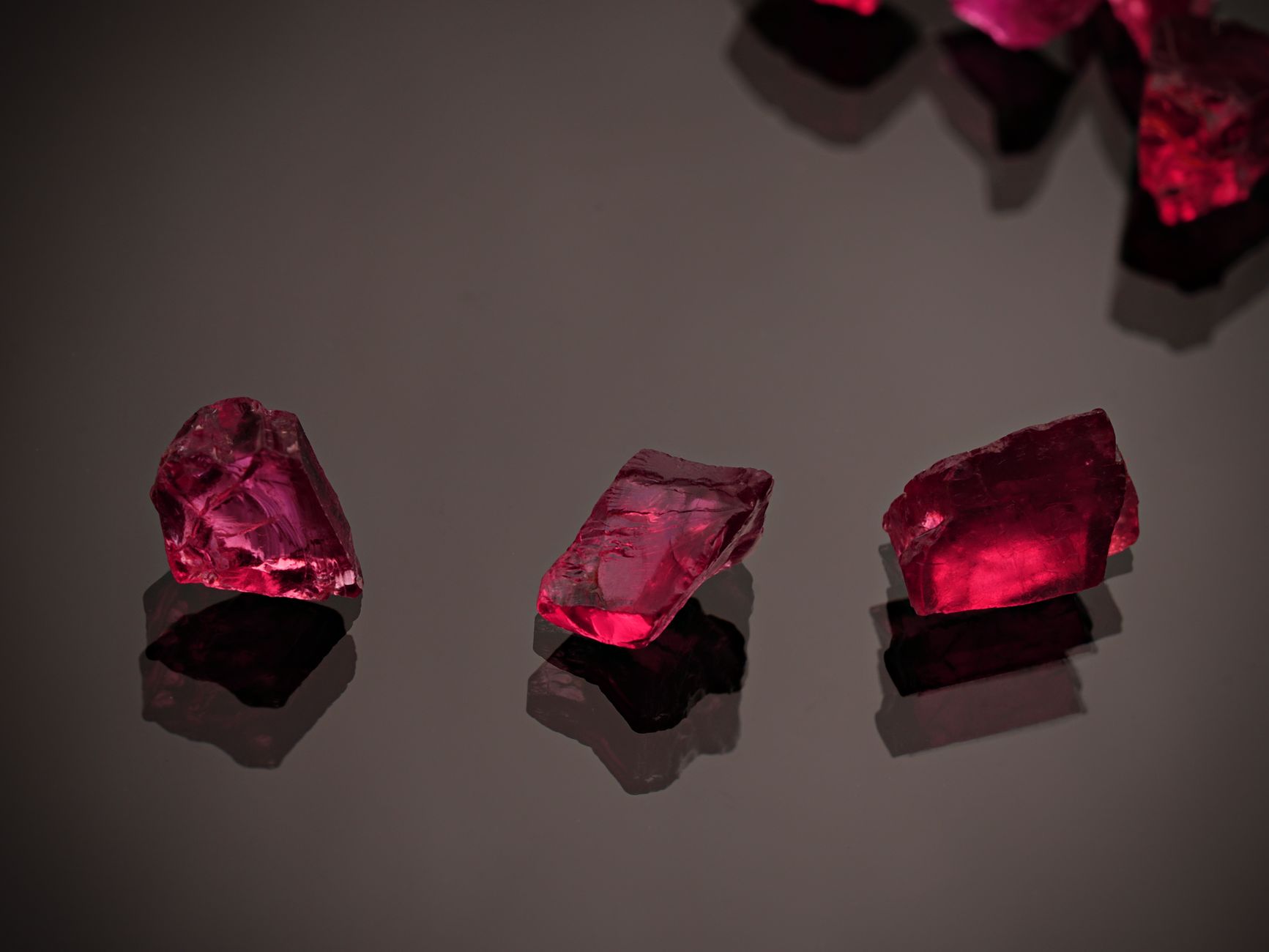
What Are the Benefits of Wearing Gomed Ratna?
Gomed Ratna is traditionally believed to support mental clarity, improve focus, and help balance the chaotic energies of Rahu, the North Node of the Moon, according to Vedic astrology. Because Rahu often represents illusion and chaos, this hessonite garnet is frequently used to help balance these energies. Many practitioners suggest that wearing Gomed may support mental clarity and improve focus, potentially clearing the fog of confusion that some experience during challenging periods.
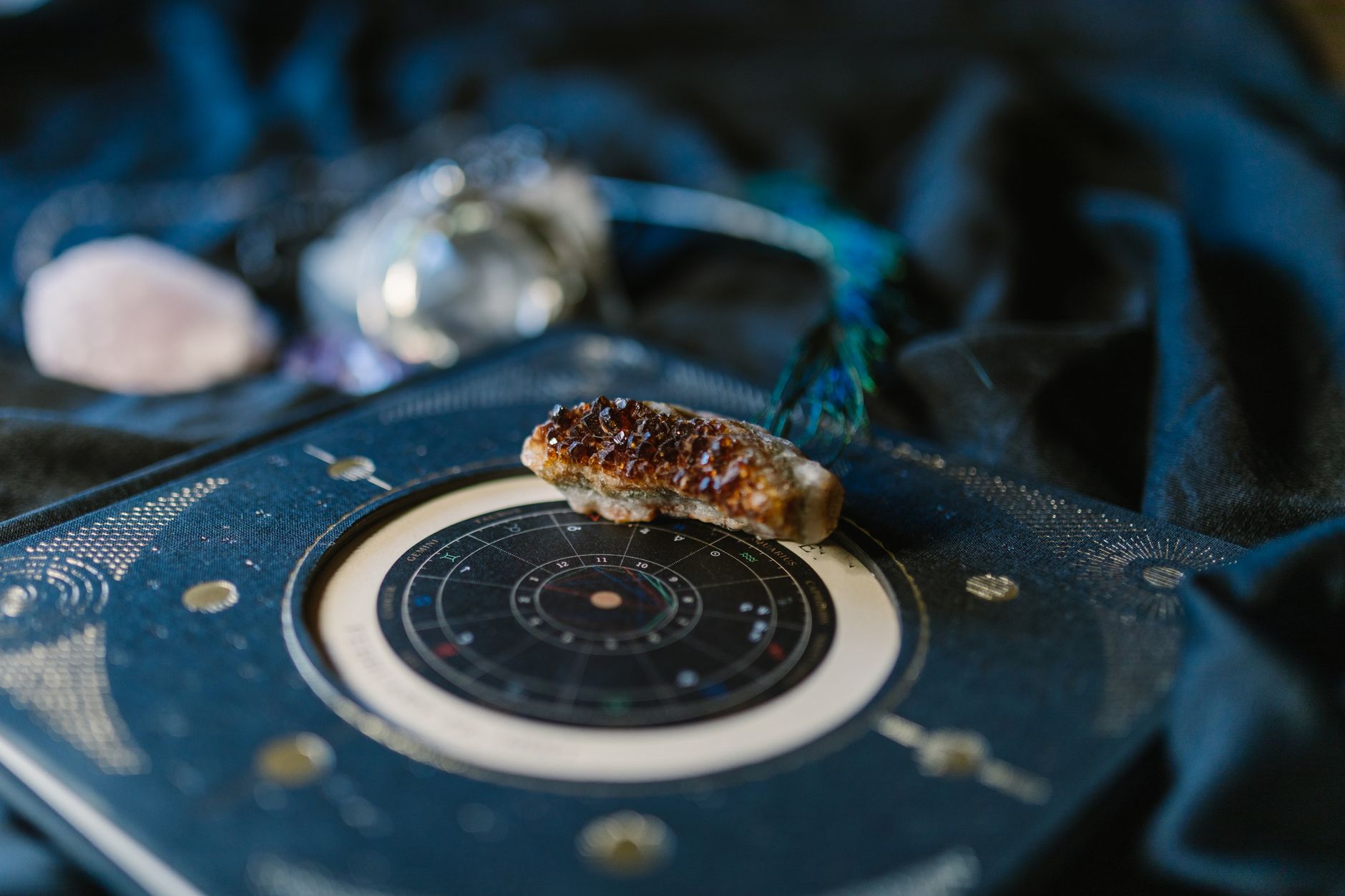
Those going through a Rahu Mahadasha (a major planetary period) often look to this stone for support. Classical texts suggest it can help mitigate the unpredictable nature of this cycle, potentially easing the mental stress or disorientation associated with it. By grounding the wearer, the stone may encourage a more structured approach to life's hurdles.
It is important to remember that gemstones act as subtle influences rather than instant fixes. While some find that Gomed helps them perceive the truth more clearly, the effects vary from person to person. Because Rahu's energy is so potent, traditional wisdom suggests consulting a qualified astrologer to ensure the stone aligns with your specific birth chart. This measured approach helps avoid potential imbalances and ensures the gemstone is used as a supportive tool rather than a primary solution.
Talk to an astrologer about the right gemstone for you. First message free · ₹25/min
Which Planet Does Hessonite Garnet Represent in Vedic Astrology?
In Vedic astrology, Hessonite Garnet — known as Gomed — is traditionally associated with Rahu, a lunar node often called a shadow planet (Chhaya Graha) rather than a physical celestial body. Unlike the classical planets, Rahu is not a physical celestial body but a lunar node. It represents the point where the Moon's orbit intersects the ecliptic, creating an invisible force that influences the birth chart.
Because Rahu lacks a physical form, its energy tends to be elusive and unconventional. Classical texts associate this shadow planet with sudden changes, worldly desires, and the feeling of restlessness. When Rahu creates a dosha—an astrological imbalance or affliction in a birth chart—it can manifest as confusion or obstacles in specific areas of life.
Gomed is used as a rahu gemstone because its honey-brown hue and energetic properties are believed to resonate with this node's frequency. Wearing the stone may help some individuals balance the erratic tendencies of Rahu, potentially bringing clarity to a clouded mind. However, since Rahu's influence is highly unpredictable, the effects of Gomed can vary greatly from person to person. It is often suggested to consult a professional to see if the stone aligns with your specific planetary placements before wearing it.
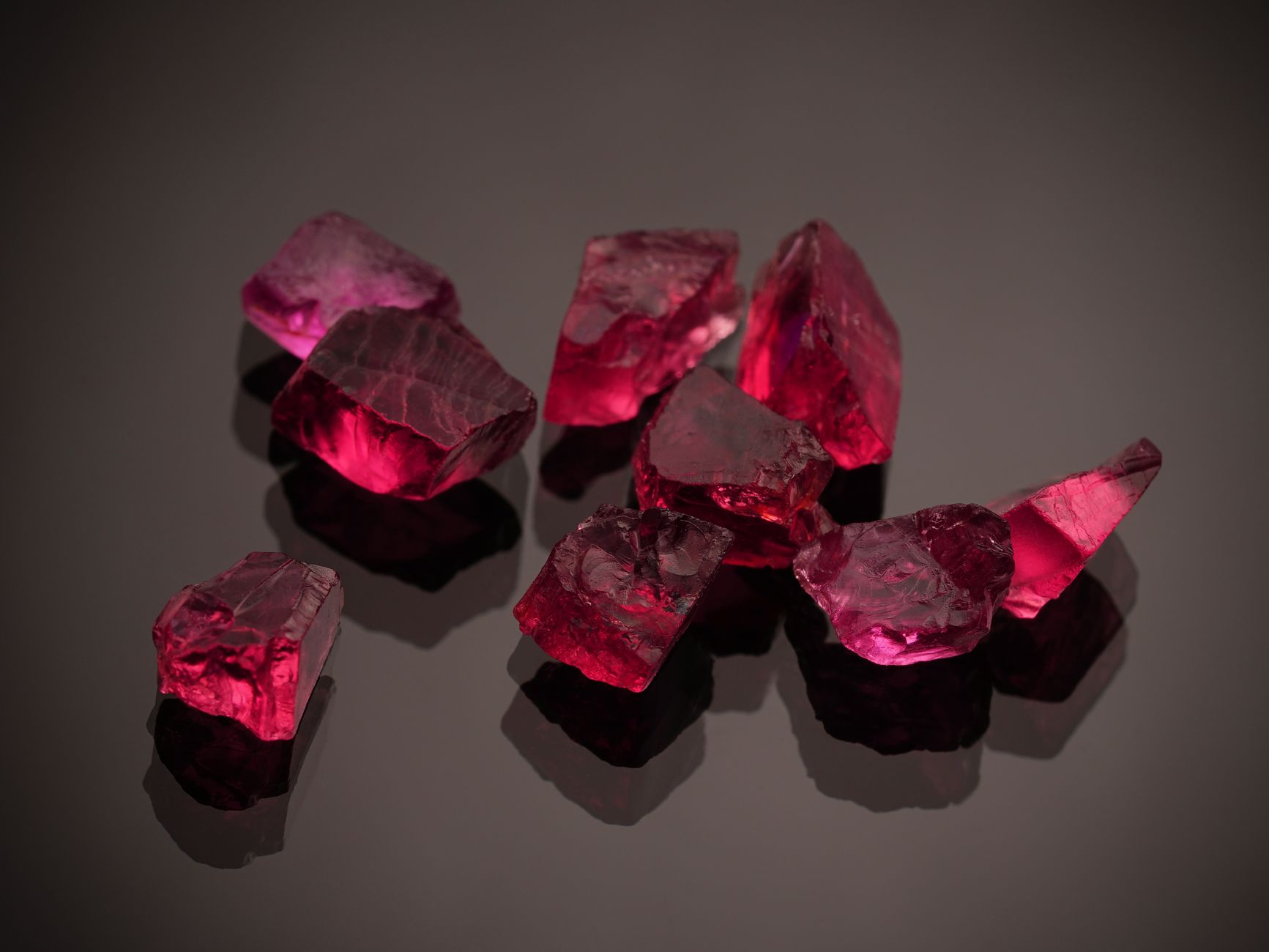
Who Should Wear Hessonite Garnet According to Vedic Astrology?
According to Vedic astrology, Hessonite Garnet (Gomed) is most traditionally recommended for those experiencing a Rahu Mahadasha or Antardasha, or whose birth chart shows Rahu placed in houses that may benefit from strengthening — though a jyotishi's careful analysis of the individual chart is considered essential before wearing it. In Vedic astrology, the Hessonite Garnet, or Gomed, is the gemstone associated with Rahu, the North Node of the Moon. Because Rahu is a shadow planet with a powerful and often unpredictable influence, a jyotishi (astrologer) typically recommends this stone only after a careful analysis of the birth chart.
Traditionally, Gomed may be suggested during a Rahu Mahadasha or Antardasha—the major and minor planetary periods—when the native tends to experience the specific thematic energies of Rahu. It is also often considered when Rahu occupies specific houses that can be strengthened to potentially ease life's obstacles. Furthermore, some practitioners suggest Gomed as a traditional remedy for Kaal Sarp Dosha. This is a specific dosha (astrological imbalance) where all seven classical planets are hemmed between Rahu and Ketu on the same side of the chart, which classical texts associate with recurring struggles or delayed achievements.
Understanding who should wear gomed stone is crucial before proceeding. Because Rahu can amplify both positive and negative tendencies, wearing the stone without proper guidance can sometimes lead to unexpected restlessness or imbalance. A personalised chart reading is essential to ensure the stone aligns with your unique planetary placements. Your astrologer can determine if Gomed is appropriate for your specific karma and advise on the correct finger and metal for wearing it.
How to Wear Gomed Stone: Rules and Ritual for Rahu Remedies
In Jyotish tradition, wearing a Gomed stone as a Rahu remedy typically involves setting the stone in silver or panchdhatu (a five-metal alloy), placing it on the middle finger of the right hand, and beginning the practice on a Saturday evening or Wednesday — though specific details can vary based on the individual's birth chart. In Jyotish (Vedic astrology), the process of wearing a Gomed stone is traditionally viewed as a way to align oneself with the energies of Rahu. Following the gomed stone wearing rules means setting the stone in silver or panchdhatu, a traditional five-metal alloy. The most common placement is the middle finger of the right hand, though some traditions suggest the ring finger depending on the specific chart.
Timing is considered important in these rituals. Practitioners often choose Saturday evening or a Wednesday to begin wearing the stone. Regarding weight, the recommendation varies based on body weight and the strength of Rahu in the kundli (birth chart), though a professional consultation is usually suggested to determine the appropriate carat.
Before wearing the gemstone, it is a common practice to purify the stone in raw milk or Ganga water. To activate the stone, the wearer may chant the Rahu mantra: "Om Raam Rahve Namaha". This ritual is not a guarantee of a specific outcome but is traditionally intended to help the wearer resonate with the stone's properties. As with any gemstone, these practices are tendencies within the tradition rather than certainties, and the experience can vary from person to person.
In Which Finger Should Gomed Stone Be Worn?
Gomed (Hessonite Garnet) is traditionally recommended to be worn on the middle finger of the right hand, as this finger is associated with Saturn in Vedic palmistry and Jyotish astrology, and Rahu — the shadow planet linked to Gomed — is frequently viewed as a counterpart or "friend" to Saturn. Since Rahu, the shadow planet linked to Gomed, is frequently viewed as a counterpart or "friend" to Saturn, this finger is thought to be a suitable channel for the stone's energy.
Following these gomed stone wearing rules may help in balancing the erratic tendencies often associated with Rahu. However, it is important to remember that these placements are based on traditional tendencies rather than fixed rules. Some lineages or regional practitioners might suggest different fingers based on the specific placement of Rahu in a person's birth chart.
Because Gomed is a powerful stone, some practitioners suggest wearing it on the middle finger of the left hand for those who prefer a more passive influence. You may find varying advice depending on the school of thought your consultant follows. It is generally suggested to consult a trusted astrologer to see which placement aligns with your unique planetary positions, as the effect of a gemstone can vary from person to person.
Can Hessonite Garnet Be Worn with Other Gemstones?
Hessonite Garnet (Gomed) can generally be worn alongside stones of planets considered friendly to Rahu, while combinations with stones of enemy planets are traditionally advised against — though every pairing ultimately depends on an individual's unique birth chart. Since Gomed (Hessonite Garnet) represents Rahu, its compatibility with other stones follows the traditional friendships and enmities of the planetary lords.
Generally, Gomed may be worn alongside stones of friendly planets. For example, Cat's Eye (representing Ketu) is often considered harmonious with Hessonite because Rahu and Ketu are two halves of the same axis. Similarly, stones for Venus or Saturn can sometimes be compatible, as these planets often share a friendly bond with Rahu in classical texts. This is a useful consideration in hessonite garnet Vedic astrology when building a gemstone combination.
Conversely, practitioners traditionally suggest avoiding the combination of Gomed with stones of enemy planets. Ruby (Sun), Pearl (Moon), and Red Coral (Mars) are often avoided. The logic rests on the belief that Rahu tends to eclipse the Sun and Moon, and maintains a volatile relationship with Mars. Wearing these opposing stones together may create conflicting energies in the wearer's life.
Because every birth chart is unique, these combinations are tendencies rather than strict rules. A specific placement or a particular dosha (an astrological imbalance) might change how a stone interacts with another. It is always a gentle practice to consult a qualified astrologer to ensure the combination aligns with your specific planetary positions.
What Are the Side Effects of Wearing Gomed Ratna?
Gomed ratna can produce side effects in some wearers, including restlessness and vivid or unsettling dreams, particularly when the stone is not well-suited to an individual's birth chart. While gomed ratna benefits are well-documented in Vedic tradition, the stone is not suitable for every individual. In Vedic astrology, Rahu is a complex shadow planet, and its gemstone can sometimes trigger intensified experiences. In some cases, the stone may seem to aggravate the very themes Rahu governs, such as confusion or sudden impulsivity.
These reactions are generally viewed not as harmful events, but as signals. When a person experiences these shifts, it often suggests that the stone might not be compatible with their specific birth chart or current planetary period. Because gemstones act as amplifiers, wearing a stone that does not align with your horoscope can potentially create imbalance.
If you notice these patterns, there is no reason for alarm. It simply means the energy of the Hessonite Garnet may not be the right fit for you at this time. We encourage you to consult a trusted Vedic astrologer to review your chart before continuing. A professional can help determine if the stone should be removed or if a different traditional remedy might be more appropriate for your unique cosmic alignment.
How to Identify a Genuine Gomed Ratna
A genuine Gomed Ratna (Hessonite Garnet) can be identified by its warm, honey-brown to orange-brown colour and the presence of distinctive internal inclusions that often resemble flowing liquid or small "sugar-like" crystals trapped within the gem. Finding a genuine Gomed Ratna requires a careful eye, as the stone possesses distinct physical traits that separate it from synthetic alternatives.
Beyond the visual appearance, the physical properties of the mineral provide a reliable baseline. Hessonite has a specific gravity and a level of hardness that distinguish it from glass or lesser garnets. While a seasoned gemologist can often spot these differences, the most dependable way to verify your stone is through a professional laboratory certification. A certificate from a reputable lab confirms the stone's origin and ensures it is not a treated or synthetic imitation.
In the tradition of Jyotish (Vedic astrology), the purity of the gemstone is considered important because the stone is intended to act as a conduit for planetary energies. This is especially relevant when following classical gomed stone wearing rules, which emphasise using only natural, untreated stones. Choosing such a stone ensures that you are following the classical guidelines of the tradition. Always prioritise certified stones to ensure you receive a genuine piece of nature.
Frequently Asked Questions
How long does it take for gomed ratna to show effects?
In Jyotish tradition, the effects of a Gomed stone may vary from person to person. Some individuals may notice subtle shifts within a few weeks, while for others, the tendencies may take several months to manifest.
Does gomed ratna suit all ascendants?
Traditionally, Gomed is not considered suitable for all ascendants. It is generally recommended only for specific charts where Rahu is positioned favourably, as wearing it without a proper analysis of the kundli (birth chart) may lead to imbalances.
Can gomed stone be worn during pregnancy?
Classical Vedic astrology often suggests caution with potent gemstones during pregnancy. It is traditionally advised to consult a professional astrologer to ensure the stone's energies align with the needs of both the mother and the unborn child.
How do I energise or activate a gomed stone before wearing it?
To activate a Gomed stone, traditional practices often involve purifying it with Ganga water and raw milk. Reciting specific Rahu mantras during a favourable lunar phase is also a common method used to align the stone with the wearer's energy.
What is the minimum carat weight recommended for gomed ratna?
There is no single universal weight, as the required caratage tends to depend on the wearer's body weight and the strength of Rahu in their chart. An experienced astrologer typically suggests a weight that balances the stone's influence without becoming overwhelming.
Images: RDNE Stock project via Pexels, Abdul Matloob via Pexels.
 Astrologger