What Is Yellow Sapphire and How Does It Relate to Jupiter in Vedic Astrology?
Yellow sapphire — also called Pukhraj — is the yellow variety of the mineral corundum and serves as the primary gemstone for Jupiter (Brihaspati) in the tradition of Jyotish (Vedic astrology). Both names refer to the same gemstone, and understanding yellow sapphire gemstone benefits begins with knowing this planetary connection.
Jupiter often represents wisdom, expansion, and spiritual growth. Because this planet governs our sense of optimism and higher learning, Pukhraj is traditionally used to align a person with these expansive energies. In the Vedic system, gemstones are thought to act as filters for planetary rays, meaning a yellow sapphire Jupiter gemstone may help a wearer channel the qualities of Jupiter more effectively.
It is important to remember that gemstones carry tendencies rather than certainties. Classical texts associate Pukhraj with prosperity and knowledge, yet the effects can vary based on an individual's unique birth chart. For instance, Jupiter's movement through the zodiac — such as its transition through Gemini, Cancer, and Leo during 2026 — can influence how planetary energies manifest. Because every chart is different, this stone may suit some people while remaining neutral or unsuitable for others. Consulting a knowledgeable practitioner helps determine if the stone aligns with your specific planetary placements.
Talk to an astrologer about the right gemstone for you. First message free · ₹25/min
Who Should Wear Yellow Sapphire According to Vedic Astrology?
According to Vedic astrology, who should wear yellow sapphire depends primarily on the birth chart — specifically the Lagna (ascendant) and Jupiter's placement and lordship — rather than the Sun sign alone. Traditionally, those born under Sagittarius or Pisces ascendants may find this gemstone beneficial, as Jupiter serves as their Lagna Lord. Similarly, people with Aries, Cancer, Leo, or Scorpio ascendants often find that a strengthened Jupiter supports their growth, as it may rule auspicious houses like the 2nd, 5th, or 11th.
Not every chart benefits from enhancing Jupiter, however. For those with Taurus, Gemini, Virgo, Libra, Capricorn, or Aquarius ascendants, Jupiter can sometimes rule challenging houses. In such cases, wearing a Pukhraj might potentially amplify those difficulties.
It is also important to consider if Jupiter is involved in a Dosha (an astrological imbalance or affliction). If the planet is heavily afflicted, a gemstone may not always be the most balanced approach. Because every individual chart is unique, a gemstone can either support a weak but positive planet or inadvertently strengthen a planet that causes friction. Consulting a knowledgeable practitioner helps ensure the stone aligns with your specific planetary positions and current dasha periods.
What Are the Recognised Pukhraj Ratna Benefits?
In Vedic astrology, Pukhraj (Yellow Sapphire) is traditionally recognised for benefits tied to Jupiter's qualities of expansion and wisdom, including tendencies toward higher education, spiritual growth, financial opportunity, and marital harmony. Because Jupiter represents these qualities, this gemstone often serves as a tool to align oneself with those energies. Classical texts suggest that wearing a well-placed Pukhraj may encourage a natural inclination toward higher education and a deeper pursuit of knowledge.
For many, the stone is linked to tendencies of spiritual growth and a more philosophical outlook on life. In terms of material well-being, a supportive Jupiter can foster opportunities for wealth and financial stability — a core theme in yellow sapphire stone astrology. Regarding personal life, practitioners suggest that Pukhraj may promote marital harmony and a sense of peace within the home.
These outcomes are correlational rather than promised. A gemstone does not create a result from nothing; instead, it may amplify the existing strengths of Jupiter in an individual's birth chart. Whether these benefits manifest depends on the unique placement of the planets. Because every chart is different, the effects of the stone can vary, and it is generally suggested to consult a professional to see if the energy suits your specific cosmic blueprint.
Who Should Wear Yellow Sapphire, and Are There Restrictions?
Pukhraj (Yellow Sapphire) is not a universally suitable gemstone. Vedic astrology suggests it may not suit everyone, and wearing it without consulting a professional can potentially lead to neutral or even adverse results depending on Jupiter's placement in an individual's birth chart. Jupiter is generally seen as a benevolent planet, yet wearing a gemstone tends to amplify the qualities of the planet it represents — which can lead to neutral or even adverse results if Jupiter is poorly placed or governs challenging houses.
Traditionally, those with certain ascendants may find that Yellow Sapphire creates imbalances. If Jupiter rules a house associated with struggle or sits in a sign where it feels uncomfortable, the gemstone can potentially intensify those specific challenges. In some cases, a particular planetary combination may create a Dosha (an astrological imbalance or affliction), which might make wearing Pukhraj less ideal.
Because every birth chart is unique, a professional reading is highly recommended before purchase. An astrologer can evaluate whether Jupiter acts as a functional benefic or malefic for your specific alignment. This careful analysis helps determine if the stone may support your growth or if it might lead to side effects like restlessness or unexpected obstacles. Tailoring the choice to your personal chart, rather than following general advice, ensures the gemstone aligns with your natural tendencies.
Which Finger and Metal Should Yellow Sapphire Be Set In for Best Results?
In Jyotish (Vedic astrology), yellow sapphire is traditionally set in gold and worn on the index finger of the right hand, as this finger and metal are classically associated with Jupiter. The index finger carries Jupiter's association with wisdom and expansion, and wearing the stone here may help in better channeling these qualities.
Gold is the preferred metal for this setting, traditionally viewed as Jupiter's own metal. A gold setting tends to complement the gemstone's vibration, potentially enhancing its perceived effects. For those who find gold unsuitable or prefer an alternative, silver is often suggested as a secondary option.
Regarding size, Vedic tradition generally suggests that the weight should be proportional to the wearer's body weight. Guidelines vary among practitioners, but the goal is to ensure the stone is large enough to be effective without becoming cumbersome. As with all gemstones, these practices are traditional tendencies rather than certainties, and it is often recommended to consult a professional to ensure the stone aligns with your specific kundli (birth chart).
How Do You Know If Yellow Sapphire Suits You? A Practical Trial Method
In the Jyotish (Vedic astrology) tradition, a common practical method for determining whether yellow sapphire suits you is to wear the stone temporarily for seven days and observe any shifts in your mood, sleep, and daily circumstances before committing to a permanent setting. Because every individual responds differently, many practitioners suggest this trial period — an important consideration for anyone exploring who should wear yellow sapphire.
Rather than setting it in gold immediately, you can place the stone in a small cloth pouch or wrap it in yellow silk and keep it under your pillow or tied to your arm. During this period, simply observe your internal and external environment.
Pay attention to your mood, the quality of your sleep, and any unusual shifts in your daily circumstances. A sense of ease or natural flow in your affairs may suggest the stone suits your current energy. Conversely, restlessness or unexpected friction can be a sign that the gemstone is not aligning with you at this time.
Maintaining realistic expectations matters here. "Suiting" a stone does not mean an overnight transformation. Instead, it refers to a general harmony between the gemstone's properties and your own nature. This trial is a gentle way to see if the traditional associations of Jupiter align with your lived experience.
What Are the Possible Side Effects of Wearing Yellow Sapphire?
Yellow sapphire is not suitable for everyone. In Vedic astrology, wearing it when Jupiter is debilitated, combust, or rules unfavorable houses in a birth chart can sometimes lead to imbalances or what is known as a dosha — an astrological affliction. Pukhraj is celebrated for its benevolence, yet understanding who should wear yellow sapphire is an important first step before adopting the stone.
When the energy of Jupiter becomes excessive or poorly channeled, some people report tendencies toward over-optimism. This may manifest as unrealistic financial expectations or overextension of resources. Because Jupiter governs expansion, an unsuitable stone can sometimes correlate with physical expansion, such as unexpected weight gain or a tendency toward lethargy. In some cases, it can lead to an inflated sense of confidence that may cloud practical judgment.
These experiences are not inevitable, but they serve as reminders that gemstones are powerful tools. Rather than feeling concerned, it is helpful to view these possibilities as a reason for caution. A consultation with a qualified Vedic astrologer can help determine if your current planetary placements support the use of a yellow sapphire. Professional guidance ensures the stone aligns with your unique chart, helping you avoid potential imbalances while seeking the traditional benefits of the Guru.
How to Wear Yellow Sapphire: Vedic Ritual, Day, and Mantra
In Vedic astrology, yellow sapphire is traditionally worn on a Thursday morning as part of a mindful ritual intended to align the wearer with the energies of Jupiter. To further align with the planetary timing, many practitioners suggest wearing the stone during the Jupiter hora, a specific one-hour window associated with the planet.
The ritual typically begins with a cleansing procedure to purify the gemstone. The stone may be dipped in a mixture of raw milk and Ganga jal (holy water), or honey, to remove any lingering energies. Once cleansed, the gemstone is usually set in gold, as this metal is traditionally associated with Jupiter.
To invite the positive tendencies of the planet, the wearer may recite the Jupiter beej mantra (seed mantra): Om Gram Greem Graum Sah Gurave Namah. In classical practice, this mantra is often repeated 108 times using a rudraksha or sandalwood mala (prayer beads). This process is not seen as a guarantee of specific results, but rather as a way to set a conscious intention. By following these traditional steps, the wearer seeks to harmonise their personal energy with the expansive and wisdom-oriented nature that Jupiter represents in Vedic texts.
How to Choose a Quality Pukhraj Stone: Origin, Clarity, and Certification
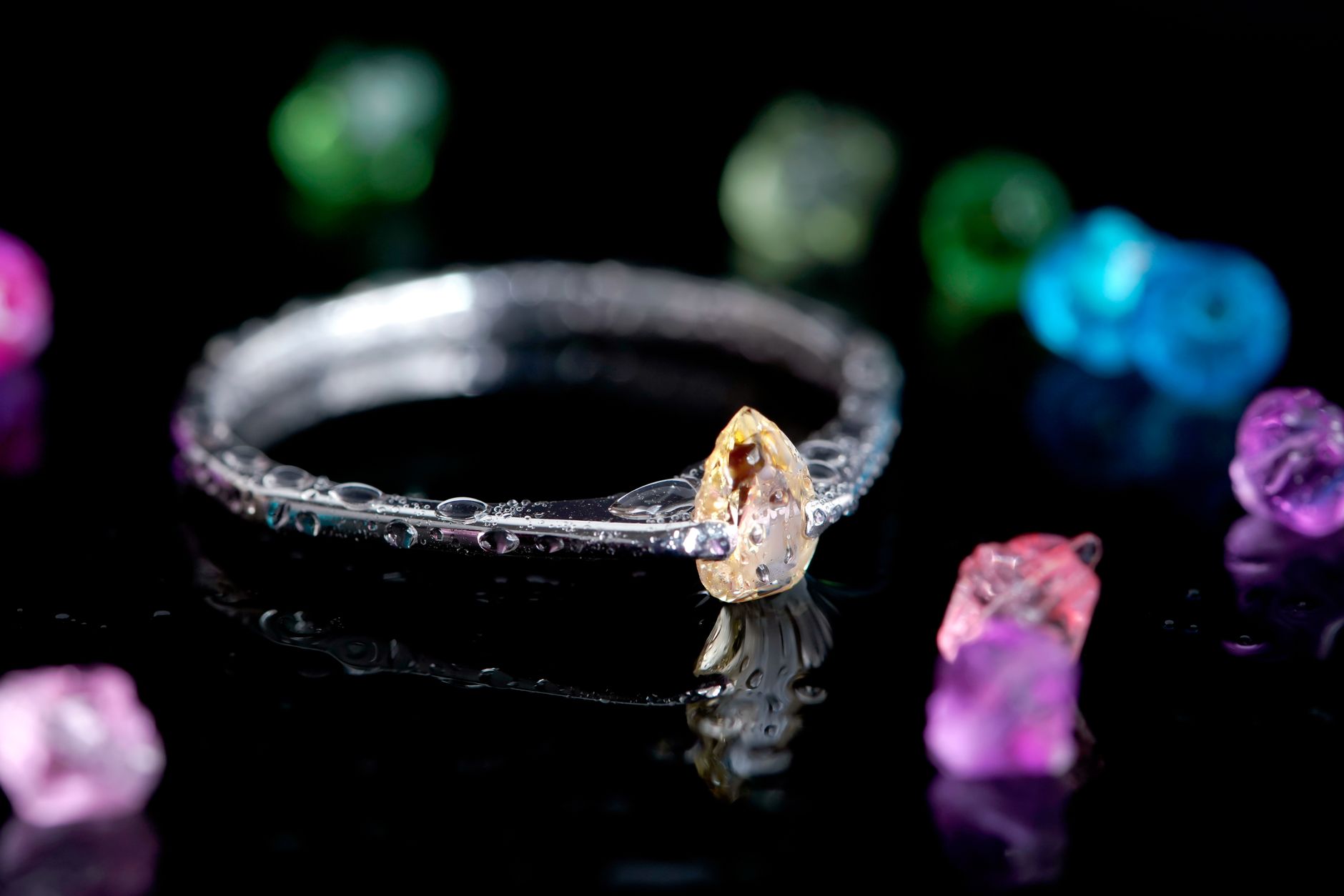
Choosing a quality Pukhraj (yellow sapphire) depends on three key factors: origin, clarity, and certification from a reputable gem lab. In the gemstone market, origin often influences the hue and value. Ceylon sapphires from Sri Lanka are traditionally prized for their bright, golden-yellow tones. Bangkok sapphires may appear more orange or deep yellow, while African stones often show a different saturation.
Clarity is another essential factor. For the purposes of Vedic astrology, a stone that is eye-clean — meaning it has no visible inclusions or cracks to the naked eye, is often preferred. You may encounter "natural" stones and "heated" stones. Heating is a common industry practice to improve colour, yet many practitioners prefer unheated gems to maintain the stone's original state.
To avoid common pitfalls, always request a certificate from a reputable gem lab. A lab report confirms the stone's authenticity, origin, and whether it has undergone any treatments. This ensures you receive a genuine natural sapphire rather than a synthetic alternative or a different yellow mineral. Taking these steps allows you to choose a stone with confidence, ensuring the gem aligns with the quality standards typically suggested in Jyotish tradition, an important consideration for anyone exploring pukhraj ratna benefits through an authentic, well-sourced stone.
Frequently Asked Questions
What is the difference between pukhraj and yellow sapphire?
There is no difference between the two; Pukhraj is simply the Hindi name for the yellow sapphire gemstone. In Jyotish tradition, both terms refer to the same gemstone associated with the planet Jupiter.
Which finger should yellow sapphire be worn on?
Traditionally, a yellow sapphire is worn on the index finger of the right hand. This placement is associated with the energy of Jupiter, which governs wisdom and leadership in classical Vedic astrology.
Does yellow sapphire have any side effects if Jupiter is weak in the chart?
In some traditional views, wearing a gemstone for a planet that is poorly placed or causing a dosha (an astrological imbalance) may potentially amplify those challenges. It is generally suggested to consult a practitioner to see if the stone aligns with your specific chart tendencies.
How do I know if yellow sapphire suits me before buying?
Some practitioners suggest a trial period, such as placing the stone under your pillow or taping it to your arm for a few days. This is traditionally done to observe if you experience any positive or negative tendencies before committing to a permanent piece of jewellery.
Can yellow sapphire be worn along with other gemstones?
Yellow sapphire can often be worn with gemstones of friendly planets, such as those for the Sun or Mars. However, classical texts suggest caution when pairing it with stones of planetary rivals to avoid conflicting energies.
Which metal gives the best results for a yellow sapphire ring?
Gold is traditionally considered the most auspicious metal for a yellow sapphire, as it resonates with the solar and Jovian energies. Some people also choose panchdhatu (a five-metal alloy) depending on the specific recommendations of their tradition.
Images: Amazing Clicks by Arjun via Pexels, Stephen Leonardi via Pexels.
 Astrologger