What Are the Chhath Puja 2026 Dates and Full Schedule?
Chhath Puja 2026 spans four days from November 13 to November 16, with the main festival day (Sandhya Arghya) falling on November 15, 2026. This sacred journey spans four days of rigorous fasting and prayer, each day carrying a specific spiritual purpose.
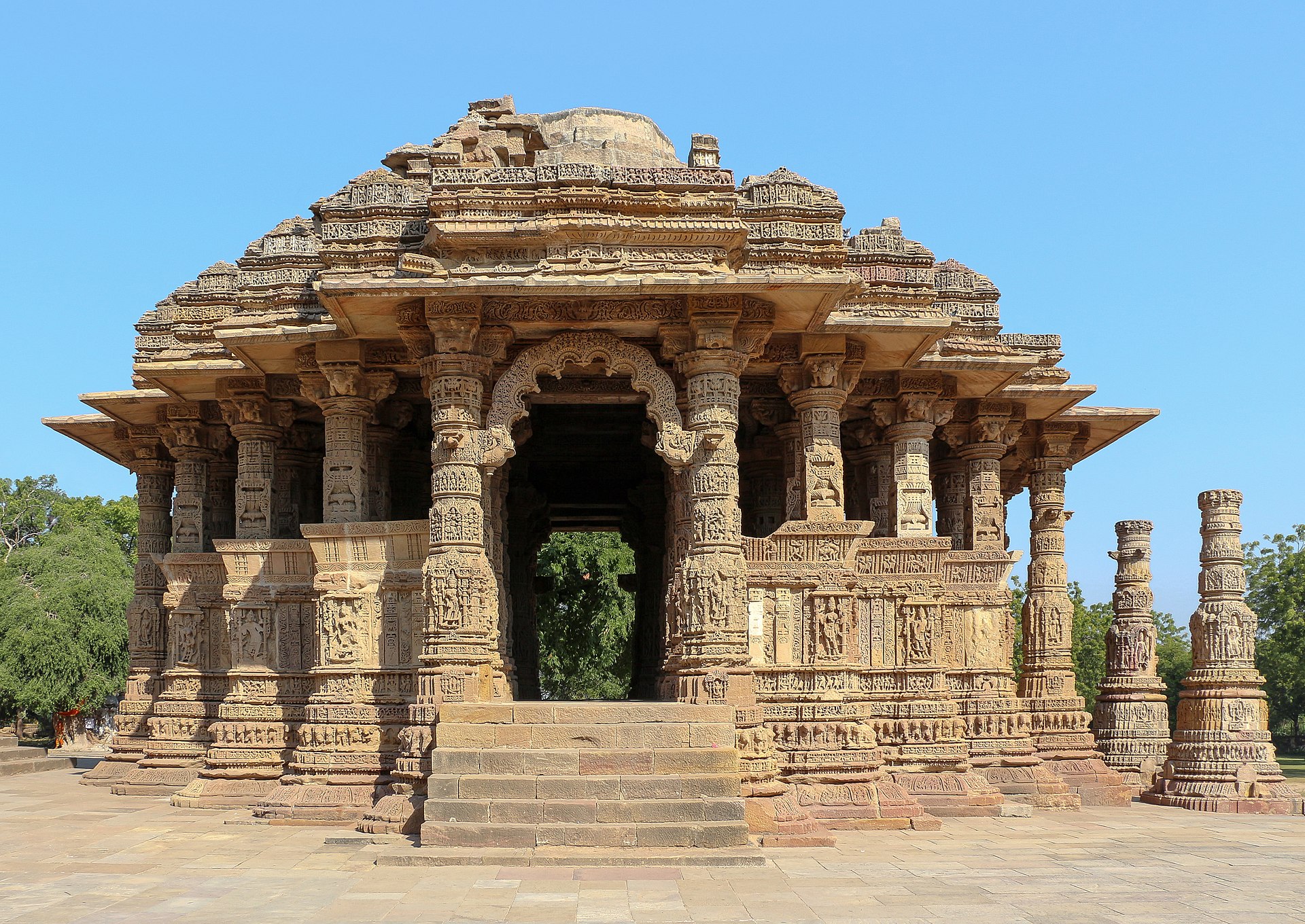
The schedule for Chhath Puja 2026 is as follows:
- Nahay Khay (Holy Bath): November 13, 2026. This day marks the beginning with a ritual bath and a simple, pure meal.
- Kharna (The Fast of Grain): November 14, 2026. Devotees observe a fast, breaking it after sunset with a special offering of kheer and roti.
- Sandhya Arghya (Evening Offering): November 15, 2026. This is the time for the first offering to the setting sun, traditionally performed at a riverbank or water body.
- Usha Arghya (Morning Offering): November 16, 2026. The festival concludes with the final offering to the rising sun, marking the end of the fast.
Referring to a reliable chhath puja 2026 calendar helps practitioners align their energy with the solar cycle. In Vedic tradition, these timings often correlate with specific lunar phases that can influence our inner peace and discipline. While the exact timings for Arghya (offerings) may vary slightly based on your local sunrise and sunset, adhering to this sequence helps in maintaining the spiritual flow of the vrata (vow).
Talk to an astrologer about your prayers and remedies. First message free · ₹25/min
What Time Is the Sunset Arghya on Chhath Puja 2026?
The Sandhya Arghya (evening offering) on Chhath Puja 2026 takes place at sunset on November 15, 2026, with the exact time varying by city — around 5:00 PM in Patna, slightly earlier in Varanasi, and toward 5:50 PM in Mumbai. Because the chhath puja 2026 sunset and sunrise timing varies by geography, devotees in different cities observe the ritual at slightly different moments. It is always a good practice to check your local panchang (astrological calendar) for the exact chhath puja arghya time 2026 in your city.
During this window, the Vrati (the devotee observing the fast) stands in a water body, facing the setting sun. They offer milk, water, and seasonal fruits in a bamboo basket known as a soop. This act of offering arghya (libation) to the setting sun is a rare tradition in Vedic worship. While many rituals focus on the rising sun, Chhath Puja honors the cycle of completion and gratitude. From an astrological perspective, this practice tends to align the practitioner with the solar energy of the day, which can foster a sense of inner peace and spiritual discipline. The atmosphere is often filled with traditional folk songs and a deep sense of communal faith.

What Time Is the Sunrise Arghya on Chhath Puja 2026?
The Sunrise Arghya (Usha Arghya) on Chhath Puja 2026 is performed at the precise moment of sunrise on 16 November 2026, the festival's final day. This ritual marks the culmination of the fast, where devotees offer water and milk to the rising Sun. Because chhath puja 2026 sunset and sunrise timing varies by location, it is helpful to check your local panchang (astrological calendar) for the exact minute. In cities like Patna or Varanasi, sunrise typically occurs between 6:15 AM and 6:30 AM during mid-November, while timings in Delhi or Mumbai may differ slightly.
Offering arghya at the exact moment of sunrise carries deep significance in Vedic tradition. This transition from darkness to light is often seen as a powerful time for spiritual renewal. From an astrological perspective, the rising Sun represents the soul and the beginning of a new cycle of energy. By aligning the ritual with the first rays of light, practitioners seek to harmonize their internal energy with the cosmic rhythm. This practice can foster a sense of gratitude and mental clarity, as the Sun is traditionally associated with health, vitality, and the removal of ignorance. It is a moment of surrender and hope, where the devotee acknowledges the Sun as the primary source of life on Earth.
Which Tithi and Nakshatra Fall During Chhath Puja 2026?
Chhath Puja 2026 falls on the Shukla Shashthi tithi — the sixth lunar day of the waxing moon in the Kartik month — on 15 November 2026, with the prevailing nakshatra (lunar mansion) of that day shaping the spiritual atmosphere of the observance. The timing of the festival varies each year because the Hindu panchang (astrological calendar) relies on the lunar cycle rather than a fixed solar date. This lunar-based system ensures that the rituals align with the specific phases of the moon and the shifting positions of the stars — a dimension of chhath puja astronomy and astrology that gives the festival its precise, ever-shifting character.
During this period, the moon's placement and the active nakshatra can influence the general energy of the day. The combination of the Shashthi tithi and the prevailing nakshatra often creates a spiritual atmosphere that supports devotion and purification. In Vedic tradition, the alignment of these celestial markers tends to highlight the connection between human consciousness and the solar energy of Surya.
By tracking these movements, the panchang helps devotees identify the most auspicious moments for the evening and morning arghya (offerings of water). While the date shifts on the Gregorian calendar, the spiritual essence remains tied to these lunar transitions, as the festival celebrates the Sun's role in sustaining life. These astrological timings may offer a sense of harmony and renewal for those who follow the traditional rituals.
Why Is the Sun Worshipped During Chhath Puja?
The Sun is worshipped during Chhath Puja because, in Vedic tradition, Surya is regarded as the primary source of energy and the sustainer of all life on Earth, and the festival is traditionally associated with gratitude for the light and warmth that allow nature to flourish. This practice often focuses on both the setting and rising Sun, reflecting a spiritual understanding that life is a cycle of endings and new beginnings.
Alongside Surya, the tradition honours Chhathi Maiya, who is often identified as the sister of the Sun god or a manifestation of the divine feminine energy. She is traditionally viewed as the protector of children and the granter of longevity. By offering Arghya (water offerings) to the Sun, devotees seek to align themselves with the cosmic rhythm.
From the perspective of Chhath Puja sun worship significance, the Sun represents the soul, authority, and vitality in a Vedic birth chart. Engaging in these rituals may be seen as a way to cultivate inner strength and mental clarity. These practices are rooted in a deep respect for the natural world, treating the environment and the celestial bodies as extensions of the divine. This celebration remains a beautiful example of how ancient traditions honour the fundamental elements that support human existence.
What Is the Astronomical Reason Behind Chhath Puja Timing?
Chhath Puja is timed astronomically to fall on Kartik Shukla Shashthi — the sixth day of the waxing moon in the month of Kartik, six days after Diwali — a period when, from the standpoint of Chhath Puja astronomy and astrology, the Sun occupies a specific position in the ecliptic marking a transition in the seasonal cycle traditionally seen as a time of balance and renewal.
The practice of offering Arghya (water offerings) during the two twilight periods—sunset and sunrise—carries deep significance. In Vedic traditions, these moments are considered "Sandhya," or the junction points where the energy of the day and night meet. Worshipping the setting sun may symbolise gratitude for the day's sustenance and the acceptance of the cycle of decline, while the rising sun often represents hope and the spark of new beginnings.
By focusing on these specific transitions, practitioners tend to align themselves with the natural rhythms of the cosmos. This dual worship can be viewed as a way to honour the complete solar cycle, acknowledging that every end is a precursor to a new start. Such practices often reflect a desire to harmonise one's internal energy with the external movements of the celestial bodies.
What Is the Astrological Significance of Chhath Puja Sun Worship in Vedic Astrology?
In Vedic astrology, the astrological significance of Chhath Puja sun worship lies in its capacity to align the devotee with the Sun's primordial light, as the Sun is regarded not merely as a celestial body but as the Atmakaraka, or the significator of the soul. Within a birth chart, the Sun represents our core identity, vitality, and the spark of consciousness. Because this luminary is seen as the source of all energy, these rituals offer a means of deepening that connection.
Practising the rituals of Chhath Puja, such as offering Arghya (water offerings) during sunrise and sunset, is traditionally understood in Jyotish as a way to harmonise one's relationship with the Sun. In classical texts, strengthening the solar influence is often associated with a tendency toward greater clarity, self-discipline, and inner strength. By honouring both the setting and rising Sun, the devotee acknowledges the cyclical nature of life and the constant presence of the soul's light, even in periods of darkness.
Rather than seeking a specific material result, these traditional practices are viewed as a means of purifying the spirit. Such devotion may help a person feel more grounded and connected to their higher purpose. In the eyes of Vedic astrology, this alignment tends to foster a sense of peace and resilience, as the individual seeks to mirror the steady, selfless radiance of the Sun in their own life.
How Does Chhath Puja Relate to Vedic Sun Worship Traditions?
Chhath Puja relates to Vedic sun worship traditions through its deep roots in the ancient practice of Surya Upasana, or the worship of the Sun, making it far more than a regional folk festival. This reverence for the solar deity is not new; it is echoed in the Rigveda, where solar hymns describe the Sun as the source of all life and the eye of the universe. Understanding chhath puja astronomy and astrology together helps reveal why these rituals are timed so precisely to celestial transitions.
The practices observed during Chhath Puja mirror the timeless discipline of Sandhyavandanam, the traditional Vedic ritual performed during the transition periods of dawn and dusk. By offering Arghya (water offerings) to the setting and rising Sun, devotees align themselves with these cosmic transitions. This continuity also manifests in the practice of Surya Namaskar, where the body and breath are offered in gratitude to the solar energy that sustains existence.
In the Jyotish tradition, the Sun represents the soul, authority, and vitality. The rigorous fasts and offerings associated with this festival may be seen as a way to cultivate inner discipline and seek harmony with the natural order. Rather than a separate ritual, Chhath Puja can be understood as a living expression of Vedic solar reverence, bridging the gap between formal scriptural hymns and the heartfelt devotion of the community. Through these rituals, the practitioner tends to acknowledge the Sun not just as a celestial body, but as a spiritual guide.
Chhath Puja 2026 Calendar at a Glance
Chhath Puja 2026 spans four days from November 13 to November 16, with each day carrying its own ritual focused on honoring Surya, the Sun God. For those planning their spiritual observance, this chhath puja 2026 calendar provides a quick reference for the four days of the festival.
| Day | Name | Ritual | Date (2026) |
|---|
| Day 1 | Nahay Khay | Holy bath and simple meal | November 13 |
| Day 2 | Kharna | Fasting and evening prasad | November 14 |
| Day 3 | Sandhya Arghya | Evening offerings to the setting sun | November 15 |
| Day 4 | Usha Arghya | Morning offerings to the rising sun | November 16 |
The chhath puja arghya time in 2026 often varies by city based on local sunrise and sunset. Traditionally, the Sandhya Arghya occurs during the sunset window on November 15, while the Usha Arghya takes place as the sun rises on November 16.
From a Vedic perspective, these dates align with the lunar cycle to honor the solar energy that sustains life. This period can be a time for inner purification and gratitude. Following these timings helps practitioners align their personal rhythm with the natural movements of the cosmos, which often fosters a sense of peace and spiritual clarity.
Frequently Asked Questions
Does the Chhath Puja arghya time differ by city in 2026?
Yes, the timing for arghya (offering of water and prayers) typically differs by city because it is based on the local sunrise and sunset. Since the sun's position varies by geographical location, practitioners follow the specific timing of their own city to ensure the offering is made at the precise moment of the sun's transition.
What is the significance of offering arghya to the setting sun during Chhath Puja?
Offering arghya to the setting sun is traditionally seen as a gesture of gratitude to the Sun God for sustaining life throughout the day. In Jyotish tradition, this practice may symbolise the cycle of birth and death, acknowledging that the end of one phase is necessary for a new beginning.
How is Chhath Puja different from other Hindu sun worship festivals?
Chhath Puja is distinct because it places a primary emphasis on the setting sun as well as the rising sun. It is also noted for its rigorous nature, involving a strict fast and purity rituals that are traditionally performed by the devotee without the requirement of a priest.
Which month and paksha does Chhath Puja fall in according to the Hindu calendar?
Chhath Puja is traditionally observed in the lunar month of Kartika. It typically falls during the Shukla Paksha (the waxing phase of the moon) and is scheduled for 2026-11-15.
How does a weak Sun in the birth chart relate to Chhath Puja observance in Vedic astrology?
In Vedic astrology, a weak Sun in the birth chart may be associated with tendencies toward low vitality or a lack of confidence. Traditional practices like observing Chhath Puja are often viewed as a way to align oneself with solar energy, which may help in harmonising one's relationship with the Sun's influence.
Images: Bernard Gagnon (CC BY-SA 3.0) via Wikimedia Commons, UnpetitproleX (CC BY 4.0) via Wikimedia Commons.
 Astrologger