Next Ganesh Chaturthi is on 4 September 2027. The puja vidhi, muhurat and visarjan guidance below applies each year — confirm the exact timings for your city on the panchang.
When Is Ganesh Chaturthi in 2026?
Ganesh Chaturthi in 2026 falls on Monday, September 14, marking the birth of Lord Ganesha, the remover of obstacles, and is celebrated with immense devotion across India.
The date of this festival is determined by the lunar calendar, specifically the Shukla Chaturthi (the fourth day of the waxing moon) in the month of Bhadrapada. Because the Hindu calendar follows the movements of the moon rather than a fixed solar date, the festival tends to shift every year on the Gregorian calendar. This lunar alignment often reflects the natural cycles of growth and renewal.
For those planning their celebrations, checking a detailed panchang can help in identifying the most harmonious timings for the day. Traditionally, the arrival of Ganpati Bappa on a Monday may be seen as particularly favorable, as Monday is associated with the Moon, which governs the mind and emotions. This combination can create a gentle energy for the start of the festivities, though the experience of the day often varies based on an individual's personal horoscope.
Talk to an astrologer about the right muhurat. First message free · ₹25/min
Ganesh Sthapana Muhurat 2026: Auspicious Time to Install the Idol
The Ganesh Sthapana Muhurat 2026 is best identified by selecting a window on September 14 that aligns with the lunar calendar and planetary positions, which often helps in creating a peaceful atmosphere for the deity.
While the specific hourly muhurat windows for September 14 are determined by the local sunrise and the precise timing of the Chaturthi tithi (fourth lunar day), practitioners generally look for the intersection of a favorable nakshatra (lunar mansion) and a positive yoga. Traditionally, installing the idol during the Madhyahna period—the midday window—is considered most auspicious, as classical texts associate this time with the birth of Lord Ganesha.
When choosing your time, you may wish to check the panchang to avoid Rahu Kaal, a period that some believe tends to create obstacles. Aligning the Sthapana with a benevolent nakshatra can often foster a sense of harmony and spiritual growth in the home. Since planetary influences can vary based on your location, consulting a local priest or a detailed kundli may provide a more personalized window for your family. This mindful approach to timing is a traditional way to invite the energy of the Vighnaharta, the remover of obstacles, into your living space.
Ganesh Chaturthi Puja Vidhi: Step-by-Step Ritual Guide
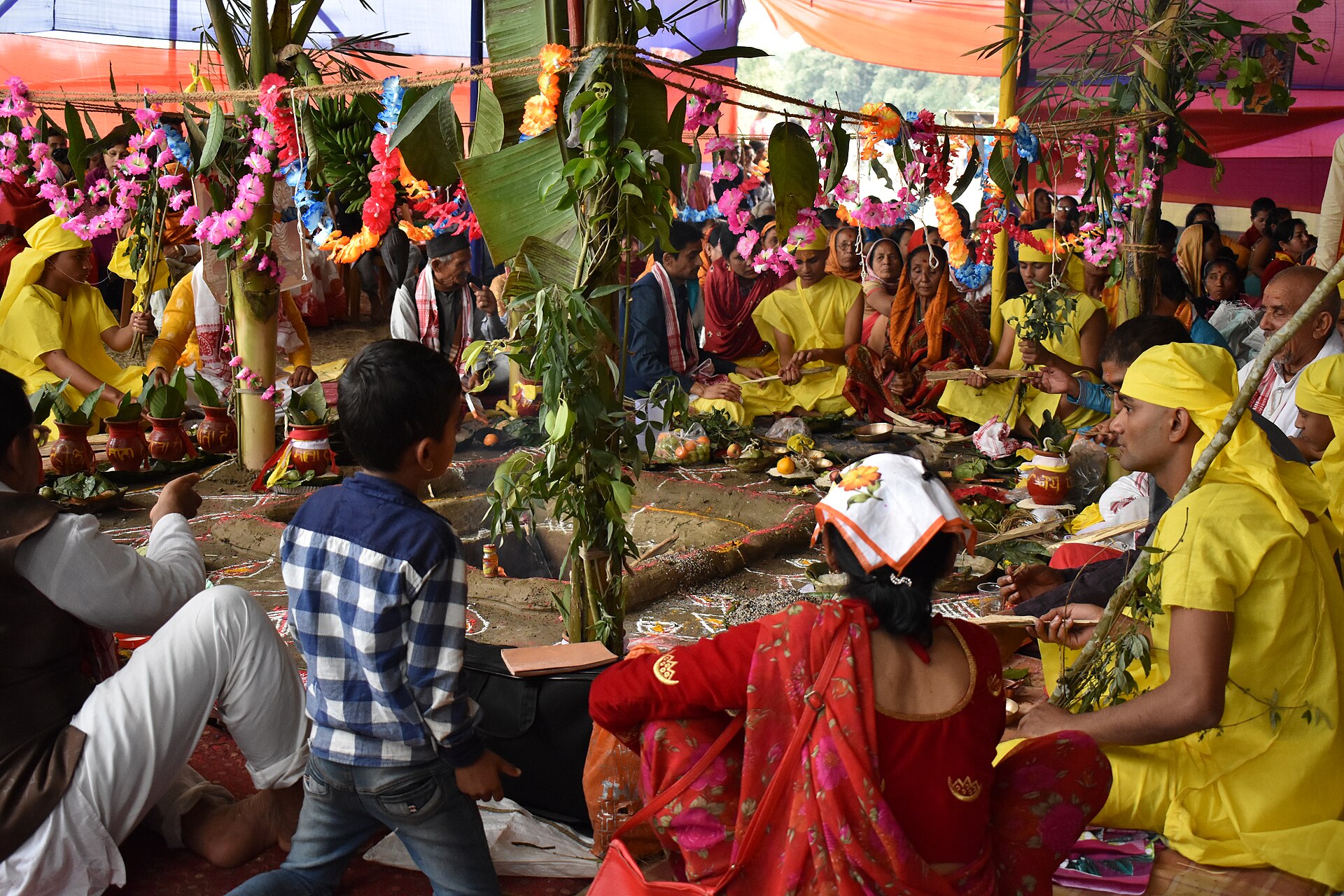
The Ganesh Chaturthi puja vidhi is a sequence of traditional ritual steps — beginning with Pranapratishtha and moving through sixteen offerings and a closing Aarti — traditionally seen as a way to invite auspiciousness and remove obstacles from one's path. Whether you are an experienced devotee or observing the festival for the first time, these steps can guide your practice.
The process begins with Pranapratishtha, the ritual of inviting the divine energy of Lord Ganesha into the idol. This is often done through specific mantras and a focused intention of welcome. Following this, devotees perform Shodashopachara, which refers to the sixteen traditional offerings of hospitality. These typically include washing the deity's feet, offering a seat, and presenting incense, flowers, and a lamp.
A central part of the celebration is the offering of modaks, the sweet dumplings traditionally associated with Ganesha's preference. Offering these treats is often viewed as a gesture of love and devotion. The ritual usually concludes with the Aarti, where a lamp is circled clockwise before the deity while singing hymns.
In the Jyotish tradition, performing these steps with a calm and sincere heart may help create a peaceful atmosphere in the home. For those tracking the ganesh chaturthi puja time 2026, checking a panchang can help identify the most suitable moments for these prayers. This sequence of devotion tends to bring a sense of spiritual grounding and clarity to the observer.
How Many Days Is Ganesh Chaturthi Celebrated in 2026?
Ganesh Chaturthi in 2026 is celebrated for a duration that varies by family tradition and regional custom, ranging from 1.5 days to a full 10-day observance concluding on Anant Chaturdashi. While the festival begins on 2026-09-14, the period of hosting Lord Ganesha in the home can differ. Many devotees choose a 1.5-day celebration, where the idol is immersed on the second day. Others may follow a 3-day, 5-day, or 7-day tradition, depending on their ancestral practices.
In many parts of India, particularly in Maharashtra, the 10-day celebration is most common. This extended period allows for deep devotion and community gatherings, concluding on Anant Chaturdashi 2026 date — the final day of the festival. This day marks the grand Visarjan (immersion), where the deity is bid a heartfelt farewell.
These different durations often reflect the personal capacity of the household or specific community norms. Whether one chooses a short or long celebration, the essence remains the same: inviting the remover of obstacles into the home to seek blessings. For those planning their rituals, checking the panchang can help in aligning these celebrations with auspicious timings. Each duration carries its own rhythm of prayer and joy, tending to bring a sense of spiritual renewal to the devotee.
When Is Anant Chaturdashi 2026?
Anant Chaturdashi 2026 falls on September 23, Wednesday. This auspicious day marks the grand conclusion of the 10-day Ganesh Chaturthi celebrations, serving as the final date for the Visarjan (immersion) of Lord Ganesha's idol. As the deity returns to his celestial abode, devotees often bid him farewell with prayers and processions, traditionally asking for his return the following year.
Beyond the festivities of Ganesh Chaturthi, this day holds a distinct spiritual significance as the observance of Anant Vrat. The word "Anant" refers to the infinite nature of Lord Vishnu. On this day, many practitioners tie a sacred thread with 14 knots on their arm, which can symbolize the 14 worlds or the various aspects of the divine.
Observing this vrat (fast) tends to be associated with a desire for peace and the removal of obstacles in one's life. While the day is widely known for the emotional farewell to Ganpati Bappa, it also offers a quiet space for devotion to the infinite. For those tracking these timings, using a panchang can help in identifying the most serene moments for prayer and rituals.
Ganesh Visarjan 2026: Date and Timing for Each Celebration Duration
Ganesh Visarjan 2026 dates vary by celebration duration, beginning as early as September 15 for 1.5-day observances and culminating on September 23 for the 10-day tradition, following Ganesh Chaturthi on 2026-09-14. Depending on family traditions, the celebration typically lasts for various durations, with the timeline below:
- 1.5 Days: Visarjan may take place on 2026-09-15.
- 3 Days: Devotees often perform immersion on 2026-09-16.
- 5 Days: This tradition tends to culminate on 2026-09-18.
- 7 Days: Immersion can occur on 2026-09-20.
- 10 Days (Anant Chaturdashi): The grand finale traditionally falls on 2026-09-23.
For those seeking an auspicious window, the panchang often suggests avoiding Rahu Kaal (an inauspicious period) during the immersion process. Many families prefer the morning hours or the twilight period, as these times can create a peaceful atmosphere for prayers. While the specific muhurat (auspicious timing) may vary slightly by city, focusing on a time of mental clarity and devotion often aligns with the spiritual intent of the ritual. This practice serves as a reminder that the divine energy remains within us even after the physical idol is immersed.
Regional Observances: How Ganesh Chaturthi Is Celebrated Across India
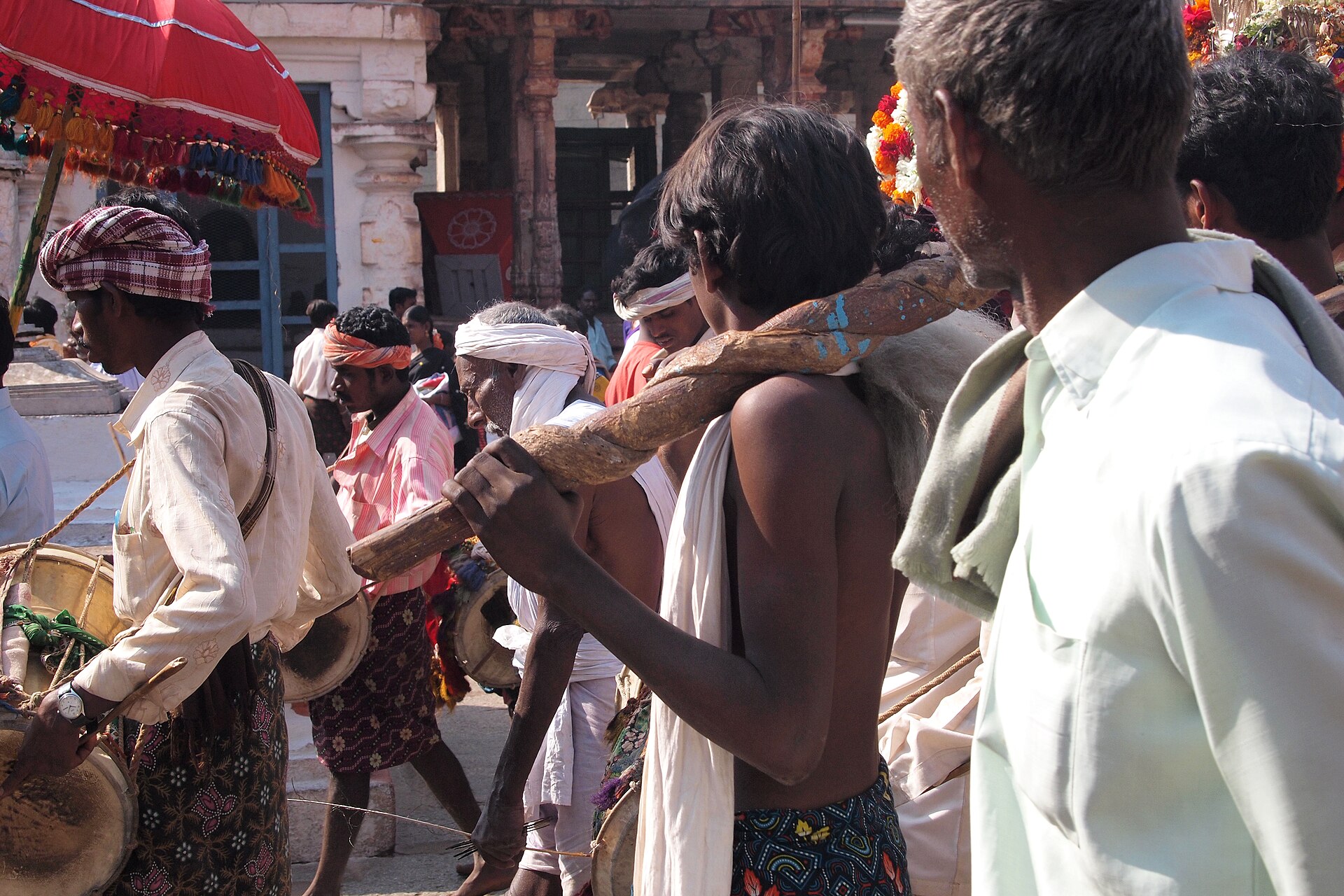
Ganesh Chaturthi is celebrated differently across India, with regional observances ranging from grand public pandals in Maharashtra to intimate home-based pujas in South India and ancestral shrine traditions in Goa. In Maharashtra, the festival often takes a grand, public form. Large community pandals (temporary shrines) are established, where massive idols of Lord Ganesha are installed. These celebrations tend to be highly social, featuring rhythmic drumming and collective prayers that bring entire neighbourhoods together.
In contrast, celebrations in South India often lean towards a more intimate, home-centric approach. Families traditionally invite the deity into their personal spaces, focusing on detailed puja vidhi (ritual procedures) and the offering of traditional sweets. The atmosphere here can feel more meditative, emphasising the bond between the household and the deity.
Goa offers another unique perspective, where the festival often blends Vedic traditions with local customs. Many Goan families maintain ancestral shrines, and the celebrations may include specific local music and dance forms. Regardless of the region, the transition from Sthapana (installation) to Visarjan (immersion) — marked each year by the anant chaturdashi 2026 date for those planning ahead — serves as a spiritual reminder of the cycle of creation and dissolution. For those tracking these movements through a panchang, the dates provide a structured guide, though the personal experience of the festival remains a deeply individual journey of faith.
Practical Tips for Eco-Friendly Ganesh Idol Installation and Visarjan
Eco-friendly Ganesh idol installation and Visarjan typically involves choosing natural clay idols, plant-based colours, and mindful immersion practices that reduce the environmental impact on local water bodies. Many devotees now choose idols made from Shadu Maati (natural clay) rather than Plaster of Paris. Clay idols are traditionally seen as a return to the earth, as they dissolve more easily in water during Visarjan (the ritual immersion). For those already noting the ganesh visarjan 2026 date on their calendar, factoring in eco-friendly preparations well in advance can make the process feel more considered.
When selecting an idol, looking for those painted with natural, plant-based colours can reduce the chemical impact on local water bodies. For those who prefer a more private or sustainable approach, performing the immersion in a bucket or a dedicated tank at home is a gentle alternative. The water used for this process can then be poured into garden plants, allowing the energy of the festival to remain within the home.
If you prefer visiting public water bodies, using designated immersion sites provided by local authorities helps manage the environmental footprint of the celebrations. These small adjustments in planning can make the festivities feel more aligned with the spirit of nature. For those tracking their daily planetary alignments during the festival, the panchang can be a helpful resource for timing your preparations.
Frequently Asked Questions
Which day of the week does Ganesh Chaturthi fall on in 2026?
Ganesh Chaturthi falls on Monday, 14 September 2026. This auspicious day marks the beginning of the celebrations dedicated to Lord Ganesha.
What is the Chaturthi tithi start and end time for Ganesh Chaturthi 2026?
The provided authoritative data confirms the date of Ganesh Chaturthi as 14 September 2026, but specific tithi start and end times for this date are not listed in the current dataset. It is traditionally recommended to consult a local panchang (astrological calendar) for precise timings.
Can the Ganesh idol be installed outside the muhurat window?
While a muhurat (auspicious timing) is traditionally preferred to align with positive planetary energies, many devotees install the idol based on their personal convenience. In Jyotish tradition, the intention and devotion of the practitioner are often considered as significant as the timing.
What is the significance of not looking at the moon on Ganesh Chaturthi?
According to traditional folklore, looking at the moon on this day is associated with the possibility of facing false accusations or 'Mithya Dosha'. This is viewed as a tendency rather than a certainty, and the practice is observed by many as a mark of respect for the legend.
How does the Visarjan timing differ for 1.5-day and 10-day celebrations in 2026?
Visarjan (immersion) for 1.5-day celebrations typically occurs shortly after the installation, whereas 10-day celebrations culminate on Anant Chaturdashi. The specific timings for these immersions in 2026 would be determined by the lunar calendar and local customs.
Images: Vyacheslav Argenberg (CC BY 4.0) via Wikimedia Commons, Sontush Sharmah (CC BY-SA 4.0) via Wikimedia Commons.
 Astrologger