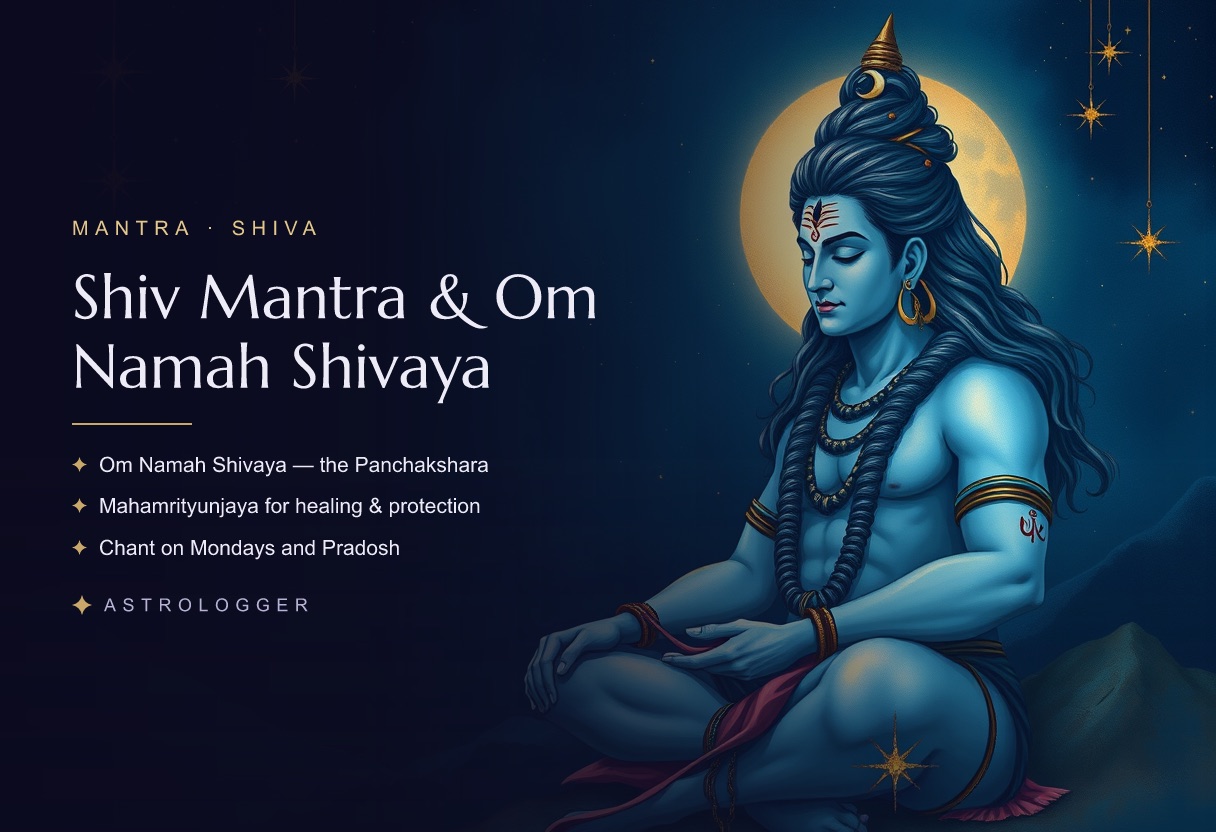
Next Hartalika Teej is on 3 September 2027. The vrat vidhi, puja muhurat and rules below apply each year — confirm the exact timings for your city on the panchang.
When Is Hartalika Teej in 2026 and Which Day Does It Fall On?
Hartalika Teej in 2026 falls on September 14, 2026, a Monday — a day traditionally dedicated to Lord Shiva, adding a layer of spiritual significance to the celebrations.
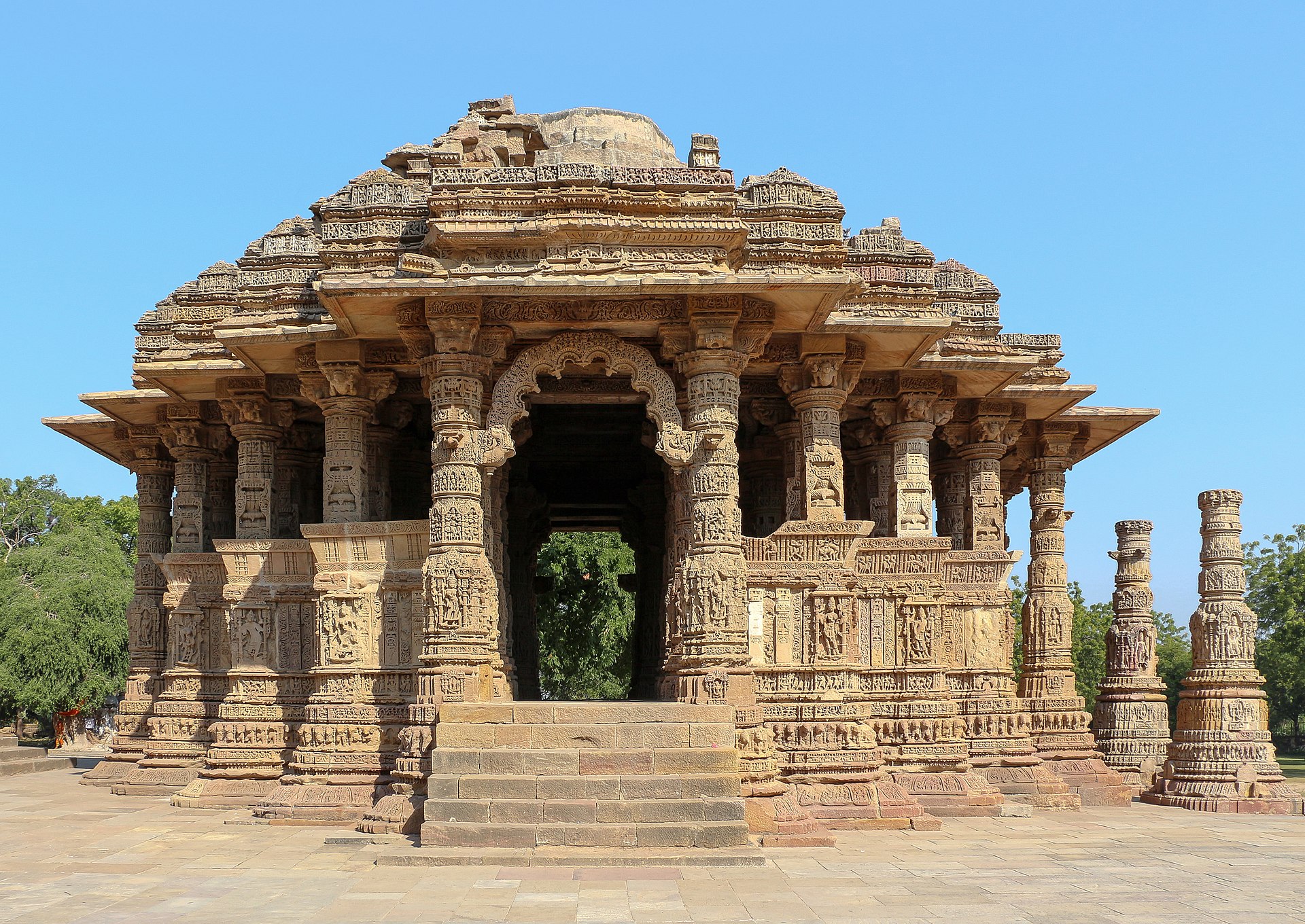
According to the Vedic calendar, this festival occurs on the Tritiya (third day) of the Shukla Paksha (waxing phase of the moon) during the month of Bhadrapada. This particular tithi is dedicated to the union of Goddess Parvati and Lord Shiva, and many devotees observe a strict fast to seek marital harmony or a compatible partner.
Because the lunar calendar differs from the Gregorian system, you can always check the panchang today to track specific tithi timings. In Vedic astrology, observing these dates often helps practitioners align their personal energy with the cosmic rhythms of the month. The date itself is fixed, but the specific experience of the fast can vary based on individual intentions and family customs. For many, the day serves as a time for reflection, devotion, and the strengthening of emotional bonds through prayer and community.
Talk to an astrologer about the right muhurat. First message free · ₹25/min
Puja Muhurat for Hartalika Teej 2026: Pradosh and Morning Timings
The Hartalika Teej puja muhurat for 2026 generally follows two key windows: morning hours for initial preparations and the establishment of clay idols, and the Pradosh Kaal — the period shortly before and after sunset — which is widely considered the most auspicious time for the main puja. For 14 September 2026, the morning puja window is approximately 06:05 AM to 07:06 AM IST (the Tritiya tithi runs from about 07:08 AM on 13 September until about 07:06 AM on 14 September, so the morning worship is completed while the tithi still prevails). Many families also perform an evening Pradosh-Kaal puja around sunset. These are general timings — confirm the exact morning and Pradosh windows for your city against a current panchang, as sunrise and sunset shift by location.
In Vedic tradition, Pradosh is the time when Lord Shiva is said to be in a state of deep bliss and meditative joy. Performing the rituals during this twilight phase tends to align the devotee's energy with the calming vibrations of the deity.
Because this vrat focuses on the union of Shiva and Shakti, the Pradosh timing may help in creating a more spiritual atmosphere. If you are tracking the exact sunset for your city, you can refer to the panchang to find the precise Pradosh window. Morning rituals provide a foundation, but the evening prayers often serve as the heart of the celebration, where the most intense devotion is expressed through offerings and the recitation of the vrat katha.
What Is the Significance of Hartalika Teej Vrat?
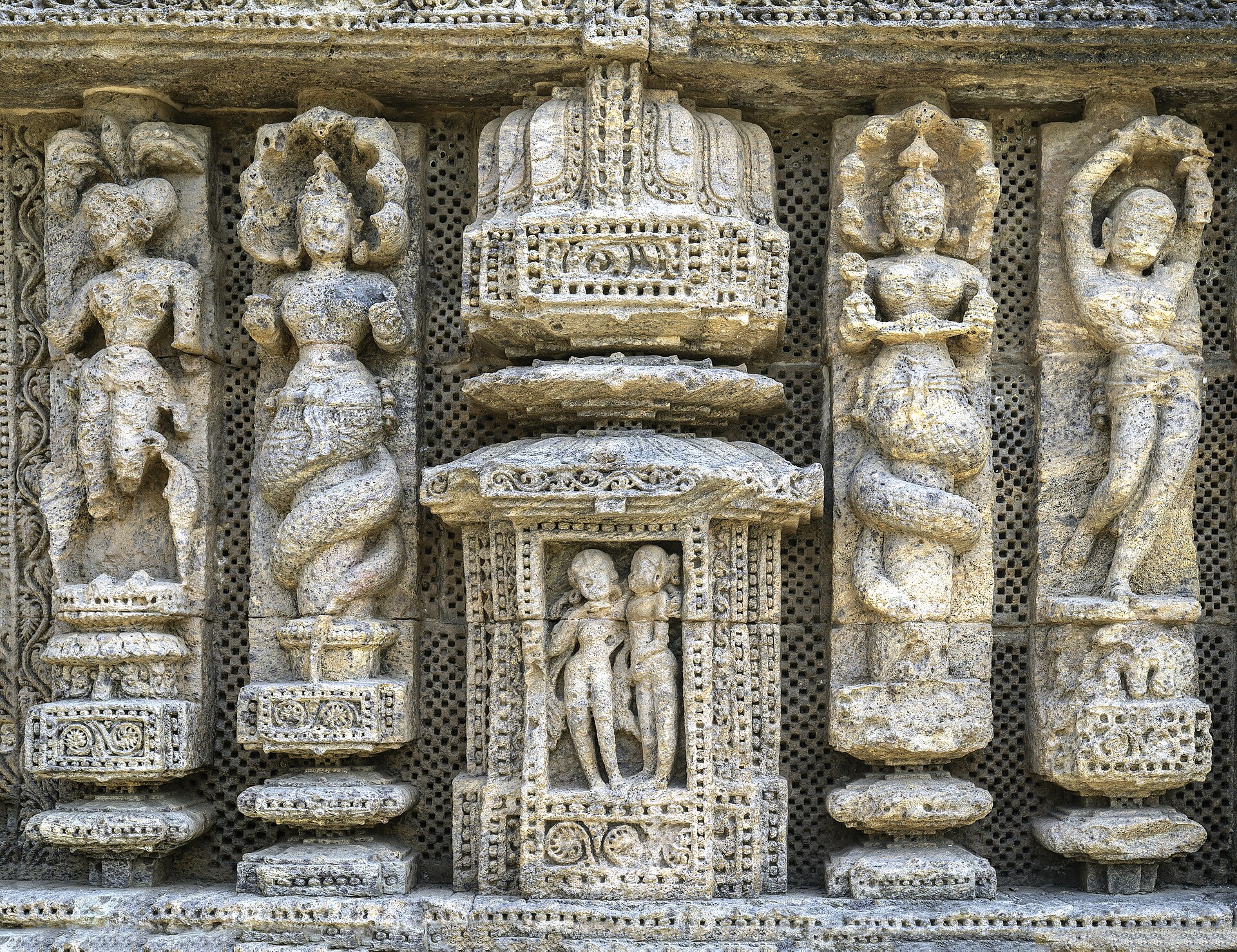
Hartalika Teej Vrat holds significance as a celebration of love, determination, and spiritual discipline, rooted in the belief that sincere devotion can align one's path with their highest spiritual or worldly aspirations. Traditionally, this vrat (fast) commemorates the deep devotion of Goddess Parvati, who performed intense penance to attain Lord Shiva as her husband. Her journey reflects the belief that sincere dedication and faith can shape one's path toward their deepest aspirations.
For many married women, observing this fast is a way to seek marital harmony and the longevity of their spouse. It is often seen as a practice to invite stability and affection into the home. Similarly, unmarried women may observe the vrat with the hope of finding a compatible and virtuous partner, drawing inspiration from Parvati's unwavering resolve.
Beyond the personal goals, the day encourages a sense of community and inner reflection. By following the hartalika teej vrat vidhi — the traditional sequence of rituals — devotees often feel a closer connection to the divine energy of the Goddess and the transformative power of Shiva. Customs vary across regions, but the core essence remains a celebration of the sacred bond between the soul and the divine. You can check the precise timings for the day using our panchang to align your prayers with the cosmic flow.
Hartalika Teej Vrat Katha 2026: The Story Behind the Fast
The Hartalika Teej Vrat Katha is a traditional story of unwavering devotion and strength that devotees recite as an essential part of the fast, with the word 'Hartalika' itself derived from 'Harat' (abduction) and 'Alika' (friend). The narrative describes how Goddess Parvati desired to marry Lord Shiva. However, her father intended for her to marry Lord Vishnu. To protect her choice and her devotion, Parvati's friend helped her escape, leading her to a dense forest.
In this secluded space, Parvati performed intense penance, often fasting and praying for days to win Lord Shiva's heart. Her dedication stands as a symbol of the power of faith and resolve. Moved by her austerity, Lord Shiva eventually accepted her as his consort. This story serves as a reminder that sincere devotion often tends to lead toward the fulfillment of one's deepest spiritual desires.
In the Vedic tradition, reciting or listening to this katha is considered an essential part of the puja. Many believe that the act of hearing the story can align the mind with the energy of the divine couple. For those tracking their spiritual journey through a kundli, such observances often reflect a tendency toward seeking harmony and stability in relationships. Following the panchang ensures the rituals are performed during the most auspicious windows.
How to Perform Hartalika Teej Vrat Vidhi Step by Step
The Hartalika Teej vrat vidhi is traditionally performed through a sequence of devotional steps — including sankalp, puja, katha, jagran, and visarjan — though specific customs may vary by household. Every household may follow particular family traditions, but the general Vedic practice often follows these steps:
- Sankalp: Begin the morning by taking a sankalp (solemn vow). In this step, the devotee expresses their intention to observe the fast for the well-being of their partner or to seek a compatible life partner.
- Preparation: Create a sacred space. Traditionally, idols of Lord Shiva, Goddess Parvati, and Lord Ganesha are crafted from sand or clay, or an image is used.
- Puja Sequence: Perform the shodashopachara (sixteen-step offering) or a simplified version. This typically includes offering water, incense, flowers, and sweets. Many devotees offer bel patra (wood apple leaves) to Lord Shiva.
- Katha: Recite or listen to the hartalika teej vrat katha 2026 (sacred story), which describes the devotion of Parvati.
- Jagran: The tradition often involves jagran (staying awake through the night), spent in prayer, singing bhajans, or meditation.
- Visarjan: The following morning, after completing the final prayers, the clay idols are immersed in a water body as part of visarjan (ritual farewell).
Following these steps may help create a meditative atmosphere. You can check the panchang to align your prayers with the most auspicious timings of the day.
Hartalika Teej Puja Samagri List 2026: What Items Are Needed?
A typical Hartalika Teej puja samagri spread includes idols or images of Lord Shiva and Goddess Parvati, offerings from nature such as bel patra and flowers, and saubhagya items like sindoor and bangles — though regional customs may call for additional materials. Since this vrat (fast) honours the divine union of Lord Shiva and Goddess Parvati, the items used often reflect purity, nature, and marital bliss.
To help you prepare, here is a categorised hartalika teej puja samagri list 2026 of materials commonly used in the tradition:
Deities and Sacred Elements
- Idols or images of Lord Shiva and Goddess Parvati (often fashioned from sand or clay in some regional customs)
- A clean wooden platform (chowki) and a red or yellow cloth to cover it
- Incense sticks (agarbatti) and a diya (oil lamp) with ghee
Offerings from Nature
- Flowers: Traditionally, white flowers for Lord Shiva and red flowers for Goddess Parvati
- Bel patra (wood apple leaves), which are highly sacred to Shiva
- Seasonal fresh fruits and sweets (bhog)
Saubhagya Items (Symbols of Marital Bliss)
- Sindoor (vermilion) and kumkum
- Bangles, bindi, and other traditional adornments (shringar)
- Akshat (unbroken rice grains)
Depending on your family traditions or regional customs, you may add specific items like honey, sandalwood paste, or a kalash (sacred pot) filled with water. You can check the panchang to align your preparations with the auspicious timings of the day.
Can Married Women Break the Hartalika Teej Fast the Next Morning?
Married women observing Hartalika Teej traditionally break the fast the following morning, after completing the morning puja and the visarjan (ritual immersion) of the clay idols of Lord Shiva and Goddess Parvati. This vrat is observed as nirjala, meaning the devotee avoids both food and water throughout the day and night. This discipline is often seen as a way to deepen one's devotion and spiritual focus.
In 2026, the fast is typically broken on September 15, after the completion of the morning puja and the visarjan (ritual immersion) of the clay idols. According to the panchang, the parana (the act of breaking the fast) occurs after the tithi concludes and the morning rituals are finished. For those following the hartalika teej vrat katha 2026 traditions, this sequence of concluding prayers before the parana is considered an important part of the observance.
Tradition suggests this strict path, but Vedic astrology and spiritual practices often emphasize the intention behind the act. For those with health concerns or specific medical needs, practitioners may suggest modifications to the nirjala nature of the fast. It is always helpful to consult a family elder or a priest to align the timing with local customs. Breaking the fast with a light, satvik meal often helps the body transition gently after the period of abstinence.
Regional Variations: How Hartalika Teej Is Observed Across India
Across India, Hartalika Teej takes on unique local flavors by region, though the core devotion to Lord Shiva and Goddess Parvati tends to remain constant throughout. In states like Rajasthan and Uttar Pradesh, the festival often takes on a vibrant, communal character. Women may organize elaborate processions, dressing in bright lehengas and singing traditional folk songs that describe the longing and devotion of Parvati. Swings tied to sturdy tree branches are a common sight in these regions, symbolizing the joy and playfulness of the season.
Celebrations in Maharashtra, by contrast, often lean toward a more intimate or home-centered approach. The devotion is the same, but the hartalika teej puja samagri list 2026 and specific ritual sequences can vary by region. For instance, the way the clay idols are fashioned or the specific types of offerings made during the vrat (fast) may differ from North Indian traditions. These regional variations reflect how Vedic traditions blend with local customs over centuries. Whether through the rhythmic beats of a dhol in the north or the quiet prayers in the west, the day tends to be a vivid expression of faith and cultural identity. For those tracking these timings, checking the panchang can help align personal rituals with traditional timings.
Frequently Asked Questions
Is Hartalika Teej 2026 a nirjala vrat or can water be consumed?
Hartalika Teej is traditionally observed as a nirjala vrat, meaning a fast without water. However, practitioners may adapt the fast based on their health needs, as tradition often suggests flexibility for those unable to maintain a strict waterless fast.
What is the difference between Hartalika Teej and Hariyali Teej?
Hariyali Teej generally celebrates the union of Lord Shiva and Goddess Parvati during the monsoon, while Hartalika Teej specifically commemorates the moment Parvati's friends helped her hide to perform penance for Shiva. They differ in their specific legends and the timing of their observance within the lunar calendar.
Can unmarried women observe Hartalika Teej vrat?
Yes, unmarried women may observe this vrat. In Jyotish tradition, it is often practised by those seeking a compatible life partner or wishing to invoke the blessings of Lord Shiva and Goddess Parvati for a happy marital life.
What happens if the Hartalika Teej vrat is broken accidentally?
Traditional beliefs suggest that an accidental break in the fast is not viewed as a failure of devotion. Practitioners may simply continue their prayers and seek forgiveness through a sincere apology to the deities during their puja.
How long does the Hartalika Teej puja typically take to complete?
The puja duration can vary depending on the depth of the rituals performed, but it typically takes a few hours. This usually includes the creation of clay idols, the offering of shringar (sacred adornments), and the chanting of traditional hymns.
Images: Bernard Gagnon (CC BY-SA 3.0) via Wikimedia Commons, Joydeep (CC BY-SA 4.0) via Wikimedia Commons.
 Astrologger