What Is the Exact Date of Karva Chauth in 2026?
Karva Chauth in 2026 falls on October 29, making that date the anchor for anyone already searching for the karva chauth moon rising time 2026. This sacred day is observed on the Chaturthi (fourth day) of the Krishna Paksha (waning phase of the moon) during the month of Kartik.
Karva Chauth 2026: Key Timings & Muhurat
| Event | Date | Time (IST, New Delhi) |
|---|
| Karva Chauth Vrat | Thursday, 29 October 2026 | — |
| Puja Muhurat | 29 October 2026 | 05:38 PM – 06:56 PM |
| Upavasa (fast) window | 29 October 2026 | 06:31 AM – 08:17 PM |
| Moonrise (Delhi) | 29 October 2026 | ~08:17 PM |
| Chaturthi Tithi begins | 29 October 2026 | 01:06 AM |
Moonrise and puja timings vary by city — Delhi is shown above; see the city-wise table below and confirm against your local panchang.
You may notice that the karva chauth 2026 date and time shifts every year on the Gregorian calendar. This happens because Vedic astrology relies on a lunar calendar, which tracks the moon's orbit around the Earth. Since a lunar month is shorter than a solar month, the tithi (lunar day) shifts relative to our standard calendar. The precise timing depends on when the Chaturthi tithi begins and ends, as well as its alignment with the sunrise.
Following these celestial rhythms allows us to align our spiritual practices with the natural cycles of the cosmos. While the date moves, the essence of the day remains centered on devotion and the bond of marriage. Traditionally, this timing can influence the mood and energy of the day, often creating a space for reflection and patience as we wait for the moon to appear.
Talk to an astrologer about what this means for your chart. First message free · ₹25/min
What Time Does the Moon Rise on Karva Chauth 2026?
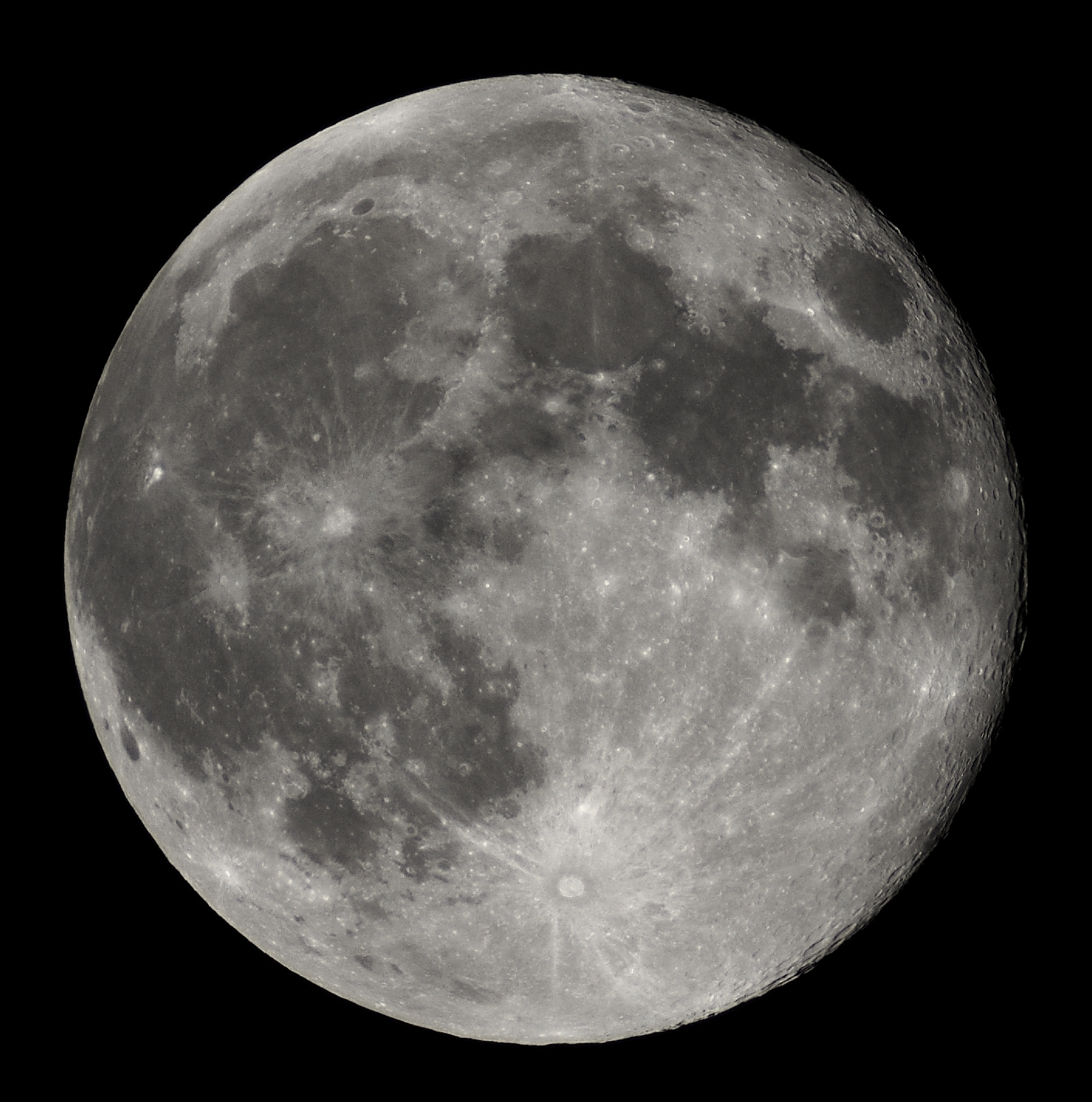
The karva chauth moonrise time 2026 varies by city, with approximate timings ranging from around 7:32 PM in Kolkata to 8:45 PM in Mumbai on October 29, 2026 — and for many observers, this karva chauth moon sighting 2026 is the most awaited moment of the day, as it traditionally signals the end of the fast. On October 29, 2026, the moon is positioned in the sign of Taurus and the Mrigashira nakshatra (lunar mansion), which is ruled by Mars.
Because moonrise depends on your specific longitude and latitude, the karva chauth moonrise time 2026 varies across the country. Based on general panchang (astrological calendar) data, here are the approximate moonrise timings for major cities:
- Delhi: 8:00 PM
- Mumbai: 8:45 PM
- Kolkata: 7:32 PM
- Chennai: 8:29 PM
- Bengaluru: 8:40 PM
- Jaipur: 8:12 PM
Please keep in mind that these times are tendencies based on regional averages. Local weather conditions and the specific horizon of your neighborhood can influence when the moon becomes visible. To find the exact minute for your precise location, it is a good practice to check a local panchang tool or a trusted regional calendar. Breaking the fast after sighting the moon may often bring a sense of peace and spiritual completion to the day's rituals.
What Is the Puja Muhurat for Karva Chauth 2026?
The Karva Chauth puja muhurat for 2026 falls in the evening window between sunset and moonrise on 29 October 2026 — in New Delhi, roughly 05:38 PM to 06:56 PM — and this interval is often regarded as the most auspicious time for the puja. This sacred day is centered around the Chaturthi tithi (the fourth lunar day), which traditionally marks the period of fasting and devotion. According to the panchang, this evening window allows the devotee to offer prayers to Goddess Parvati and Lord Shiva before the moon appears.
The alignment of the tithi and the evening hours can create a supportive energy for those seeking harmony and longevity in their relationships. In Vedic tradition, the transition from day to night often represents a spiritual crossing, making it a favorable time for deep intention and prayer. While specific local timings for sunset and moonrise vary by city, the general practice involves performing the puja during this twilight period.
Breaking the fast occurs only after sighting the moon, which can be a meditative experience. This practice tends to symbolize the culmination of patience and faith. By aligning the puja with the recommended muhurat, practitioners may feel a deeper connection to the lunar energies that classically associate with the nurturing aspects of the feminine.
Which Nakshatra Falls on Karva Chauth 2026?
On Karva Chauth 2026, the moon resides in the Nakshatra (lunar mansion) of Mrigashira, a star ruled by Mars, the planet of energy and drive, with the Moon placed in Taurus. This particular placement may lend a gentle, searching quality to the day. In Vedic astrology, Mrigashira — symbolised by the deer's head — is often associated with tender seeking, curiosity, and devotion, an element worth considering when reflecting on the karva chauth 2026 astrological significance.
Because this Nakshatra tends to carry a gentle, seeking energy, the fast may feel like more than just a ritual. It can become a period of quiet reflection and emotional renewal for those observing the vrat (fast). The influence of Mars, the ruler of Mrigashira, suggests that the prayers offered during the puja may focus on devotion, courage, and the well-being of the spouse.
When the moon rises in the evening hours of 29 October 2026, the energy of Mrigashira can influence the sighting ritual. Traditionally, this Nakshatra is linked to a gentle quest for connection and understanding. Consequently, the act of viewing the moon may feel like a moment of profound tenderness and clarity. This celestial alignment often encourages a mood of warmth and sincerity, making the breaking of the fast a peaceful transition from discipline to celebration.
What Is the Astrological Significance of the Karva Chauth Moon?
In Vedic astrology, the Karva Chauth moon carries significance as a lunar phase traditionally associated with emotional refinement, devotion, and the nurturing of relationships, rooted in the Moon's role as the karaka (significator) for the mind and emotions. The karva chauth 2026 astrological significance is rooted in the moon of the fourth day during the lunar month of Kartik, observed on 29 October 2026. This specific lunar phase is traditionally seen as a time of emotional refinement and devotion.
The fourth day of the moon's cycle often carries a tendency toward stability and growth. Because the Moon governs our inner peace and subconscious, sighting the moon after a day of fasting can be viewed as a way to align one's emotional state with the intention of longevity and harmony in marriage. Classical texts associate this period with a strengthening of the psychic bond between partners, as the lunar energy may support tenderness and mutual understanding.
By centering the fast around the appearance of the moon, practitioners engage with the natural rhythms of the cosmos. This alignment is believed to foster a sense of spiritual patience. While astrology suggests these tendencies, the beauty of the tradition lies in the personal devotion and the shared hope for a healthy, loving union.
How Do You Break the Fast on Karva Chauth 2026?
Breaking the fast on Karva Chauth 2026 traditionally follows a sequence of rituals — moon sighting, a water offering, and receiving the first sip and sweet from one's spouse — that concludes the day of fasting once the moon becomes visible on 29 October 2026. Knowing the karva chauth moon sighting 2026 time for your city in advance can help you prepare this sequence smoothly, transitioning from a day of discipline to a celebratory evening with family.
The process typically begins with the sighting of the moon. In many households, the observer views the moon through a sieve, or chhalni. This traditional practice may symbolise filtering out the negatives and focusing on the purity of the bond between partners.
Once the moon is sighted, the observer offers arghya—a ritual offering of water—to the moon. This is usually done by pouring water from a copper vessel or a karva (a small clay pot) while reciting prayers. This act is traditionally associated with expressing gratitude to the lunar energy.
After the offering, the spouse typically offers the first sip of water and a piece of sweet to the observer. This marks the official end of the vrat (fast). To prepare for this, it is helpful to have a puja thali ready with the following items:
- A sieve (chhalni)
- A small clay pot or copper vessel for water
- A lit diya (oil lamp)
- Sweets or fruit
- Fresh water
How to Prepare for the Karva Chauth Vrat: A Practical Checklist
Preparing for the Karva Chauth vrat typically begins before dawn, with a pre-dawn meal called Sargi provided by the mother-in-law or an elder, eaten before sunrise to provide energy and hydration for the day ahead. Observing Karva Chauth on 29 October 2026 begins long before the moon appears, and for those new to the tradition, this early start sets the tone for the fast.
To prepare your puja thali (offering plate), you may wish to gather these traditional items:
- A lit diya (oil lamp)
- Fresh flowers and incense
- Sweets or fruits for offerings
- A small vessel of water
- A sieve, used to view the moon and the spouse
The day is often spent in prayer and reflection. As the evening approaches, you can track the karva chauth moonrise time 2026 by checking a reliable local panchang (astrological calendar) or a trusted astrology app for your specific city. Because the moon rises at different times across various regions, checking the local timing helps you prepare for the final prayer.
In the Jyotish tradition, the act of breaking the fast after sighting the moon is seen as a gesture of love and devotion. Once the moon is visible through the sieve, you may offer prayers and then sip water to conclude the vrat (fast). This rhythmic flow from the early morning meal to the evening moonrise creates a mindful space for the observer.
Karva Chauth Across Regions: How Timing and Customs Vary
Karva Chauth customs and moonrise timing vary across India's regions, meaning the moment observers break their fast can differ by several minutes or even an hour depending on the city. In Punjab, the celebration often involves vibrant songs and the tradition of Baya (gifts given to the mother-in-law), while in Rajasthan, the focus may lean toward elaborate traditional attire and specific community rituals. In Maharashtra, some families might integrate local customs that blend the fast with specific regional prayers.
These cultural nuances add a lovely layer to the day, but the physical timing of the moonrise depends entirely on your geography. Because the moon rises at different times in Delhi, Mumbai, or Kolkata, the moment you break your fast can vary by several minutes or even an hour depending on your city.
Regardless of these regional variations, the panchang (traditional lunar calendar) remains the reliable anchor for the occasion. For 2026, the karva chauth 2026 date and time is anchored to 29 October, with the puja timing and muhurat varying by location. While local customs shape the experience, the panchang provides the astronomical foundation for the vrat (fast), ensuring that the spiritual alignment of the day is respected across all states. Following the calculated muhurat (auspicious timing) helps maintain the traditional rhythm of the observance, even as the celebratory styles change from one home to another.
Frequently Asked Questions
What time should I look for the moon on Karva Chauth 2026?
Karva Chauth is observed on 2026-10-29. Since specific moonrise timings vary by location, it is traditionally recommended to check your local panchang (astrological calendar) for the precise moment the moon becomes visible in your city.
What is the Vedic astrology meaning of the Karva Chauth moon?
In Jyotish (Vedic astrology) tradition, the moon is associated with the mind and emotions. Sighting the moon after a day of fasting is traditionally seen as a symbol of peace and the nurturing of the emotional bond between partners.
Does the Karva Chauth vrat muhurat differ by city?
Yes, the muhurat (auspicious timing) for breaking the fast depends on the local moonrise time, which differs from city to city. Because the moon rises at different times across different longitudes, the timing for the vrat conclusion varies by location.
What happens if the moon is not visible on Karva Chauth night?
If clouds or weather obstruct the view, tradition suggests that one may wait for the moon to appear or, in some regional customs, follow the timings provided by a local priest. These practices are intended to maintain the spiritual essence of the day.
Can the Karva Chauth fast be observed by unmarried women?
While traditionally observed by married women, some customs allow unmarried women to observe the fast. In these traditions, it is often believed that doing so may bring a compatible partner, though this is viewed as a tendency rather than a certainty.
How does the nakshatra on Karva Chauth affect the significance of the vrat?
The nakshatra (lunar mansion) present during the fast may influence the overall energy of the day. Classical texts describe how different nakshatras can bring various qualities to the ritual, potentially enhancing the spiritual focus of the observer.
Images: U.S. Department of Agriculture (Public domain) via Wikimedia Commons, Luc Viatour (CC BY-SA 3.0) via Wikimedia Commons.
 Astrologger