When Is Navratri 2026? Start and End Dates at a Glance
Sharad Navratri 2026 begins on October 11, 2026 and concludes with the celebration of Navami on October 19, 2026, spanning a total of nine days. This sacred period, dedicated to the nine forms of Goddess Durga, leads up to the victory of light over darkness on Dussehra, which falls on October 20, 2026.
Navratri colours 2026, day-wise: Orange (Sun 11 Oct) · White (Mon 12) · Red (Tue 13) · Royal Blue (Wed 14) · Yellow (Thu 15) · Green (Fri 16) · Grey (Sat 17) · Purple (Sun 18) · Peacock Green (Mon 19 Oct). Sharad Navratri 2026 begins with Ghatasthapana on Sunday, 11 October and ends with Dussehra on 20 October. The full day-wise chart with each day's Devi form is just below.
Navratri 2026: Key Timings & Muhurat
| Event | Date | Time (IST, New Delhi) |
|---|
| Navratri begins (Ghatasthapana) | 11 October 2026 | — |
| Ghatasthapana Muhurat | 11 October 2026 | 06:19 AM – 10:12 AM |
| Abhijit Muhurat | 11 October 2026 | 11:44 AM – 12:31 PM |
| Pratipada Tithi begins | 10 October 2026 | 09:19 PM |
| Pratipada Tithi ends | 11 October 2026 | 09:30 PM |
| Navami | 19 October 2026 | — |
| Vijayadashami (Dussehra) | 20 October 2026 | — |
Timings are for New Delhi and shift by a few minutes in other cities — confirm against your local panchang.
The festivities traditionally commence with the Pratipada tithi (the first lunar day), marking the onset of the festival. This period often serves as a time for spiritual renewal and deep introspection. Many practitioners use the panchang to align their prayers with the lunar calendar, as the energy of each day tends to shift according to the tithi.
While the dates provide a structural guide, the essence of Navratri lies in the devotion and discipline one brings to the puja. The transition from the initial Ghatasthapana to the final Navami often reflects a journey of inner purification. For those seeking to understand how these celestial timings may interact with their personal birth charts, exploring a kundli can provide a broader perspective on the tendencies of the current planetary alignments.
Talk to an astrologer about the right muhurat. First message free · ₹25/min
Day-by-Day Date Chart: All Nine Days of Navratri 2026
Sharad Navratri 2026 spans nine days from 11 October 2026 through 19 October 2026, with each day dedicated to a specific form of Goddess Durga and an associated colour, as outlined in the chart below. Following the ninth day, the festival culminates in Vijayadashami (Dussehra) on 20 October 2026.
Traditionally, devotees often wear a particular colour to align with the energy of the day. The navratri 2026 nine days colours listed below are among the most widely followed associations, though regional traditions may vary slightly. Wearing these colours can create a sense of harmony and devotion during the festivities.
| Day | Date | Devi Form | Associated Colour |
|---|
| Day 1 (Pratipada) | Sun, 11 Oct 2026 | Maa Shailputri | Orange |
| Day 2 (Dwitiya) | Mon, 12 Oct 2026 | Maa Brahmacharini | White |
| Day 3 (Tritiya) | Tue, 13 Oct 2026 | Maa Chandraghanta | Red |
| Day 4 (Chaturthi) | Wed, 14 Oct 2026 | Maa Kushmanda | Royal Blue |
| Day 5 (Panchami) | Thu, 15 Oct 2026 | Maa Skandamata | Yellow |
| Day 6 (Shashti) | Fri, 16 Oct 2026 | Maa Katyayani | Green |
| Day 7 (Saptami) | Sat, 17 Oct 2026 | Maa Kaalratri | Grey |
| Day 8 (Ashtami) | Sun, 18 Oct 2026 | Maa Mahagauri | Purple |
| Day 9 (Navami) | Mon, 19 Oct 2026 | Maa Siddhidhatri | Peacock Green |
Following the ninth day, the festival culminates in Dussehra on 20 October 2026. For those looking to align their daily rituals with the lunar calendar, you may find the panchang useful for tracking tithis (lunar days) and auspicious timings.
What Is the Ghatasthapana Muhurat for Navratri 2026?
The Ghatasthapana muhurat for Navratri 2026 falls on the morning of 11 October, from 06:19 AM to 10:12 AM (New Delhi, duration ~3 hours 53 minutes). Establishing the sacred kalash, known as Ghatasthapana, marks the spiritual beginning of Navratri, and it is traditionally done in the Pratipada tithi during the morning. According to the panchang, this morning window is considered the main window for beginning the ceremony.
The Pratipada tithi begins at 09:19 PM on 10 October 2026 and ends at 09:30 PM on 11 October 2026. Practitioners seek a time that avoids inauspicious periods like Rahu Kaal, which on 11 October (New Delhi) occurs between 04:29 PM and 05:56 PM — well after the morning Ghatasthapana window.
For those who may miss the primary morning window, the Abhijit Muhurat serves as a powerful fallback option. This "victorious moment" is available from 11:44 AM to 12:31 PM on 11 October 2026.
Performing the installation during these suggested timings can help align the practitioner's energy with the divine feminine. While these windows provide a traditional framework, the sincerity of the devotee often matters most in Vedic practice. You can check the today's panchang for further daily timing details as the festival approaches.
What Is the Significance of Ghatasthapana in Navratri?
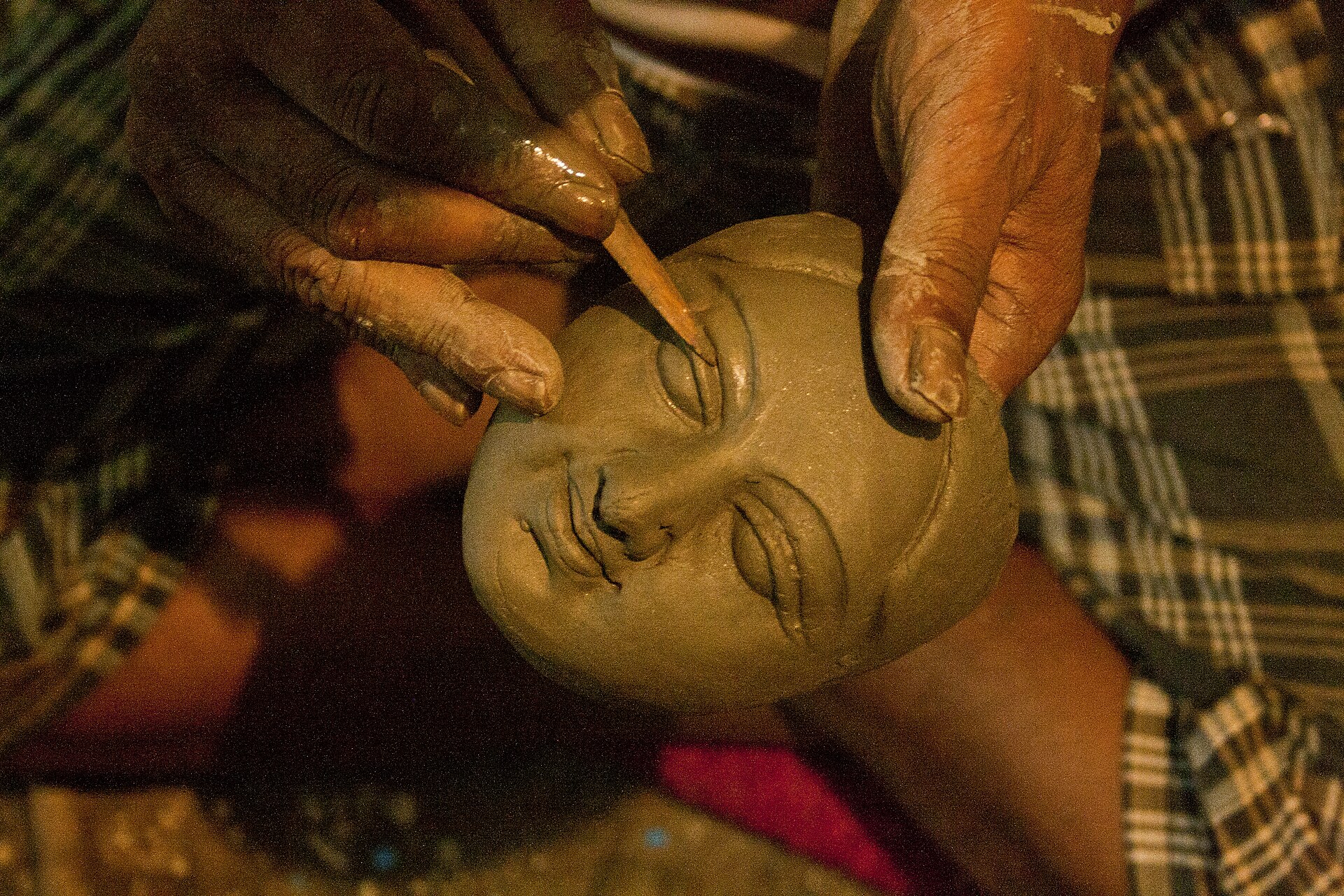
Ghatasthapana is the ritual that marks the sacred beginning of Navratri, involving the installation of a kalash (a holy pot) that traditionally represents the universe and the divine feminine energy of Maa Durga. This ceremony initiates Sharad Navratri 2026, which starts on October 11. By placing a pot filled with water, coins, and mango leaves, and sowing barley seeds in a bed of soil, the practitioner creates a symbolic focal point for the Goddess to reside in during the nine days of worship.
In Vedic tradition, the act of sowing seeds represents growth, prosperity, and the cycle of life. The health and growth of these seeds often serve as a traditional indicator of the coming season's abundance. Because this ritual initiates the entire festival, the timing of the installation is considered significant.
Performing Ghatasthapana during a specific muhurat (auspicious window) is a practice rooted in the science of the Panchang. By aligning the ritual with favorable planetary positions and lunar days, devotees seek to harmonize their personal energy with the cosmic flow. While the devotion in one's heart is paramount, following the traditional timings can help a practitioner feel more connected to the rhythmic cycles of nature and the divine.
Navratri 2026 Nine Days Colours: Which Colour for Which Day?
Navratri 2026 assigns a specific colour to each of its nine days. Because the sequence rotates with the weekday of Day 1 — and in 2026 Navratri begins on a Sunday — the order this year is Orange, White, Red, Royal Blue, Yellow, Green, Grey, Purple and Peacock Green, each hue reflecting a particular mood or divine attribute associated with the Goddess. These navratri 2026 nine days colours are based on classical traditions and are offered as gentle suggestions rather than strict rules.
- Day 1 (Sun, 11 Oct): Orange: warmth, energy and enthusiasm.
- Day 2 (Mon, 12 Oct): White: purity and peace.
- Day 3 (Tue, 13 Oct): Red: power, passion and devotion.
- Day 4 (Wed, 14 Oct): Royal Blue: divine energy and depth.
- Day 5 (Thu, 15 Oct): Yellow: joy and brightness.
- Day 6 (Fri, 16 Oct): Green: growth and nature.
- Day 7 (Sat, 17 Oct): Grey: the strength to overcome obstacles.
- Day 8 (Sun, 18 Oct): Purple: ambition and spirituality.
- Day 9 (Mon, 19 Oct): Peacock Green: uniqueness and compassion.
Many people find that wearing these shades helps them feel more connected to the festive vibration. For those tracking the lunar calendar, you can check the panchang to see how these dates align with the tithis (lunar days). Following these patterns can be a meditative way to experience the nine forms of Durga, as each colour tends to evoke a different spiritual quality.
Navratri 2026 Puja Vidhi: A Simple Step-by-Step Overview
Navratri 2026 puja vidhi typically begins with Kalash Sthapana on the first day (11 October 2026) and unfolds through daily morning and evening prayers, building toward Kanya Pujan and a final aarti before the Kalash visarjan on the ninth day — a sequence that can be kept simple and heartfelt, especially for those new to these traditions.
The journey begins with Kalash Sthapana (the installation of a sacred pot), which traditionally represents the universe and the presence of the Goddess. On the first day, a clean space is prepared, and a pot filled with water, coins, and betel nut is placed on a bed of soil where barley seeds may be sown.
Daily practice usually involves a morning and evening puja (prayer ritual). This often includes lighting a diya (oil lamp), offering fresh flowers, and reciting the Durga Chalisa or other hymns. Many practitioners maintain a sattvic diet, avoiding onion and garlic, as this is traditionally associated with mental clarity and spiritual purity.
As the festival progresses, the energy builds toward Durga Ashtami on 2026-10-19. Many families perform Kanya Pujan on Ashtami or Navami, where young girls are invited as embodiments of the Goddess to receive food and small gifts. The festivities conclude with a final aarti (ritual of light) and the visarjan (immersion) of the Kalash, marking a peaceful transition back to daily routines. For precise timing of your rituals, you may refer to the panchang.
Sharad Navratri 2026 Date vs Other Navratri Celebrations
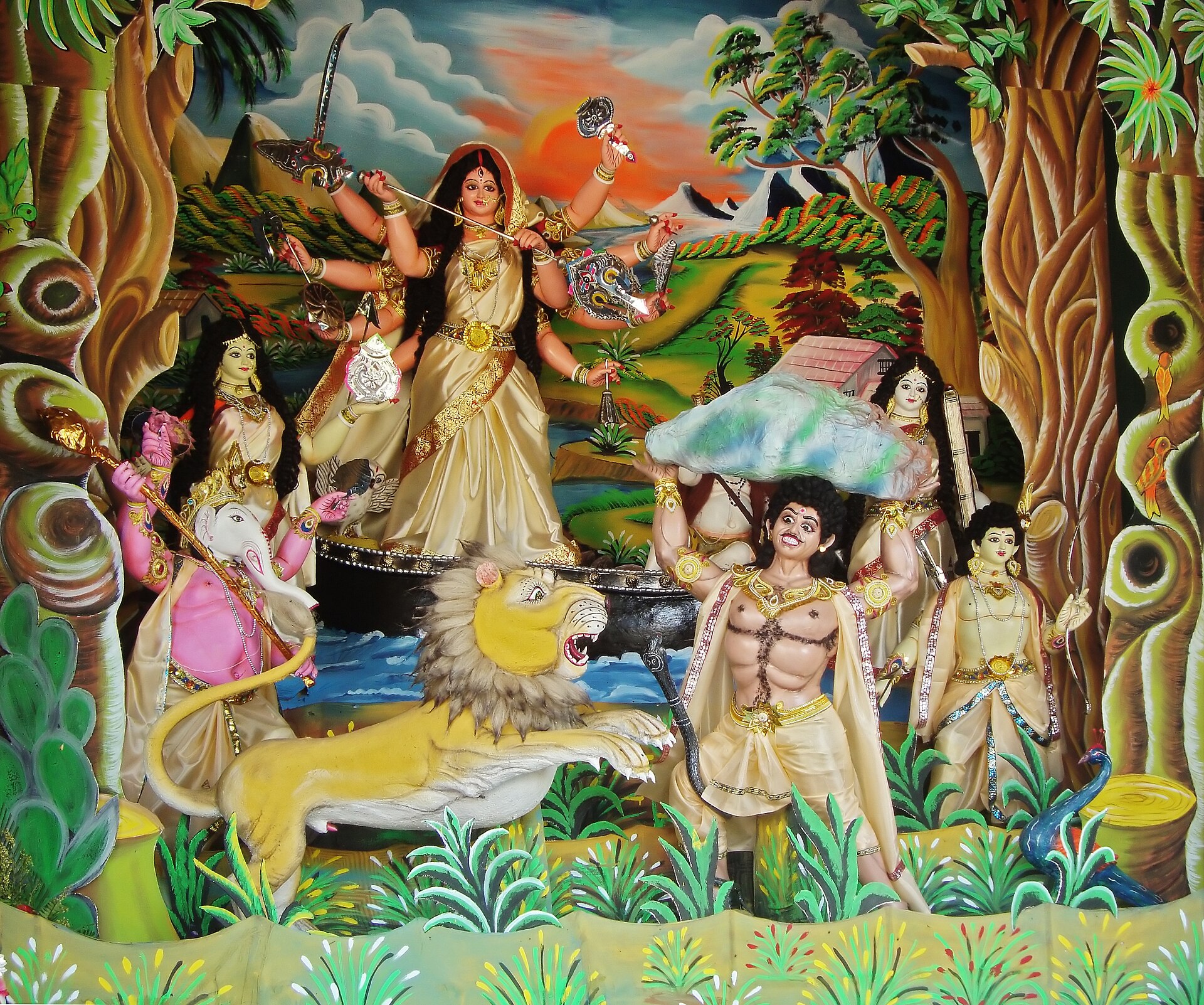
Sharad Navratri is the most widely celebrated of the four annual Navratri observances, and in 2026 it begins on 11 October, traditionally marking the victory of Goddess Durga over Mahishasura. While the word Navratri refers to nine nights of devotion, it occurs four times throughout the year. Most people searching for the sharad navratri 2026 date are looking for this most celebrated one.
To help you distinguish this from other observances, here is a brief overview of the four Navratris:
- Chaitra Navratri: Occurring in the spring month of Chaitra, this period often aligns with the Hindu New Year. In 2026, this typically falls around March, coinciding with the Ugadi and Gudi Padwa celebrations on 19 March.
- Sharad Navratri: The most widely observed festival, occurring in the autumn. This is the focus of our current guide, starting 11 October 2026.
- Magha Navratri: Known as Gupt Navratri (secret Navratri), these dates usually fall in January or February and are often dedicated to deeper tantric practices.
- Ashadha Navratri: Another Gupt Navratri, which traditionally occurs in June or July.
Each of these periods can offer different spiritual energies. While Sharad Navratri is a public celebration of strength and purity, the Gupt Navratris are often reserved for focused sadhana (spiritual practice). You can check the panchang to see how these lunar dates align with your personal lunar calendar.
Key Panchang Terms You Need to Know for Navratri 2026 Puja Vidhi
The Panchang is a traditional Vedic almanac that records five key astronomical elements to help determine auspicious moments, and familiarity with its core terms is essential for understanding Navratri timings and following the navratri 2026 puja vidhi correctly. You can explore these timings in detail using the Panchang.
Tithi refers to a lunar day. Unlike a solar day, a tithi is based on the angle between the Sun and the Moon, which is why some festivals may occasionally span two calendar days.
Muhurat is an auspicious window of time. In Jyotish tradition, certain combinations of planetary positions are considered more supportive than others for starting a prayer or a new venture.
Nakshatra is the lunar mansion or constellation the Moon resides in. These are traditionally associated with different energies that may influence the nature of a particular day.
Kalash is the sacred pot used during Ghatasthapana. It traditionally represents the universe and the divine presence of the Goddess, serving as a focal point for devotion.
Kanya Pujan is the traditional practice of worshipping young girls, who are viewed as embodiments of the Divine Mother. This ritual often takes place on Ashtami or Navami, reflecting the tradition of honouring purity and feminine energy.
Frequently Asked Questions
How many days does Navratri last in 2026?
Sharad Navratri 2026 begins on 2026-10-11 and traditionally lasts for nine nights and ten days. This sacred period concludes with the celebration of Dussehra on 2026-10-20.
What is the Ghatasthapana muhurat time for Navratri 2026?
The authoritative data provided does not list the specific Ghatasthapana muhurat time for October 2026. It is traditionally recommended to consult a local Panchang, the Vedic almanac, to find the most auspicious window for your specific location.
What colour is worn on each day of Navratri 2026?
Because Navratri 2026 begins on a Sunday, the nine colours in order are: Orange (Day 1), White (Day 2), Red (Day 3), Royal Blue (Day 4), Yellow (Day 5), Green (Day 6), Grey (Day 7), Purple (Day 8) and Peacock Green (Day 9). The sequence rotates each year with the weekday of the first day, and the colours are traditional suggestions rather than strict rules.
What happens if Ghatasthapana is missed during the muhurat window?
In Vedic tradition, missing a specific muhurat is not seen as a disaster, but rather a missed opportunity for optimal alignment. Devotees may traditionally perform the ritual during the next available auspicious window or simply offer their prayers with a sincere heart.
Is Navratri 2026 nine days or eight days long?
Sharad Navratri is traditionally a nine-night festival. Based on the dates provided, it begins on 2026-10-11 and leads up to the celebration of Dussehra on 2026-10-20.
On which date does Sharad Navratri 2026 end and Dussehra fall?
Sharad Navratri 2026 concludes as Dussehra, also known as Vijayadashami, falls on 2026-10-20. This day traditionally celebrates the victory of good over evil.
Images: Indrajit Das (CC BY-SA 3.0) via Wikimedia Commons, JDP90 (Joydeep) (CC BY-SA 3.0) via Wikimedia Commons.
 Astrologger