When Does Pitru Paksha Start and End in 2026?
Pitru Paksha 2026 starts on September 26 and ends on October 10, spanning 16 days from the Pratipada tithi through to Sarvapitri Amavasya within the lunar month of Bhadrapada. In the Vedic calendar, Pitru Paksha is a sacred period dedicated to honoring our ancestors. The pitru paksha 2026 dates fall within a time traditionally associated with reflection and spiritual gratitude.

The period lasts for 16 days, concluding on the Sarvapitri Amavasya (the New Moon day), which serves as the final opportunity to offer prayers for all departed souls. This transition from the ancestral fortnight into the festive season of Sharad Navratri often brings a sense of emotional closure and renewal for many families.
Performing Shraddh (rituals to offer peace to ancestors) during these dates is a traditional practice that can help a person feel more connected to their roots. While the specific tithi for an individual depends on the lunar date of their ancestor's passing, the entire fortnight is seen as a window where the veil between worlds tends to be thinner. You can refer to the panchang to track the precise timings of each tithi. These rituals are often viewed as a way to seek blessings and settle ancestral debts, which may bring a sense of mental peace and harmony to the household.
Talk to an astrologer about what this means for your chart. First message free · ₹25/min
Complete Shraddh Tithi Calendar for Pitru Paksha 2026
The complete Shraddh tithi calendar for Pitru Paksha 2026 runs from September 26 (Purnima) through October 10 (Sarvapitri Amavasya), with each of the 16 days corresponding to a specific lunar tithi on which ancestral rites are traditionally performed. Finding the correct day for Shraddh (ancestral rites) depends on the lunar tithi (date) on which your ancestor passed away. This shraddh tithi 2026 list covers each day of the fortnight so you can identify the right date for your family's observance. This window of days allows us to offer gratitude and prayers to our lineage.
A word of honesty on the calendar: because a lunar tithi can be shortened (kshaya) or repeated (vriddhi) within the fortnight, the exact Gregorian date of each Shraddh tithi does not map cleanly to one day each, and it shifts from year to year. Rather than print a day-by-day table that can drift out of step with the actual panchang, here are the verified anchor dates for 2026:
| Day | Date (2026) |
|---|
| Start — Purnima Shraddha | 26 September |
| Ashtami Shraddh (Matru Navami is the following tithi) | early October |
| Sarva Pitru Amavasya (Mahalaya) — final day | 10 October |
To find the exact date of the Shraddh tithi on which your ancestor passed, look up the matching tithi within this window on the panchang rather than counting days from the start.
If you are unsure of the exact tithi, Sarvapitri Amavasya on October 10 often serves as a day to offer prayers to all ancestors. You can verify current lunar timings using our tools/panchang to ensure the rituals align with the sunrise.
When Is Sarvapitri Amavasya in 2026?
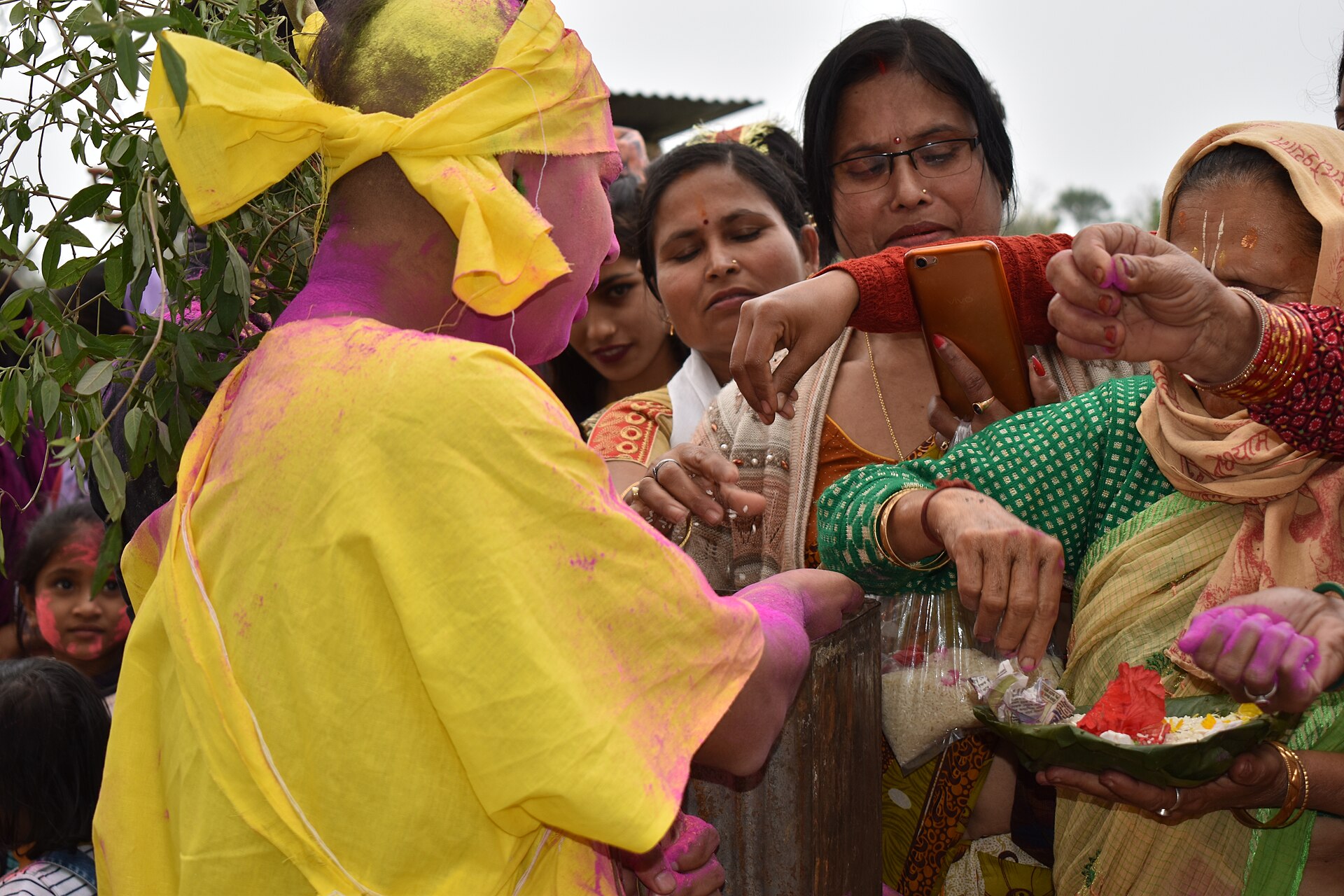
Sarvapitri Amavasya in 2026 falls on October 10, marking the culmination of the Pitru Paksha period and serving as the key date in the mahalaya paksha 2026 observance. Also known as Mahalaya Amavasya, this day holds a special place in Vedic tradition. While most days during this fortnight are dedicated to ancestors based on their specific death tithi (lunar date), Sarvapitri Amavasya is viewed as an inclusive day of remembrance.
Traditionally, this date is suitable for offering Shraddh (rituals to honor ancestors) for all departed souls, regardless of the specific date they passed away. It can be particularly helpful for those who may have missed the specific tithi of a loved one or for those whose ancestors' death dates are unknown. Performing these rituals on this day often reflects a desire to ensure no ancestor is forgotten, as the energy of the Amavasya (new moon) is thought to create a bridge between the physical and ancestral realms.
Engaging in acts of charity, feeding the needy, or offering water and food on this day can bring a sense of peace and closure. You may find it helpful to check the panchang for the most auspicious timings to perform these traditional offerings. Such practices are often seen as a way to express gratitude and seek the blessings of the lineage, which can tend to foster a feeling of spiritual harmony in the home.
Which Tithi Is Best for Performing Shraddh in 2026?
In the Vedic tradition, the most auspicious tithi for performing Shraddh in 2026 is generally the lunar day on which the ancestor passed away, as this alignment is traditionally believed to create a spiritual connection that allows offerings to reach the departed soul more effectively. Consulting a shraddh tithi 2026 list can help you identify the correct lunar day for your family's observance.
However, there are specific guidelines in Jyotish tradition for circumstances where the exact date of passing is unknown or the nature of death was unusual. For those who passed away due to accidents, violence, or sudden trauma, classical texts often suggest performing the rituals on Chaturdashi (the fourteenth lunar day). This tithi is traditionally associated with the resolution of unsettled energies.
If the date of death remains unknown, the practice of performing Shraddh on Ashtami (the eighth lunar day) is common. This is often viewed as a neutral and balanced time to offer prayers to ancestors whose details have been lost to time. For those who wish to honour all their ancestors in a single observance, Sarvapitri Amavasya—the final day of Pitru Paksha—is traditionally considered a universal day for these offerings.
You can verify the specific tithis for 2026 using a panchang to ensure your observations align with the lunar calendar. These practices are viewed as tendencies of devotion and respect rather than rigid requirements, as the intention behind the ritual is often considered most important.
What Is the Significance of Pitru Paksha?
Pitru Paksha holds significance in the Hindu tradition as a sacred 16-day lunar fortnight dedicated to remembering and honouring one's ancestors, believed to be a time when the veil between the physical world and the ancestral realm becomes thinner. In the Vedic tradition, this period is viewed as a time when departed souls may visit their descendants.
The primary spiritual objective during these days is the performance of Shraddh (rituals of faith), which typically include offerings of food and water. In Jyotish tradition, these acts of remembrance are believed to provide peace and sustenance to the departed souls, potentially easing their journey in the afterlife.
Beyond the rituals, Pitru Paksha addresses the concept of Pitru Rin, or ancestral debt — a traditional belief that we owe a spiritual debt to those who came before us, as their existence and guidance paved the way for our own. By practising gratitude and performing these traditional rites, a person may seek to fulfil this debt. Classical texts suggest that honouring ancestors in this way can bring harmony and mental peace to the living family members. Rather than a period of mourning, it is often approached as a time of deep reflection, gratitude, and spiritual cleansing for the entire lineage — a dimension of pitru paksha 2026 significance that remains as relevant today as it has been across generations. For those tracking these dates via a panchang, it serves as a reminder of the enduring bond between generations.
What Rituals Are Performed During Pitru Paksha 2026?
During Pitru Paksha 2026, beginning on 2026-09-26, the rituals performed are specific acts of gratitude and remembrance centred on honouring ancestors — most notably Tarpan, Pind Daan, and acts of charity offered to Brahmins or the needy. In the Vedic tradition, these rituals are seen as a way to offer peace and sustenance to the departed souls.
Central to these observances is Tarpan, the offering of water mixed with black sesame seeds, which is traditionally believed to quench the thirst of ancestors. Many families also perform Pind Daan, the offering of rice balls mixed with honey and ghee. These offerings are often made to Brahmins or the needy, as the act of charity during this time is traditionally associated with bringing harmony to the lineage.
Because this period is focused on mourning and ancestral debts, many people tend to abstain from starting new ventures or hosting auspicious events like weddings. Instead, the focus remains on introspection and service.
Regional variations add unique dimensions to these practices. In Bihar and Uttar Pradesh, many pilgrims travel to Gaya to perform Pind Daan by the banks of the Phalgu River. In Bengal, the period often culminates with Mahalaya paksha 2026, a poignant invocation of Goddess Durga that marks the transition from the ancestral fortnight to the festive season. These customs vary by family and region, reflecting the diverse ways we express love and respect for those who came before us. For precise timing of these rituals, you may refer to the panchang.
Who Can Perform Shraddh and Are There Alternatives?
In the Vedic tradition, the responsibility for performing Shraddh (rituals to honour ancestors) traditionally rests with the eldest son, though many contemporary interpretations and regional customs allow daughters, granddaughters, or other close relatives to perform these rites if there is no son or if the eldest son is unable to do so. This practice is rooted in the belief that the lineage continues through the male descendant. However, traditions often evolve to reflect the love and devotion of the entire family.
The essence of Pitru Paksha is remembrance and gratitude rather than rigid adherence to a checklist. For those who cannot perform the full, elaborate rituals, there are simpler traditional alternatives. Offering Tarpan (the act of offering water mixed with black sesame seeds) is a common practice that can be done with a sincere heart.
Many also find peace in performing acts of selfless service. Donating food to the needy, feeding birds, or providing water to the thirsty are traditionally considered ways to express love for one's ancestors. These gestures are viewed as ways to share one's abundance, which may bring a sense of spiritual contentment. Whether through a formal ceremony or a simple act of kindness, the intention behind the gesture is often considered the most significant element in Jyotish tradition.
What to Avoid During Pitru Paksha 2026?
During Pitru Paksha 2026 — part of what is also called Mahalaya Paksha 2026 — many families traditionally avoid starting auspicious ceremonies, purchasing new luxury items, and consuming non-vegetarian food or alcohol, as this fifteen-day period is viewed as a time of introspection, remembrance, and gratitude rather than celebration. Because the focus remains on honouring ancestors, many families choose to adopt a simpler lifestyle during these fifteen days. These customary restrictions are not meant to create fear, but rather to maintain a mood of austerity and respect.
In Jyotish tradition, it is common to avoid starting auspicious ceremonies, such as weddings or housewarmings, as the energy of the fortnight tends to be more reflective than celebratory. Similarly, the purchase of new luxury items, vehicles, or property is often postponed until after the period ends.
Dietary habits also shift for many. Non-vegetarian food, alcohol, and pungent ingredients like onion and garlic are traditionally avoided to maintain a sattvic (pure and balanced) state of mind. Some also refrain from haircuts or shaving during this time as a mark of mourning and humility.
These practices can be seen as a way to detach from material desires and redirect one's attention toward lineage and spiritual roots. While these tendencies are deeply rooted in Vedic tradition, they are personal choices. Following them may help some feel more connected to the solemnity of the occasion, while others may choose a more flexible approach based on their current circumstances. For those tracking these dates, the panchang can provide further guidance on daily tithis.
Frequently Asked Questions
How many days does Pitru Paksha last in 2026?
Pitru Paksha traditionally lasts for 16 lunar days. It is a period dedicated to remembering and honouring one's ancestors through prayers and offerings.
What is Mahalaya Paksha and is it the same as Pitru Paksha?
Yes, Mahalaya Paksha is another name for Pitru Paksha. In Jyotish tradition, it refers to the fortnight of the ancestors, where the veil between the physical and ancestral realms is traditionally believed to be thinner.
On which date does Pitru Paksha end in 2026?
Based on the provided calendar, Pitru Paksha (Shraddha) is marked on 2026-09-26. The exact end date depends on the local panchang (almanac) and the completion of the Amavasya tithi.
Can Shraddh be performed at home without a priest?
While many families traditionally invite a priest to lead the rituals, Shraddh can be performed at home. Sincere prayers and simple offerings of food and water are often considered meaningful expressions of gratitude in many traditions.
What happens if a person's death tithi is not known?
In such cases, tradition suggests performing the rituals on Sarvapitri Amavasya, the final day of Pitru Paksha. This day is traditionally associated with honouring all ancestors, including those whose specific dates are forgotten.
Is Pitru Paksha 2026 observed on the same dates across all regions of India?
While the general period remains consistent, specific tithi timings may vary slightly across different regions. This is because local panchang calculations can lead to minor differences in when a particular lunar day begins or ends.
Images: Stills&Shots (CC BY-SA 4.0) via Wikimedia Commons, Sontush Sharmah (CC BY-SA 4.0) via Wikimedia Commons.
 Astrologger