Next Raksha Bandhan is on 17 August 2027. The rakhi muhurat and bhadra guidance below applies each year — confirm the exact timings for your city on the panchang.
When Is Raksha Bandhan in 2026 — 27 or 28 August?
Raksha Bandhan in 2026 falls on 28 August, as this is the date when the Purnima tithi is traditionally considered most auspicious for tying the Rakhi according to the Dharmashastra. Many families often find themselves confused when a Purnima tithi (full moon day) spans across two calendar dates. The raksha bandhan 2026 date falls between 27 and 28 August, and knowing which day to observe can feel uncertain. While the lunar phase may begin on the 27th, the traditional observance of the festival follows the guidance of the Dharmashastra, which generally recommends performing the rituals when the Purnima tithi is prevalent.
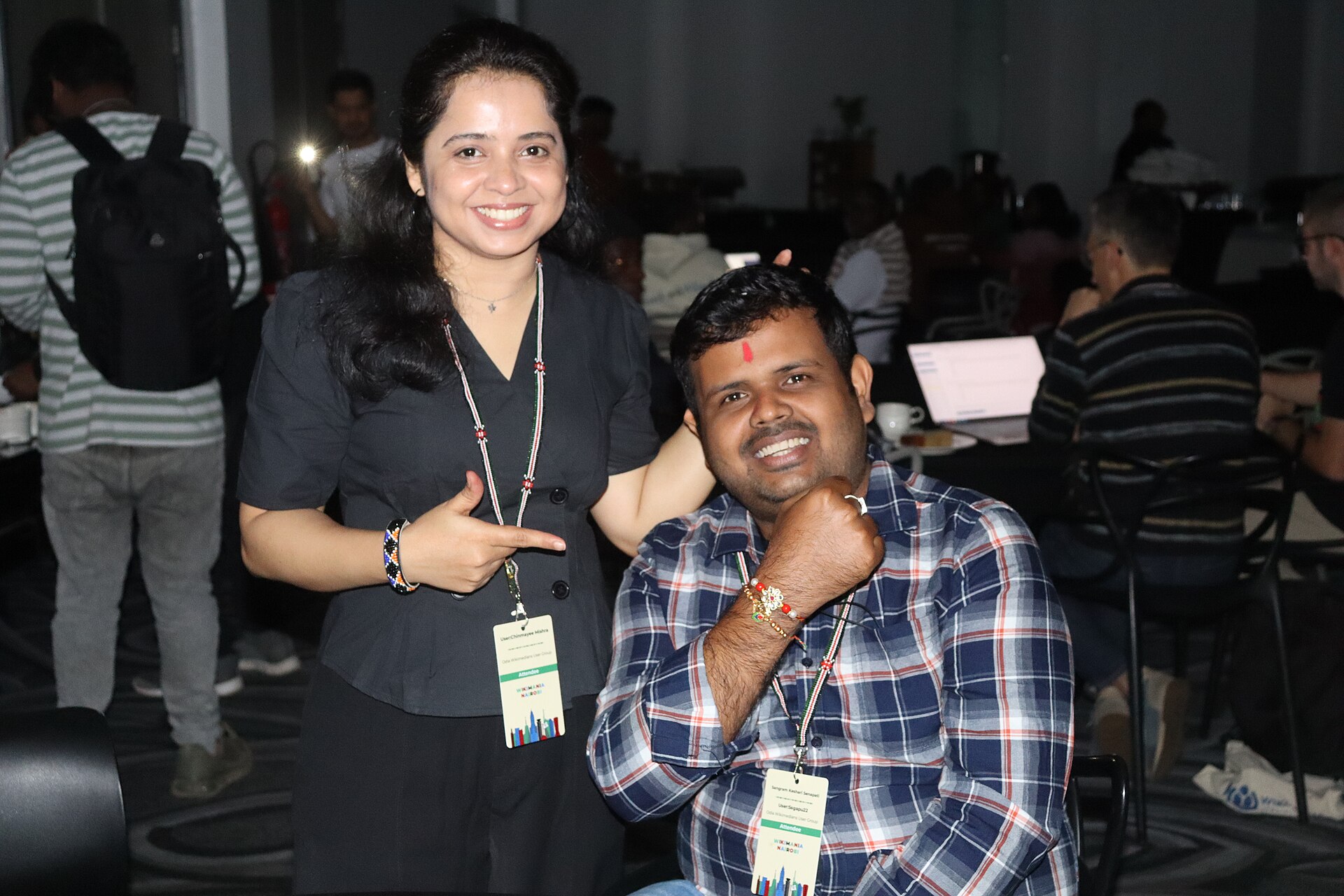
According to the panchang, Raksha Bandhan falls on 28 August 2026. This date is traditionally preferred for tying the Rakhi, as the auspicious alignment of the moon tends to be more favorable for the sibling bond on this day.
It is common for different regions to follow either the Amanta or Purnimanta calendar systems, which can lead to slight variations in how dates are perceived. However, for those seeking the most widely accepted timing for the ceremony, 28 August remains the primary date. If you wish to check the precise timings for your specific location, you can use our panchang tool to find the exact tithi transitions. Following these traditional timings often helps in aligning the celebration with the natural lunar energy, which is thought to foster harmony and protection between brothers and sisters.
Talk to an astrologer about your dosha. First message free · ₹25/min
Purnima Tithi Timing for Raksha Bandhan 2026
The Purnima tithi for Raksha Bandhan 2026 begins on 27 August 2026 and ends on 28 August 2026, with 28 August being the traditionally observed date for the festival according to the authoritative panchang. Understanding the raksha bandhan 2026 purnima tithi timing is essential for choosing the right day for the festival.
You may notice that the tithi spans across two different calendar dates. This often happens in the lunar calendar because tithis do not align with the midnight transition of the Gregorian calendar. Traditionally, the date of the festival is determined by which day the Purnima is prevailing at the time of sunrise or when the most auspicious window falls. In this instance, the alignment suggests that 28 August 2026 is the primary day for celebrations.
When planning your rituals, it is helpful to check the panchang/today to see how the lunar energy shifts throughout the day. Because the moon's position can influence the mood and emotional tone of a gathering, choosing a window that avoids Bhadra (an inauspicious period) is a common practice. This approach helps practitioners align their celebrations with the natural flow of the cosmos, as Vedic astrology tends to emphasize harmony over rigid schedules.
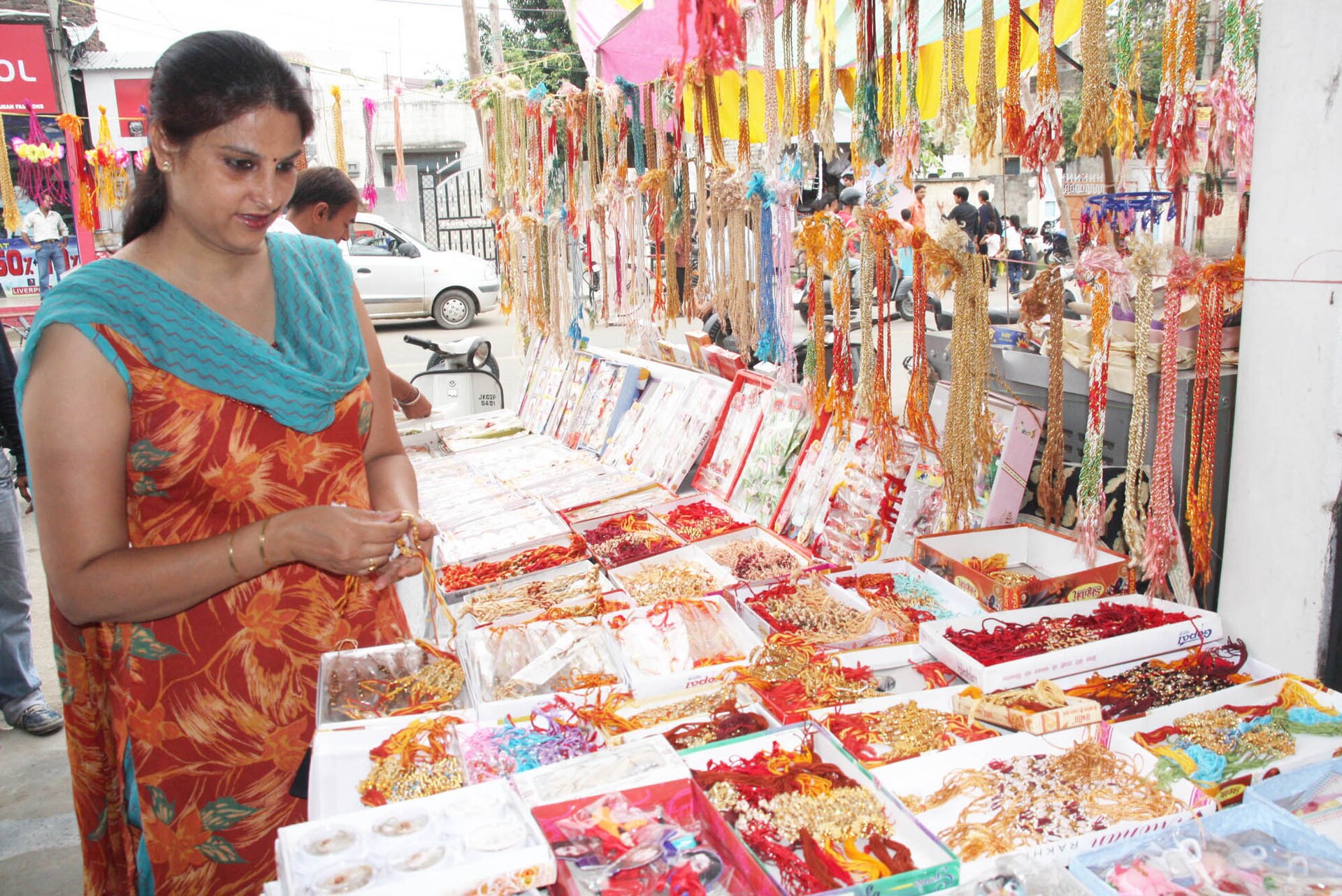
What Is the Shubh Muhurat for Tying Rakhi in 2026?
The shubh muhurat for tying Rakhi in 2026 falls on 27 August 2026, with traditionally auspicious windows including the Abhijit Muhurat (06:31:19 to 07:24:33), Amrit Choghadiya (00:18:44 to 01:58:32), and Shubh Choghadiya (03:38:20 to 05:18:08). Selecting a shubh muhurat (auspicious timing) for tying the Rakhi is a traditional way to invite positive energy into the sibling bond. In Jyotish (Vedic astrology), a window is generally considered auspicious when the planetary alignments, the tithi (lunar day), and the nakshatra (star constellation) harmonise to create a supportive atmosphere.
For the rakhi muhurat 2026, you may consider the following time windows on 27 August 2026 for the ceremony:
- Abhijit Muhurat: 06:31:19 to 07:24:33
- Amrit Choghadiya: 00:18:44 to 01:58:32
- Shubh Choghadiya: 03:38:20 to 05:18:08
The Abhijit Muhurat is traditionally regarded as a powerful window that can help neutralise some minor planetary afflictions, making it a popular choice for important rituals. Similarly, Choghadiya timings like Amrit (nectar) and Shubh (auspicious) are often preferred as they are associated with success and well-being.
When choosing your time, it is helpful to check the panchang to avoid Rahu Kaal, a period that classical texts describe as less favourable for starting new ventures or performing sacred rites. While these windows provide a traditional guide, the most important element of Raksha Bandhan remains the love and intention shared between siblings.
Bhadra Time on Raksha Bandhan 2026 — What to Know
On Raksha Bandhan 2026, the Bhadra period — also known as Vishti Karana — is a window that Vedic tradition generally considers less ideal for tying the Rakhi, and many families prefer to schedule the ceremony either before it begins or after it concludes. In Vedic astrology, the period of Bhadra is traditionally viewed as a time that may not be ideal for auspicious beginnings. Since Raksha Bandhan is a celebration of protection and sibling bonds, many families prefer to avoid tying the Rakhi during this specific window to ensure the ceremony aligns with positive cosmic energies.
For the raksha bandhan 2026 bhadra time, it is helpful to check the panchang to identify the exact timings for your location on 28 August 2026. Traditionally, the Vishti Karana is associated with tendencies that can hinder the fruition of a ritual, so classical texts often suggest scheduling the ceremony either before Bhadra begins or after it concludes.
While these timings provide a traditional guideline, the spirit of the festival remains rooted in love and intention. If you are planning your day, you may find it peaceful to coordinate with your family to find a shubh muhurat (auspicious timing) that falls outside the Bhadra period. This practice allows the ritual to flow in harmony with the lunar cycle and the prevailing karana, which often brings a sense of spiritual contentment to the participants.
Is There a Chandra Grahan on Raksha Bandhan 2026?
There is no Chandra Grahan (lunar eclipse) on Raksha Bandhan 2026 — the date falls on August 28, a Purnima (full moon) tithi, and astronomical data confirms the sky remains clear of any lunar eclipse on this day. Since no lunar eclipse takes place on this day, the rituals of tying the Rakhi can proceed without the concerns typically associated with eclipse timings or the observation of Sutak (the period of spiritual impurity preceding an eclipse).
In Vedic astrology, the Moon represents the mind and emotions, while the Purnima phase tends to amplify these energies. When a lunar eclipse does occur during a festival, it can sometimes create a sense of emotional turbulence or a need for extra caution regarding auspicious timings. However, since the sky remains clear of an eclipse for this specific date, the focus remains entirely on the bond of protection and love between siblings. You can refer to the panchang to track the precise movements of the Moon and find the most harmonious moments for your celebrations.
How Does the Chandra Grahan Affect Rakhi Rituals in India?
A Chandra Grahan (lunar eclipse) can affect Rakhi rituals in India by introducing traditional restrictions on auspicious activities, though these restrictions typically apply only if the eclipse is visible from the observer's geographical location. Classical texts generally suggest that auspicious rituals, such as tying the Rakhi, may be avoided during the actual duration of the eclipse and the accompanying Sutak (the period of spiritual impurity preceding the event). This is because the moon, which governs the mind and emotions, is traditionally seen as being obscured, which can potentially affect the purity of the ritual.
However, a fundamental principle in Jyotish (Vedic astrology) is that an eclipse only carries these ritual restrictions if it is visible from the observer's geographical location. If the lunar eclipse is not visible from India, the traditional restrictions and Sutak timings typically do not apply. In such cases, the festivities can proceed according to the standard panchang timings without the need for eclipse-related precautions.
For those who feel a personal inclination to follow traditional guidelines, the focus often shifts toward choosing a Muhurat (auspicious timing) that falls outside the eclipse window. This grounded approach allows families to honour the tradition of the festival while remaining mindful of the celestial alignments. By checking the local visibility of the eclipse, you can determine whether these classical tendencies apply to your specific celebrations.
Is Sutak Observed During the Chandra Grahan on Raksha Bandhan 2026?
Sutak for the Chandra Grahan on Raksha Bandhan 2026 is generally not observed in India if the lunar eclipse is not visible from that location — and when Sutak does not apply, the rituals of the festival can typically proceed without restriction. In Vedic tradition, Sutak is a period of spiritual impurity that traditionally precedes an eclipse. For a lunar eclipse (Chandra Grahan), this period often begins 9 hours before the eclipse starts. During Sutak, classical texts suggest avoiding the commencement of auspicious rituals, as the energy is traditionally considered unstable.
A key point of clarity for many readers is whether Sutak applies to everyone. In Jyotish tradition, the rules of Sutak and the restrictions associated with the eclipse generally apply only if the eclipse is visible from your specific geographical location. If the chandra grahan on Raksha Bandhan 2026 is not visible from India, the Sutak period is typically not observed, and the rituals of the festival can proceed according to the panchang.
For those who choose to follow these traditional practices, the focus often shifts toward meditation and prayer during the eclipse. It is helpful to remember that these guidelines describe spiritual tendencies and cultural observances rather than rigid laws. You may find it comforting to check the precise visibility of the eclipse in your city to determine if these traditional restrictions apply to your celebration.
How to Perform the Raksha Bandhan Ritual in 2026 — Step-by-Step
Performing the Raksha Bandhan ritual in 2026 begins with preparing a puja thali (ritual plate) containing a rakhi, kumkum (vermilion), akshat (unbroken rice grains), a small diya (oil lamp), and some sweets — and then following a mindful sequence of steps during an auspicious muhurat. To begin, prepare the puja thali as described above.
The ceremony typically follows a mindful sequence. First, the sister applies a tilak of kumkum and rice to the brother's forehead, which traditionally represents a prayer for his wellbeing. She then ties the rakhi around his right wrist while offering prayers. This act is often accompanied by the exchange of sweets and gifts, symbolising mutual love and protection.
Given the specific astrological context of 2026, timing is important. In Vedic tradition, rituals are generally avoided during Bhadra (an inauspicious period) and the Sutak associated with a lunar eclipse. To ensure the ceremony aligns with positive energies, it is advisable to use a rakhi muhurat 2026 — a shubh muhurat that falls outside these periods. You may check the precise timings for your location using a panchang to identify the most harmonious moment. Following these traditional guidelines tends to bring a sense of peace and spiritual alignment to the celebrations.
Raksha Bandhan 2026 at a Glance — Key Timings Summary
Raksha Bandhan 2026 falls on August 28, 2026, and the key timings for the day — including the Purnima tithi, Bhadra period, Shubh Muhurat, and any Chandra Grahan contact times — are summarised in the quick-reference table below. According to the panchang, the festival falls on August 28, 2026, coinciding with the Raksha Bandhan 2026 Purnima tithi (full moon).
| Event | Timing / Date |
|---|
| Raksha Bandhan Date | 28 August 2026 |
| Purnima Tithi Start | Refer to detailed panchang timings |
| Purnima Tithi End | Refer to detailed panchang timings |
| Bhadra Period | Check specific daily windows |
| Shubh Muhurat | Refer to auspicious windows below |
| Lunar Eclipse (Chandra Grahan) | Refer to eclipse contact times |
Traditionally, the ritual of tying the Rakhi tends to be avoided during the Raksha Bandhan 2026 Bhadra time, as classical texts associate this period with obstacles. Many families often prefer the Raksha Bandhan 2026 Shubh Muhurat (auspicious window) to ensure the ceremony aligns with positive planetary tendencies.
If a Chandra Grahan on Raksha Bandhan 2026 occurs, the period of Sutak (a traditional window of purification) may influence when rituals are performed. These timings can vary based on your location, so checking your local horoscope or a detailed calendar can be helpful. Please note that these timings are tendencies based on Vedic calculations and may vary slightly by region.
Frequently Asked Questions
Is Raksha Bandhan on 27 or 28 August 2026?
Raksha Bandhan is on 2026-08-28. According to the provided festival data, this auspicious purnima (full moon) falls on the 28th of August.
What is the Bhadra time on Raksha Bandhan 2026 and does it block the morning muhurat?
The specific Bhadra timings for 28 August 2026 are not provided in the current dataset. Traditionally, Bhadra is considered an inauspicious period during which tying the Rakhi is often avoided in Jyotish tradition.
Does the Chandra Grahan on Raksha Bandhan 2026 affect rituals for people in India?
The provided facts do not specify the timing or visibility of a Chandra Grahan (lunar eclipse) for this date. In Vedic tradition, rituals may be paused if an eclipse is visible in one's local region.
Is Sutak Kaal observed for the lunar eclipse on Raksha Bandhan 2026 in India?
The dataset does not provide details regarding a lunar eclipse or its associated Sutak Kaal (the traditional period of impurity) for this date. Sutak is typically observed only if the eclipse is visible in the specific geographical location.
What is the best time to tie Rakhi on 27 August 2026?
Raksha Bandhan falls on 28 August 2026, not 27 August. It is traditionally recommended to tie the Rakhi on the day of the festival during a favourable muhurat (auspicious timing).
What type of lunar eclipse occurs on Raksha Bandhan 2026 and where is it visible?
The provided authoritative facts do not contain information regarding the type or visibility of a lunar eclipse on 28 August 2026. For specific astronomical details, referring to a detailed panchang or astronomical calendar is traditionally suggested.
Images: Gnoeee (CC BY-SA 4.0) via Wikimedia Commons, vishal dutta photo's (CC BY 2.0) via Wikimedia Commons.
 Astrologger