The next Sawan (Shravan) month falls in July–August 2027, and its Mondays (Sawan Somwar) are the vrat days. The vrat vidhi and significance below apply each year — check the panchang for the exact Somwar dates.
When Does Sawan 2026 Start and End?
Sawan 2026 starts on 30 July 2026 and ends on 28 August 2026, according to the Purnimanta Hindu panchang used across North India. The holy month of Shravan, often regarded as the most auspicious time for the devotion of Lord Shiva, opens on a Thursday and closes on Shravan Purnima.
For those following the lunar calendar, the shravan month 2026 dates run from 30 July through 28 August 2026, when the month closes on the Purnima (full moon) that is also celebrated as Raksha Bandhan. This duration typically aligns with the monsoon season, a time when nature flourishes and the atmosphere tends to feel more spiritually charged.
In Vedic tradition, the period of Sawan can offer a profound sense of peace and mental clarity. Many practitioners find that focusing on meditation and fasting during this time may help in grounding their energy. While the dates provide a structured timeline, the essence of the month lies in personal devotion and the quiet intention one brings to their prayers. Traditionally, this month is seen as a window where the connection between the devotee and the divine can feel more accessible, allowing for a period of internal reflection and spiritual renewal.
Talk to an astrologer about your prayers and remedies. First message free · ₹25/min
How Many Somwar Vrats Are There in Sawan 2026?
Sawan 2026 contains four Somwar Vrats (Monday fasts), offering devotees four special opportunities to connect with Lord Shiva through prayer and discipline.
You may notice that the number of Mondays varies from year to year. This happens because the Hindu calendar is lunar, meaning the start and end dates of a month like Sawan (the month of Shravana) shift relative to the Gregorian calendar. Depending on which day of the week the month begins and whether the lunar cycle spans a few extra days, a particular Sawan may have four or five Mondays.
Observing these fasts is a traditional practice that often helps a seeker cultivate inner peace and mental clarity. While the number of fasts can change, the spiritual essence remains the same. Following these dates tends to bring a sense of rhythm to one's spiritual practice, allowing the devotee to align their energy with the cooling, rejuvenating nature of the monsoon season.
All Sawan Somwar 2026 Dates at a Glance
In 2026, the holy month of Sawan (Shravana) brings four Somwar (Monday) fasts — falling on 3 August, 10 August, 17 August, and 24 August — based on the lunar calendar. Having the dates clearly mapped out helps in preparing the heart and mind for this period of deep devotion to Lord Shiva. Here is the complete Sawan 2026 Somwar vrat list for easy reference.
These Mondays are often seen as auspicious windows for meditation and prayer, as the energy of the month tends to support inner peace and emotional healing.
| Sawan Somwar | Date | Paksha (Lunar Fortnight) |
|---|
| 1st Somwar | 3 August 2026 | Krishna Paksha (waning) |
| 2nd Somwar | 10 August 2026 | Krishna Paksha (waning) |
| 3rd Somwar | 17 August 2026 | Shukla Paksha (waxing) |
| 4th Somwar | 24 August 2026 | Shukla Paksha (waxing) |
Note that the third Somwar (17 August) coincides with Nag Panchami, and the fourth (24 August) falls in the second half of the month. Observing the Sawan Somwar Vrat (fast) is a traditional practice that many believe can help align one's energy with the divine. While the dates provide a structure, the essence of the practice often lies in the sincerity of the devotee. Many practitioners also look forward to Sawan Shivratri, which falls during the Krishna Paksha (waning phase) of the month on 11 August, serving as a peak point for spiritual connection.
When Is Sawan Shivratri in 2026?
Sawan Shivratri in 2026 falls on 11 August (Tuesday), coinciding with the Krishna Paksha Chaturdashi tithi (the fourteenth lunar day of the waning moon), according to the panchang. This is the Masik Shivratri — the monthly observance of Lord Shiva — occurring within the holy month of Sawan.
It is helpful to distinguish this from Maha Shivaratri, which occurred earlier in the year on 15 February 2026. While Maha Shivaratri is the grand annual celebration marking a pivotal cosmic event, Masik Shivratri is a monthly occurrence. Devotees often find that observing the monthly Shivratri during Sawan carries a special resonance, as the entire month is dedicated to Mahadev.
For those following traditional practices, the most auspicious timing for puja is the Pradosh Kaal. This period typically begins around sunset and lasts for roughly two and a half hours. Performing prayers during this window can create a peaceful atmosphere for meditation. Because sunset times differ by city, it is best to confirm your local Pradosh Kaal for 11 August against a current panchang. These observations are traditional tendencies meant to foster spiritual connection, and the experience of the day can vary based on individual faith and devotion.
What Is the Significance of Sawan Somwar Vrat?
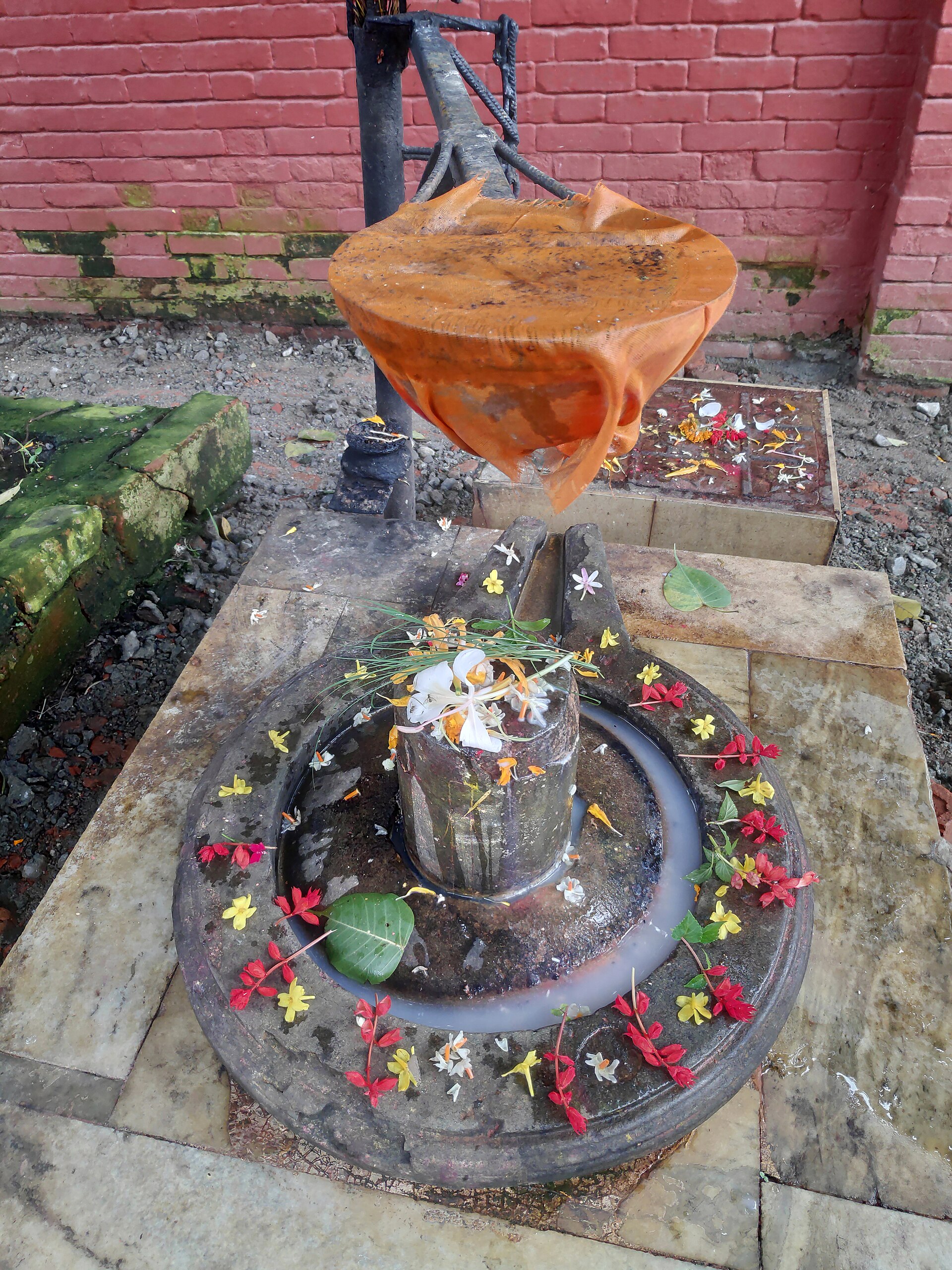
Sawan Somwar Vrat is significant as a devotional practice observed on the Mondays of the sacred month of Shravana, traditionally dedicated to Lord Shiva as a way to honor his act of consuming the Halahala poison during the Samudra Manthan, the churning of the cosmic ocean. Devotees offer water or milk to the Shiva Lingam during this period to symbolically cool the heat of that poison, as described in classical texts.
Spiritually, this vrat represents a journey toward inner discipline and mental clarity. By observing a fast, a practitioner may seek to align their physical energy with their spiritual intentions. It is believed that the rainy season naturally encourages introspection, making it an ideal time for meditation and prayer. Rather than a rigid rule, the fast is often viewed as a gentle way to detoxify the body and mind. Many believe that this devotion can foster a sense of peace and emotional stability, though the experience varies for everyone. Through these traditional practices, the devotee tends to cultivate a closer connection with the divine, focusing on the virtues of patience and surrender.
For those planning ahead, keeping a sawan 2026 somwar vrat list can help structure this month of devotion with greater intention and ease.
How Is Sawan Monday Fast 2026 Observed?
The Sawan Monday fast 2026 is generally observed by beginning the day with a purifying bath, visiting a temple, and performing Jalabhishek — the act of pouring water over the Shiva Lingam — as the central ritual of devotion. Observing the sawan monday fast 2026 is a deeply personal journey of devotion. In the Jyotish tradition, these Mondays are often seen as auspicious times to align oneself with the energies of Lord Shiva.
Central to the ritual is Jalabhishek, the act of pouring water over the Shiva Lingam (the symbolic representation of Shiva). Many devotees also offer Bel Patra (leaves of the wood apple tree), raw milk, honey, and sandalwood paste, as these are traditionally considered pleasing to the deity. Prayers often include the chanting of the Maha Mrityunjaya Mantra or the simple "Om Namah Shivaya" to seek mental peace and spiritual growth.
Dietary practices vary based on family traditions. Some may observe a complete fast, while others prefer a Phalahar (fruit-based diet), avoiding grains and non-vegetarian food. The fast is generally broken in the evening after the final puja, often with a simple, sattvic meal.
Regional nuances add beauty to these practices. In North India, the Kanwar Yatra is a prominent feature where devotees carry holy water from the Ganges. In the South, the focus often leans towards elaborate Alankaram (decoration) of the deity. Regardless of the region, the practice tends to be more about the intention and devotion than the strictness of the ritual.
What Can You Eat During Sawan 2026 Fasting Days?
During Sawan 2026 fasting days, practitioners traditionally eat Sattvic, plant-based foods such as fruits, dairy, fasting flours like Kuttu or Singhara, and Sabudana, while avoiding grains like wheat and rice as well as non-vegetarian food. Observing a vrat (fast) during Sawan is a traditional way to express devotion to Lord Shiva. Because this period is associated with purification and spiritual discipline, dietary choices often shift toward Sattvic foods, which are believed to promote a calm and clear mind.
Many people ask whether non-vegetarian food is permitted during Sawan. In Jyotish tradition and common practice, non-veg food is traditionally avoided throughout the entire month of Sawan, regardless of whether one is fasting on a specific Monday. This abstinence is often viewed as a mark of respect and a way to maintain internal purity.
On the actual Somwar (Monday) fasting days — part of the sawan monday fast 2026 observance — certain grains like wheat and rice are typically avoided. Instead, practitioners often rely on Phalahar (fruit-based diet). Permitted foods generally include:
- Fruits and fresh coconut water.
- Dairy products such as milk, curd, and paneer.
- Specific fasting flours like Kuttu (buckwheat) or Singhara (water chestnut).
- Sabudana (tapioca pearls) and Sendha Namak (rock salt) instead of common table salt.
These guidelines may vary based on family customs or regional traditions. The practice is generally seen as a personal journey of discipline, and the level of strictness often depends on an individual's health and devotion.
Sawan 2026 Complete Calendar: Key Dates Summary
Sawan 2026 begins on 30 July 2026 and concludes on 28 August 2026, with four Sawan Somwar (Monday) fasts falling on 3, 10, 17, and 24 August, and Sawan Shivratri on 11 August. For those planning their spiritual practice, having a clear view of the calendar helps in aligning with the lunar energies of the month. The Shravana (Sawan) period is traditionally seen as a time of deep devotion and purification — below is the sawan 2026 somwar vrat list along with other key dates.
Based on the Purnimanta calendar, Sawan 2026 begins on 30 July 2026. This auspicious month concludes on 28 August 2026, coinciding with Raksha Bandhan.
| Event | Date |
|---|
| Sawan Start Date | 30 July 2026 |
| 1st Sawan Somwar | 3 August 2026 |
| 2nd Sawan Somwar | 10 August 2026 |
| 3rd Sawan Somwar | 17 August 2026 |
| 4th Sawan Somwar | 24 August 2026 |
| Sawan Shivratri | 11 August 2026 |
| Nag Panchami | 17 August 2026 |
| Raksha Bandhan (Sawan End) | 28 August 2026 |
In 2026, there are four Somwar vrats (Monday fasts). Many devotees observe these fasts as they tend to foster mental peace and spiritual discipline. Sawan Shivratri 2026, falling on 11 August, is often regarded as a potent day for meditation and offerings to Lord Shiva.
While traditional practices often suggest avoiding non-vegetarian food during this month to maintain Sattvic (pure) energy, these choices remain personal. Following these dates can help you synchronize your daily rhythm with the seasonal shifts and lunar phases.
Frequently Asked Questions
Sawan 2026 mein kitne somwar hain?
In 2026, Sawan has four Somwar (Mondays): 3, 10, 17 and 24 August in the North Indian Purnimanta calendar. Regions that follow the Amanta calendar keep Shravan on different dates, so the count of Mondays can differ there.
Which day of the week does Sawan month begin in 2026?
Sawan 2026 begins on Thursday, 30 July, in the Purnimanta calendar used across North India. The exact start date varies by regional calendar tradition, so it is worth confirming against a current panchang.
Can we eat non-veg during Sawan 2026?
In Jyotish and Hindu tradition, many people choose to avoid non-vegetarian food during Sawan as a mark of purity and devotion to Lord Shiva. This is a traditional practice of self-discipline rather than a mandatory rule for everyone.
What is the difference between Sawan Shivratri and Maha Shivratri?
Maha Shivratri is a major annual festival occurring on 15 February 2026, marking the great night of Shiva. Sawan Shivratri (a Masik or monthly Shivratri) falls on 11 August 2026, during the holy month of Shravana, and is traditionally associated with the monsoon season's spiritual energy.
Does observing Sawan Somwar vrat require a full-day fast?
The intensity of the Sawan Somwar vrat (Monday fast) varies according to individual tradition and health. Some may observe a full-day fast, while others may follow a partial fast by consuming fruits and milk.
How does Shravan month 2026 differ in North India versus South India?
The difference lies in the calendar system: North India generally follows the Purnimanta system (month ends on the full moon), while South India follows the Amanta system (month ends on the new moon). This can lead to the month of Shravana starting and ending on different dates across these regions.
Images: Gaurav Dhwaj Khadka (CC BY-SA 4.0) via Wikimedia Commons, शिव साहिल (CC BY-SA 4.0) via Wikimedia Commons.
 Astrologger