What Is Sawan Somwar Vrat and Why Is It Observed?
Sawan Somwar Vrat is the practice of observing fasts on the Mondays (Somwar) of the holy month of Shravan (Sawan), rooted in devotion and mental discipline rather than a rigid set of rules. The sawan somwar vrat vidhi — the method and intention behind the fast — is rooted in devotion and mental discipline rather than a rigid set of rules. In the Hindu calendar, Shravan is a period often associated with renewal and the peak of the monsoon, which traditionally creates a serene atmosphere for spiritual practice. This month is deeply connected to Lord Shiva, as classical texts associate this time with his benevolence and the pouring of the holy Ganges.
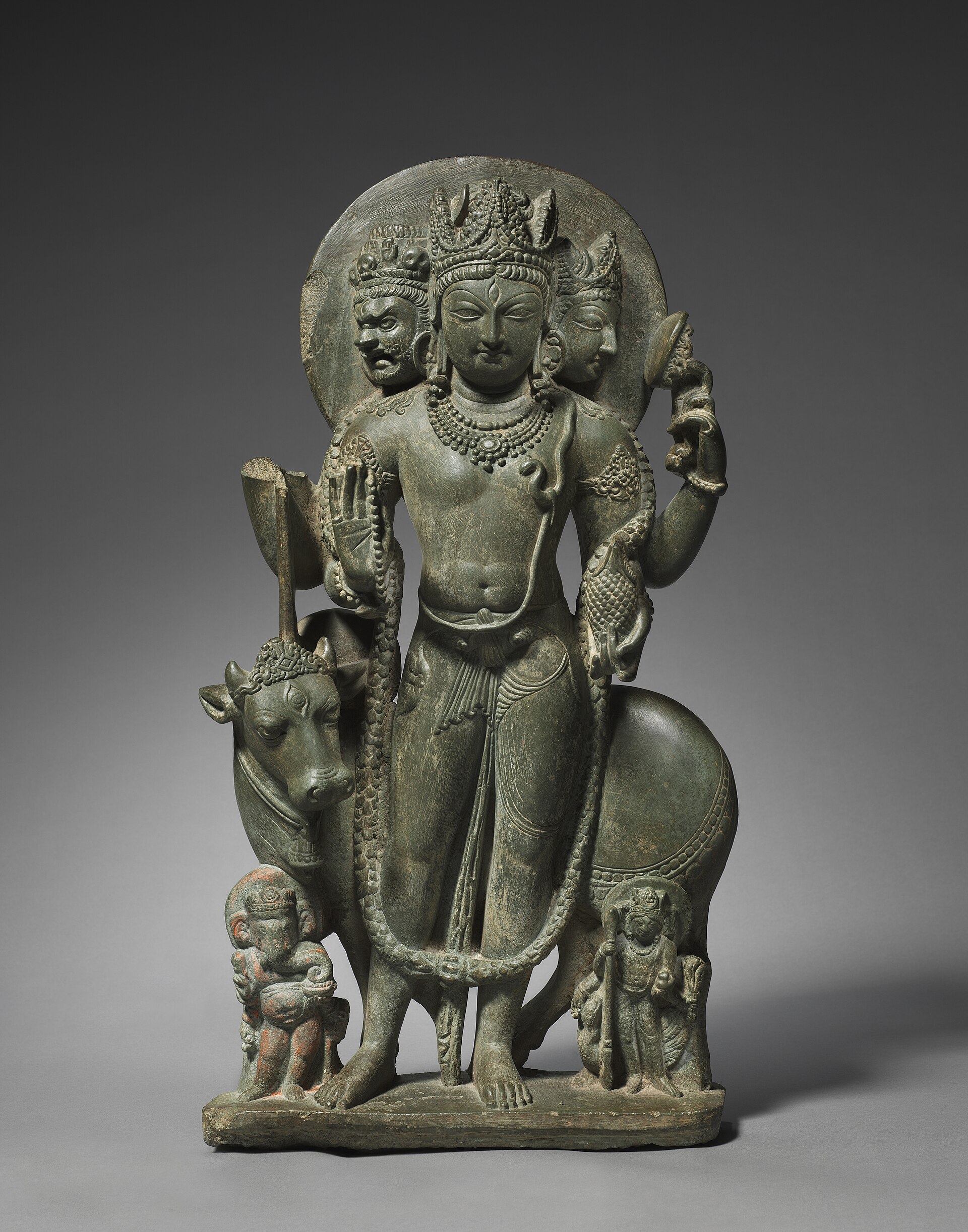
The intention behind the vrat is generally one of devotion and mental discipline. By observing a fast, a practitioner may seek to align their inner energy with the meditative qualities of Shiva. For many, this practice is a way to cultivate patience and gratitude. Married women often observe these fasts for the well-being of their families, while unmarried individuals may do so in hopes of finding a compatible partner.
Rather than promising a specific miracle, the tradition suggests that such discipline can lead to a sense of inner peace and spiritual clarity. The practice is an invitation to slow down and focus on the divine. Depending on the Panchang (the traditional Vedic almanac), the number of Mondays in the month can vary, and each one offers a fresh opportunity to engage in puja and reflection.
Talk to an astrologer about your prayers and remedies. First message free · ₹25/min
How Many Mondays Are There in Sawan 2026?
In Sawan 2026, there are generally four Mondays falling within the sacred window of the Shravan month, though the exact count can vary by region depending on Panchang calculations. Determining the number of Mondays in Sawan 2026 requires a look at the Panchang, the traditional Vedic almanac. Because the lunar month of Shravan is based on the Moon's cycle, the exact shravan somwar vrat dates 2026 vary by region. In North India, which follows the Purnimanta calendar, Sawan 2026 runs from 30 July to 28 August, and this guide uses those dates.
Based on that reckoning, the four Mondays falling within this sacred window are:
- 3 August 2026 (First Sawan Somwar)
- 10 August 2026 (Second Sawan Somwar)
- 17 August 2026 (Third Sawan Somwar)
- 24 August 2026 (Fourth Sawan Somwar)
Depending on the specific tithi (lunar day) calculations, some regions may observe a different count. This variation often happens because of the difference between the Purnimant calendar, used mostly in North India where the month ends on the full moon, and the Amavasyant calendar, common in South India where the month ends on the new moon.
For those observing the Sawan Somwar vrat for the first time, these dates provide a guide for devotion. Traditionally, these Mondays are seen as auspicious times to offer water or milk to Lord Shiva. While the number of Mondays can change from year to year, the essence of the practice remains a personal journey of faith and discipline. These dates serve as traditional markers rather than rigid rules, as regional customs often take precedence.
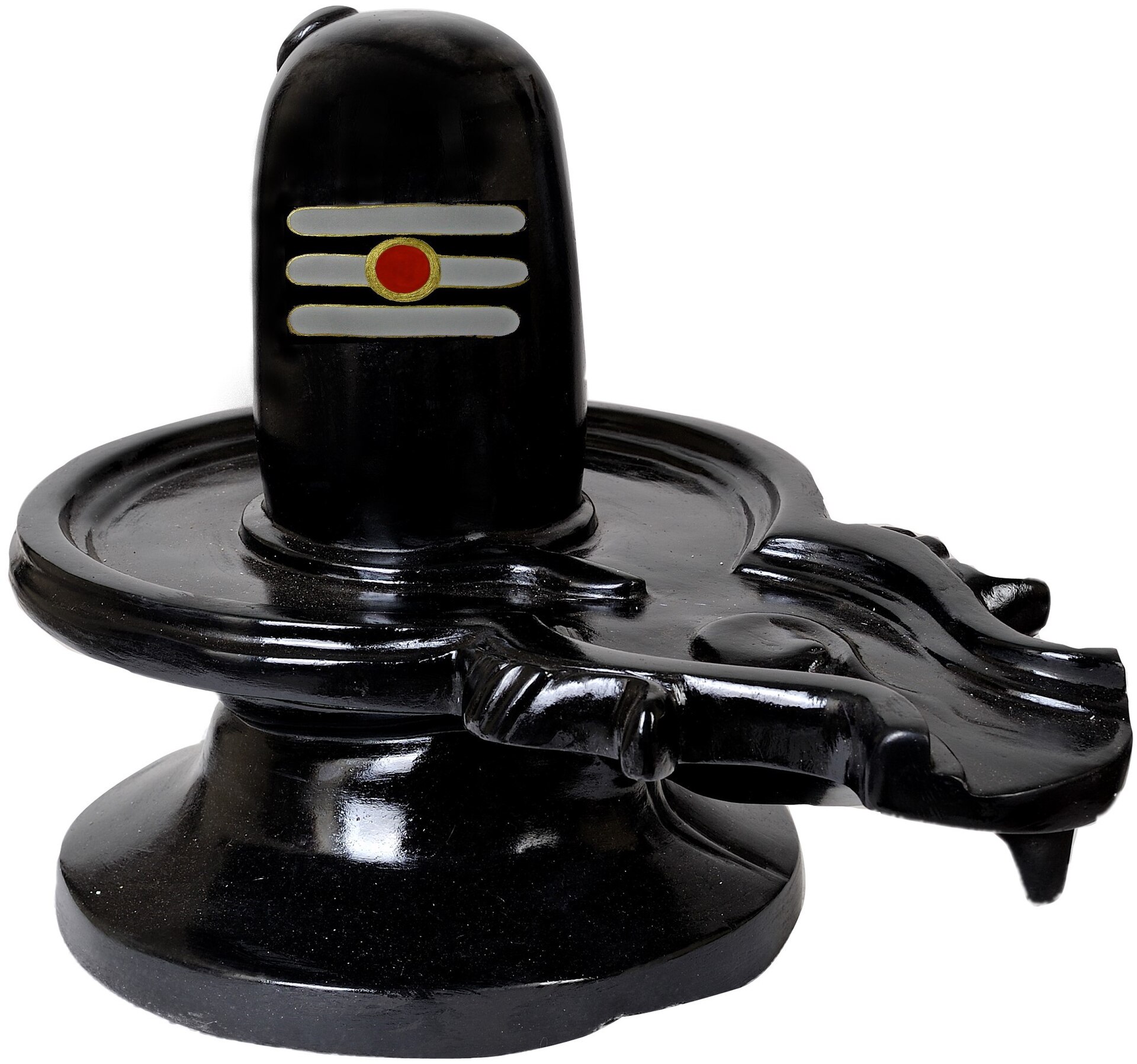
How to Start Sawan Somwar Vrat for the First Time
Starting Sawan Somwar Vrat for the first time is traditionally done by beginning on the first Monday of the holy month of Shravan, though any Monday within Sawan is generally considered acceptable, with the tradition emphasizing devotion over perfection. Understanding the basic sawan somwar vrat niyam before you begin can help you feel more grounded in the practice.
The process begins with a Sankalp, which is a formal statement of intention. To perform this, hold a little water and a few grains of rice in your right palm. Quietly tell Lord Shiva why you are observing the fast and how many Mondays you intend to observe. This act transforms a simple diet change into a spiritual practice, as it anchors your resolve.
Many practitioners wonder if a priest is necessary for this process. While a priest can provide guidance on complex rituals, a Sankalp is a personal conversation between the devotee and the Divine. You can comfortably perform this at home.
If you make a mistake in the ritual steps, remember that Vedic tradition often suggests that a sincere heart outweighs a technical error. The fast is a journey of discipline and patience; it tends to be more about your inner state than a rigid checklist. Focus on your breath and your devotion, allowing the practice to unfold naturally.
What Items Are Needed for Shiva Puja on Sawan Somwar?
Shiva Puja on Sawan Somwar traditionally calls for a set of sawan somwar vrat samagri (puja materials) that includes pure water, raw milk, Bilva leaves, Dhatura fruit and flowers, Bhasma, incense, a lamp, sandalwood paste, and fresh fruits and sweets. Gathering the right sawan somwar vrat samagri beforehand means you can move through the puja without interruption. While the depth of your devotion is what truly matters, these traditional offerings often serve as symbolic bridges to the divine.
You may wish to gather the following items:
- Pure Water (Ganga Jal): Used for Abhishekam (ritual bathing), representing the purification of the soul.
- Raw Milk: Traditionally offered to soothe the Shiva Lingam and symbolize purity.
- Bilva Leaves: These three-lobed leaves are highly dear to Lord Shiva and can represent the three gunas (qualities) of nature.
- Dhatura Fruit and Flowers: These are often used to symbolize the surrender of our ego and poisons of the mind.
- Bhasma (Sacred Ash): A reminder of the ephemeral nature of physical existence.
- Incense and Deepam (Lamp): The fragrance and light may help create a meditative atmosphere and dispel darkness.
- Sandalwood Paste: Often applied to provide a cooling effect and a pleasing scent.
- Fresh Fruits and Sweets: Offered as Naivedyam (food offering) to express gratitude.
Depending on your local tradition, you might also include honey or curd. These elements are generally viewed as tools to focus the mind, and their use can tend to enhance the overall spiritual experience of the fast.
Step-by-Step Sawan Somwar Puja Vidhi
The sawan somwar puja vidhi is a classical sequence of devotional steps that is traditionally seen as a way to align oneself with the meditative energy of Lord Shiva. While every household may have its own customs, the classical sequence generally follows these steps:
- Early Awakening and Snana: Begin the day with a morning bath (snana) to cleanse the body and mind.
- Sankalp: Sit quietly and take a formal pledge (sankalp), stating your intention for the fast and the puja.
- Shiva Abhishek: Bathe the Shiva Lingam with water, milk, honey, or curd. This ritual bathing, known as abhishek, is often accompanied by the chanting of the Shiva Panchakshara mantra, "Om Namah Shivaya". This five-syllable mantra is traditionally used to focus the mind and evoke a sense of peace.
- Offerings: Offer bilva-patra (bael leaves), white flowers, and sandalwood paste. In Jyotish tradition, these offerings are associated with cooling the temperament and inviting auspiciousness.
- Katha and Aarti: Read or listen to the Sawan Somwar Vrat katha (sacred story) and conclude with a heartfelt aarti.
- Breaking the Fast: Depending on your tradition, the fast may be broken in the evening with a simple, satvik meal.
Following these steps with devotion may help create a meditative atmosphere, as these practices are traditionally considered conducive to mental clarity and spiritual grounding.
Sawan Somwar Vrat Niyam: Fasting Rules to Follow
The sawan somwar vrat niyam refers to a set of fasting rules that are traditionally observed to align one's inner energy with the calming nature of Lord Shiva. While the depth of the fast varies by personal capacity, certain sawan somwar fasting rules are often followed to maintain the sanctity of the day.
Dietary practices typically involve avoiding grains, onions, and garlic. Many devotees prefer a phalahar (fruit-based diet), consuming fresh fruits, milk, and sago. The fast is generally broken in the evening after the puja, though some choose to continue until the next morning.
Beyond food, the tradition emphasises behavioural purity. Devotees often practise brahmacharya (celibacy) and strive for truthfulness in speech and thought. Avoiding leather items, such as belts or bags, is a common practice to maintain a sattvic (pure) vibration.
It is important to remember that these rules are tendencies based on tradition, not rigid mandates. Flexibility is encouraged for those in specific life stages. The elderly, those managing illnesses, and pregnant women may adapt the fast to suit their health needs. In these cases, a partial fast or a diet of light, healthy foods is traditionally considered acceptable, as the intention and devotion are viewed as more significant than the strictness of the ritual.
What Can You Eat and What Should You Avoid During the Fast?
During the Sawan Somwar fast, traditionally permitted foods include fruits, nuts, dairy, and vrat-friendly grains like sabudana, kuttu, and singhara, while grains like wheat and rice, pungent vegetables, non-vegetarian items, and regular salt are typically avoided. Observing a fast during Sawan Somwar is often seen as a way to cleanse the body and mind while focusing on devotion. Depending on your health and tradition, you may choose a full fast or a partial one. Knowing the right sawan somwar vrat samagri — the ingredients and food items associated with the fast — can help you prepare thoughtfully.
Foods You Can Enjoy
Traditionally, those observing the vrat (fast) lean toward Sattvic foods, which are believed to keep the mind calm. You can include:
- Fruits and Nuts: Fresh seasonal fruits and soaked almonds or walnuts.
- Dairy: Milk, curd, and paneer.
- Vrat-friendly Grains: Sabudana (tapioca pearls), Kuttu (buckwheat flour), and Singhara (water chestnut flour).
- Seasoning: Sendha Namak (Himalayan rock salt) is used instead of common table salt.
Foods to Avoid
To maintain the spiritual purity of the fast, certain ingredients are typically avoided:
- Grains and Legumes: Wheat, rice, and lentils are generally omitted.
- Pungent Vegetables: Onion and garlic are avoided as they are thought to stimulate restlessness.
- Non-Vegetarian Items: Meat, fish, and eggs are strictly avoided.
- Intoxicants: Alcohol and other stimulants are kept away.
- Regular Salt: Common processed salt is replaced by rock salt.
Following these guidelines can help you feel lighter and more focused during your prayers. Remember that these are traditional tendencies; you can always adapt your diet to suit your medical needs.
What Does Sawan Somwar Vrat Mean for Unmarried Girls and Married Women?
The Sawan Somwar vrat holds different traditional meanings for unmarried girls and married women — unmarried girls typically observe it in the hope of finding a virtuous partner, while married women often fast for the well-being and longevity of their husband and family. This fast (Monday fast) is often observed with different intentions, deeply rooted in the sacred narrative of Lord Shiva and Goddess Parvati. In Vedic tradition, Parvati Maa performed intense penance and rigorous fasting to win the heart of Lord Shiva, eventually achieving a union that defines the ideal divine partnership. This story also forms part of the broader solah somwar vrat tradition, in which sixteen consecutive Mondays are observed with special devotion.
For unmarried girls, this practice is traditionally associated with the hope of finding a compatible and virtuous partner. By observing the vrat, they seek to align themselves with the qualities of devotion and patience, which may help in attracting a spouse who shares similar values. It is seen as a way to invite harmony and auspiciousness into their future marital life.
Married women often observe these fasts with a focus on the well-being and longevity of their husband and the overall prosperity of the family. The intention is usually to cultivate a bond of love and mutual respect, mirroring the enduring relationship of Shiva and Shakti.
It is important to remember that these practices are cultural and spiritual tendencies rather than often reported outcomes. While many find peace and strength through these rituals, the vrat is primarily a path of personal devotion and a way to connect with the divine energy of the Sawan month.
Solah Somwar Vrat: How Does It Differ from Sawan Somwar Vrat?
Solah Somwar Vrat and Sawan Somwar Vrat both involve fasting on Mondays to honor Lord Shiva, but they follow different paths. Sawan Somwar fasts are specific to the holy month of Shravan (Sawan), a period traditionally associated with the peak of Shiva's cosmic energy. These fasts are limited to the number of Mondays that occur within that specific lunar month.
In contrast, Solah Somwar refers to a commitment of sixteen consecutive Mondays. This practice often begins on a Monday of the waxing moon (Shukla Paksha), though some practitioners choose to start during Sawan to combine the benefits of both. Solah Somwar vrat involves its own specific katha (sacred story), which is traditionally recited during the puja to focus the mind and heart.
It is common for these two traditions to overlap. A devotee may start their sixteen-week journey during Sawan, meaning the first few Mondays of their Solah Somwar cycle coincide with the Sawan Somwar dates. While Sawan fasts are generally observed by anyone seeking spiritual peace, Solah Somwar is often approached as a dedicated vow for a specific intention. Because these are matters of faith and personal discipline, the experience can vary. Following the guidance of a family elder or a local Panchang (traditional Vedic almanac) can help in choosing the most auspicious start date for your journey.
Frequently Asked Questions
Can Sawan Somwar vrat be observed without a priest at home?
Yes, Sawan Somwar vrat can be observed at home through personal devotion. In Jyotish tradition, the sincerity of the devotee's heart is often considered more significant than the presence of a priest.
Is it necessary to keep a nirjala (waterless) fast on Sawan Somwar?
No, it is not strictly necessary for everyone to keep a nirjala fast. Many practitioners traditionally choose a 'phalahari' fast, which allows for the consumption of fruits and water to maintain energy.
At what time should the Sawan Somwar fast be broken?
The fast is traditionally broken after the evening puja or after the moonrise, depending on family customs. Many devotees prefer to break their fast after offering the final prayers to Lord Shiva in the evening.
Can someone with a health condition observe a partial Sawan Somwar fast?
Yes, those with health conditions are encouraged to adapt the fast to their physical needs. Traditional wisdom suggests that devotion should not come at the cost of health, and a partial fast may be a suitable alternative.
Does the Sawan Somwar vrat follow the same dates in South India as in North India?
Dates may vary because different regions use different Panchang (Vedic almanac) systems. Specifically, the Purnimant calendar is common in the north, while the Amavasyant calendar is often used in the south, which can lead to differences in tithi calculations.
Images: Wikimedia Commons contributor (CC0) via Wikimedia Commons, शिव साहिल (CC BY-SA 4.0) via Wikimedia Commons.
 Astrologger