When is Guru Nanak Jayanti in 2026?
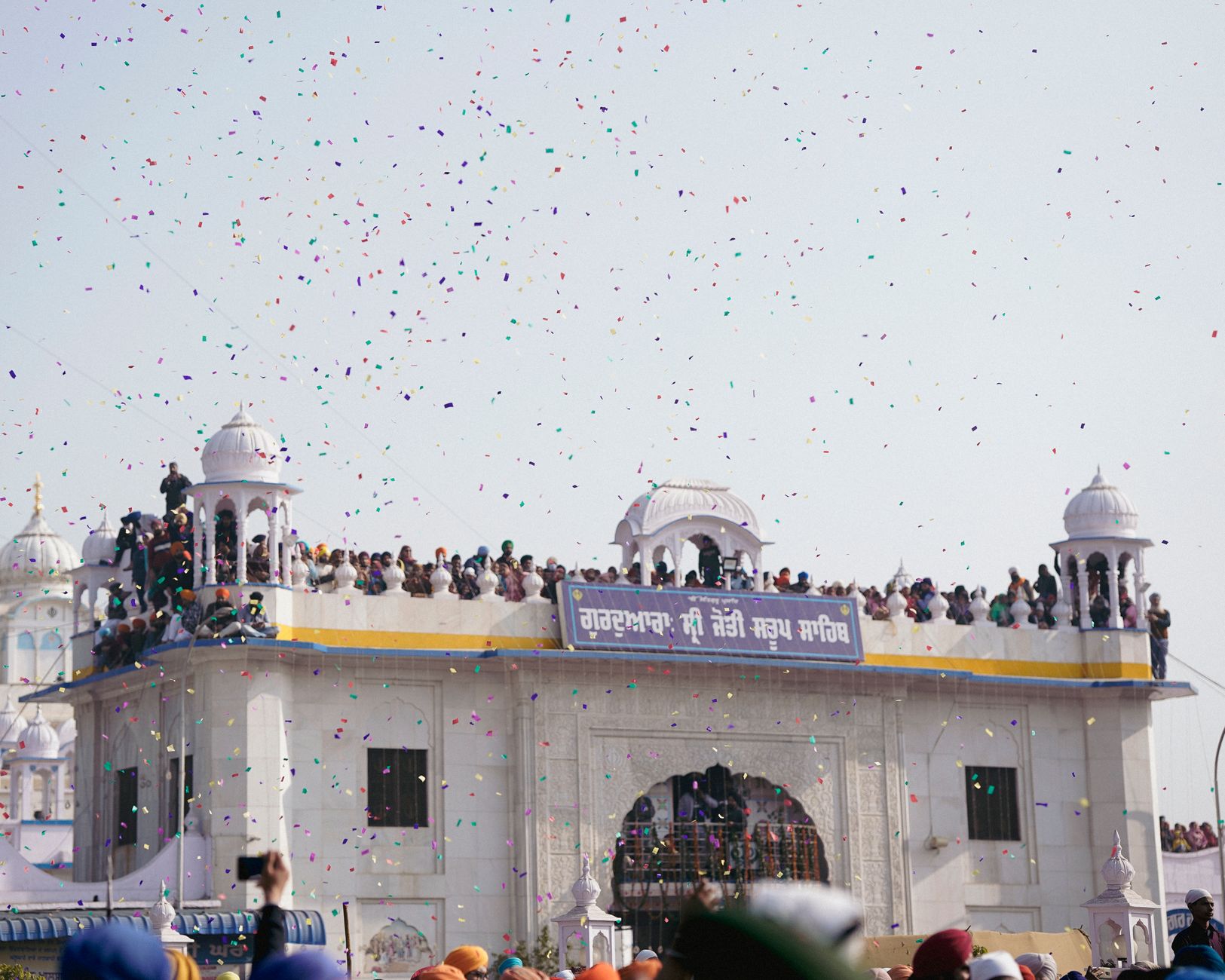
Guru Nanak Jayanti in 2026 falls on November 24, a date that traditionally coincides with Kartik Purnima (the full moon day of the lunar month of Kartik), a time often associated with spiritual purity and enlightenment. It marks the close of the Kartik festival season that begins with Diwali Lakshmi Puja on 8 November and includes Govardhan Puja and Bhai Dooj on 10–11 November.
Guru Nanak Jayanti & Kartik Purnima 2026: Key Timings
| Event | Date | Time (IST, New Delhi) |
|---|
| Guru Nanak Jayanti / Kartik Purnima | Tuesday, 24 November 2026 | — |
| Brahma Muhurta (holy snan) | 24 November 2026 | 05:03 AM – 05:57 AM |
| Sunrise | 24 November 2026 | 06:51 AM |
| Purnima Tithi begins | 23 November 2026 | 11:42 PM |
| Purnima Tithi ends | 24 November 2026 | 08:23 PM |
Timings are for New Delhi and shift by a few minutes in other cities — confirm against your local panchang.
Because the tithi (lunar day) timings can vary, observing the precise window for the Purnima phase helps in planning prayers and celebrations. For those following the panchang, this alignment marks a meaningful moment for reflection and devotion.
In the Vedic tradition, Kartik Purnima is frequently regarded as one of the most auspicious days of the year. It is often called Dev Diwali, as it is believed that the deities themselves celebrate on this night. Many practitioners choose to perform a holy dip or snan (ritual bath) during this time, as classical texts suggest this practice can help cleanse the mind and spirit. While Guru Nanak Jayanti typically aligns with this full moon, the specific ways of celebration may vary across different traditions. Whether you are seeking a moment of quiet meditation or participating in community langar, this day tends to foster a sense of universal brotherhood and peace.
Talk to an astrologer about what this means for your chart. First message free · ₹25/min
What is the Kartik Purnima 2026 date and when does the tithi begin?
Kartik Purnima 2026 falls on November 24, with the Purnima tithi ending on that date — and because lunar days do not align perfectly with the solar calendar, practitioners often consult a panchang to determine the most auspicious window for their observances.
The precise start and end times matter because certain activities, such as the kartik purnima snan 2026 (holy dip in a river), are traditionally performed when the Purnima tithi is prevailing during the daylight hours. Taking a dip during this specific window can often be seen as a way to cleanse the spirit and invite positive energy. This day is also traditionally known as Dev Diwali, as it is believed the deities descend to earth to celebrate.
For those observing Guru Nanak Jayanti, which coincides with this full moon, the timing helps in organizing prayers and community feasts. Aligning these spiritual practices with the lunar cycle tends to create a deeper sense of harmony with the natural rhythms of the cosmos. You can check the panchang today to see how current lunar phases may influence your daily energy and spiritual inclinations.
What is the muhurat for Kartik Purnima snan 2026?
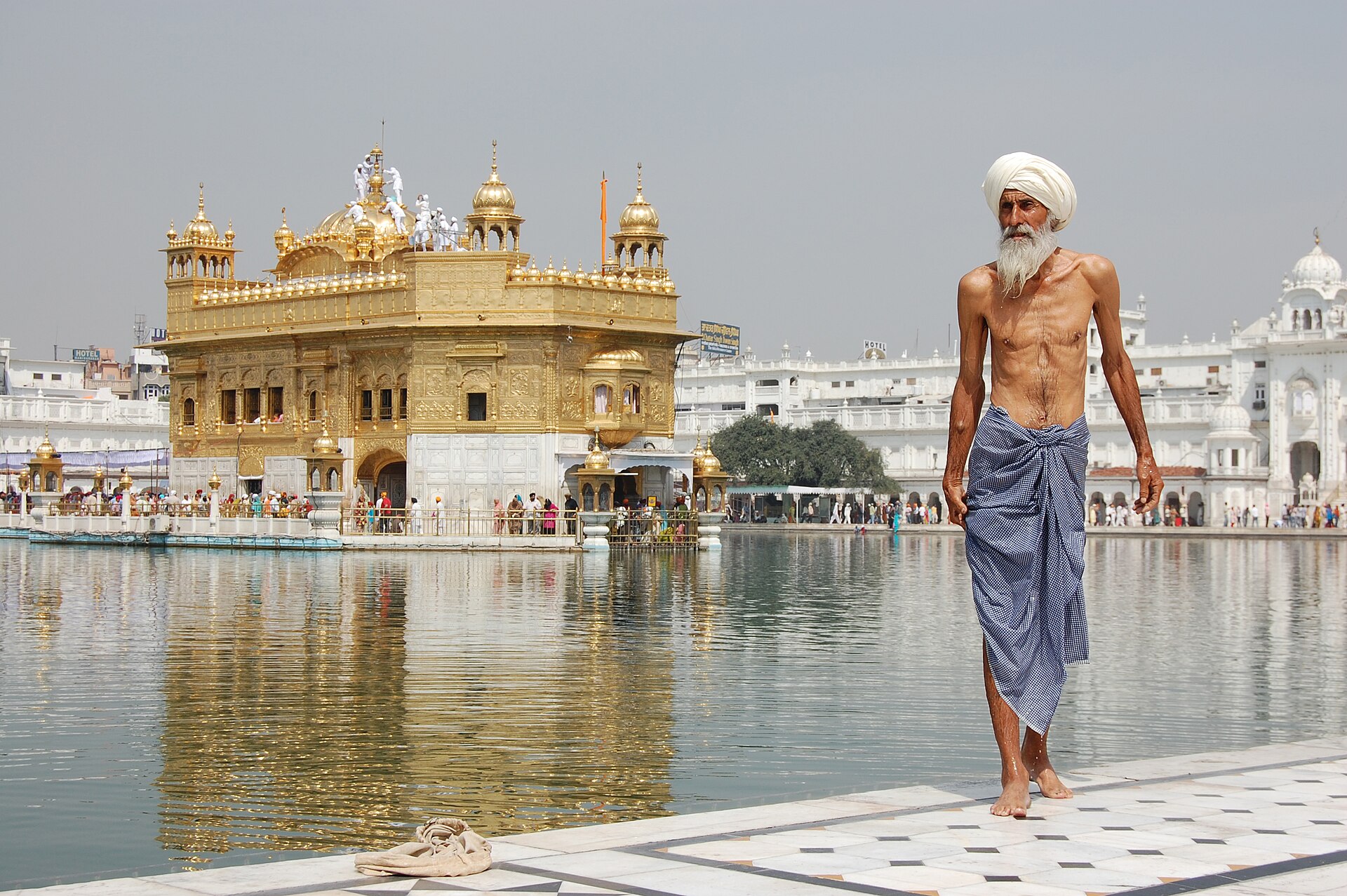
The muhurat for Kartik Purnima snan 2026 is traditionally anchored in the pre-dawn hours, with the Brahma Muhurta — often regarded as the most auspicious window for the holy bath, spiritual practice and meditation — running from about 05:03 AM to 05:57 AM on 24 November 2026 (New Delhi).
The holy dip is traditionally taken from the Brahma Muhurta through sunrise, which falls at 06:51 AM on 24 November 2026. The Purnima tithi itself begins at 11:42 PM on 23 November and ends at 08:23 PM on 24 November 2026, so the whole of the daylight period on 24 November carries the Purnima observance. Confirm the exact minutes for your city with a local panchang.
Calculating these windows involves a careful study of the panchang, the traditional Vedic almanac. Scholars determine the bathing muhurat by analyzing the intersection of the Tithi (lunar day), the Nakshatra (constellation), and the Vara (weekday). By filtering out inauspicious intervals like Rahu Kaal, they can identify a window where the planetary energies tend to support purification and mental clarity. This process ensures that the physical act of bathing coincides with a moment of cosmic harmony, which may help the devotee feel a deeper connection to the divine.
What is the significance of Kartik Purnima snan?
Kartik Purnima snan holds deep significance in the Vedic tradition because Kartik Purnima — which falls on 2026-11-24 — is regarded as one of the most auspicious full moon days in the Vedic calendar, and the snan (holy bath) performed on this day is believed, according to classical texts, to help cleanse the mind and spirit by tending to wash away accumulated karmic impurities. This date also coincides with Guru Nanak Jayanti 2026, making it doubly significant for millions of Sikhs who celebrate Gurpurab 2026 alongside the broader Hindu observance. A central tradition of this day is the snan, often performed in sacred rivers like the Ganga, Yamuna, or Godavari.
The spiritual significance of this practice is deeply rooted in the belief that the cosmic energy on this day is particularly potent. Many practitioners believe that a dip in a holy river during Kartik Purnima can bring a sense of inner peace and mental clarity. It is often associated with the arrival of divine grace, and the act of bathing is seen as a gesture of surrender and purification.
Beyond the physical act, the snan is traditionally viewed as a way to align oneself with the lunar rhythms described in the Panchang. While the experience varies for everyone, this ritual often serves as a meditative start to the day, preparing the devotee for prayer and reflection. This tradition reflects a broader Vedic tendency to use the elements of nature to support spiritual growth and emotional well-being.
Why is Kartik Purnima also called Dev Diwali?
Kartik Purnima is called Dev Diwali — the Diwali of the Gods — because classical texts associate this day with the victory of Lord Shiva over the demon Tripurasura, after which the gods are said to have expressed their joy by lighting lamps across the heavens. Falling on November 24, 2026, this occasion holds a special place in the spiritual calendar as Dev Diwali 2026. According to mythology, after the defeat of the three cities of the demon, this celestial celebration tends to mirror the earthly Diwali, symbolizing the triumph of light over darkness and wisdom over ignorance.
In the holy city of Varanasi, this occasion often transforms the ghats into a shimmering sea of light. Devotees traditionally light thousands of earthen diyas along the banks of the Ganga, creating a reflection that may feel as if the stars have descended to earth. Many people believe that the kartik purnima snan 2026 — the sacred holy bath on this day — can help cleanse the spirit. You can check the precise timings for these rituals using the panchang.
Beyond the lights, the day often focuses on gratitude and spiritual reflection. While the atmosphere is celebratory, the practice of Kartik Purnima snan is a quiet, meditative tradition that many follow to invite peace and clarity into their lives.
What is the difference between Guru Nanak Jayanti and Gurpurab?
Guru Nanak Jayanti and Gurpurab are related but distinct terms: Gurpurab is a broad term referring to any anniversary associated with the ten Sikh Gurus, while Guru Nanak Jayanti refers specifically to the birth anniversary of Guru Nanak Dev Ji, the founder of Sikhism and the first Guru. It is common to see these two terms used interchangeably, but they carry slightly different meanings within the Sikh tradition. Gurpurab translates to the "Guru's festival" and includes anniversaries of birth or the day a Guru merged with the Divine. Whenever a community celebrates the life and teachings of any of the Gurus, it is traditionally called a Gurpurab 2026.
Every Guru Nanak Jayanti is a Gurpurab, but not every Gurpurab is Guru Nanak Jayanti.
For those following the panchang, this distinction helps in understanding the specific significance of the day. In 2026, Guru Nanak Jayanti falls on November 24, 2026. This particular celebration is often the most widely observed Gurpurab globally, as it honours the light and wisdom brought into the world by Guru Nanak Dev Ji. Understanding this nuance allows seekers to appreciate the broader lineage of the Gurus while focusing on the specific legacy of the first Guru during this auspicious time.
Is Guru Nanak Jayanti celebrated on Kartik Purnima every year?
Guru Nanak Jayanti is traditionally celebrated on Kartik Purnima — the full moon day of the lunar month of Kartik, in most years, though slight variations can occur due to the timing of the lunar day. Because the celebration follows the lunar calendar, the date shifts each year when viewed through the Gregorian calendar. In most years, the birth anniversary of Guru Nanak Dev Ji and the full moon of Kartik coincide, as they both center on the same lunar phase.
Occasionally, slight variations arise due to the timing of the tithi (lunar day). Depending on when the Purnima tithi begins and ends, the celebration may shift by a day. These nuances are common in Vedic calculations and are why checking a reliable panchang is often helpful for precise timing.
For those asking about the guru nanak jayanti 2026 date or kartik purnima 2026 kab hai, both fall on 2026-11-24. This day often brings a spirit of selfless service and spiritual reflection. Many people observe the occasion through Gurbani prayers and community kitchens, reflecting the timeless teachings of equality and devotion. Whether you are looking for the specific muhurat for rituals or seeking to align your day with the lunar cycle, this period tends to be one of deep peace and communal harmony.
What rituals and observances are performed on Kartik Purnima 2026?
Kartik Purnima 2026 is observed through a range of rituals that vary by tradition, including ritual bathing in sacred rivers, continuous scripture readings, devotional processions, and the offering of lamps, all converging on the shared themes of light and purity. Falling on 2026-11-24, it is a day where diverse spiritual paths meet in a shared celebration. Many people choose to begin their morning with snan (ritual bathing) for kartik purnima snan 2026, often in sacred rivers, as this practice is traditionally associated with the cleansing of the mind and spirit.
For the Sikh community, this date marks Gurpurab 2026. Observances often include Akhand Path (the continuous, uninterrupted reading of the Guru Granth Sahib) and Nagar Kirtan (religious processions featuring devotional singing). These gatherings tend to foster a sense of community and shared devotion.
In the broader Hindu tradition, the day is often celebrated as Dev Diwali 2026, the Diwali of the Gods. A central practice is deep daan, the offering of lamps. Lighting diyas along riverbanks or in temples is a common cultural gesture, reflecting the belief that light can dispel darkness. Visiting temples to offer prayers is another frequent practice.
These rituals are not obligations but are cultural expressions of faith. Whether through the meditative silence of a morning bath or the vibrant energy of a procession, these observances may help individuals feel a deeper connection to the divine. For those tracking the lunar calendar, you can find more details through the panchang.
Frequently Asked Questions
Does Guru Nanak Jayanti always coincide with Kartik Purnima?
Yes, Guru Nanak Jayanti is traditionally celebrated on Kartik Purnima, the full moon day of the lunar month of Kartik. This auspicious alignment marks the birth anniversary of the first Sikh Guru and is observed with great devotion across the globe.
What is the Brahma muhurat time for Kartik Purnima snan in 2026?
The provided panchang data does not list the specific Brahma muhurat for November 24, 2026. Traditionally, Brahma muhurat occurs approximately one hour and thirty-six minutes before sunrise, and it is often considered a spiritually potent time for the holy dip (snan).
Which rivers are considered most sacred for Kartik Purnima snan?
In Indian tradition, the Ganges, Yamuna, and Saraswati are often considered the most sacred rivers for the Kartik Purnima snan. Many devotees also visit local holy rivers or ponds, as bathing in sacred waters on this day is traditionally associated with spiritual purification.
How is Dev Diwali different from Diwali?
While Diwali celebrates the return of Lord Rama to Ayodhya, Dev Diwali is traditionally believed to be the day the gods descend to earth to bathe in the Ganges. It occurs on Kartik Purnima, roughly fifteen days after the main Diwali celebrations, and is often marked by lighting thousands of lamps along the river ghats.
Is Guru Nanak Jayanti 2026 a public holiday in India?
Guru Nanak Jayanti, falling on 2026-11-24, is traditionally a gazetted public holiday in many parts of India. However, holiday declarations can vary by state and organization, so it is advisable to check local government calendars for confirmation.
When is Guru Nanak Jayanti in 2026?
Guru Nanak Jayanti in 2026 falls on November 24. It traditionally coincides with Kartik Purnima, the full moon day of the lunar month of Kartik, a day regarded in the Vedic calendar as one of the most auspicious of the year.
When is Guru Nanak Dev Ji Jayanti in 2026?
Guru Nanak Dev Ji Jayanti — also called Gurpurab — is observed on November 24, 2026, aligning with Kartik Purnima. Devotees typically mark the occasion with prayers, community langar, and reflection on the teachings of Guru Nanak Dev Ji.
When is Guru Nanak's birthday in 2026?
Guru Nanak Dev Ji's birth anniversary is celebrated on November 24, 2026. While historical records place his birth in 1469, the Sikh tradition observes Gurpurab on the Kartik Purnima tithi of the lunar calendar, which falls on that date in 2026.
When is Guru Nanak Jayanti celebrated in 2026?
Guru Nanak Jayanti is celebrated on November 24, 2026. The day coincides with Kartik Purnima and Dev Diwali, making it significant for both Sikh and Hindu communities. Celebrations may include Akhand Path, nagar kirtan, and community feasts.
When is Guru Gobind Singh Jayanti in 2026?
Guru Gobind Singh Jayanti and Guru Nanak Jayanti are separate observances. This article covers Guru Nanak Jayanti, which falls on November 24, 2026. For the precise date of Guru Gobind Singh Jayanti in 2026, we recommend consulting a current panchang or the official Sikh calendar (Nanakshahi calendar) for your region.
When is Guru Gobind Singh Ji's birthday in 2026?
Guru Gobind Singh Ji's birth anniversary (Prakash Purab) is calculated according to the Nanakshahi calendar and may differ from the Gregorian date each year. This page focuses on Guru Nanak Jayanti 2026 (November 24). For Guru Gobind Singh Jayanti 2026, please verify the date from a current panchang or the SGPC calendar.
What is the Kartik Purnima snan muhurat for 2026?
The Brahma Muhurta on Kartik Purnima 2026 — traditionally considered the most auspicious pre-dawn window for the holy bath and spiritual practice — runs from about 05:03 AM to 05:57 AM on 24 November 2026, with sunrise at 06:51 AM. The Purnima tithi begins at 11:42 PM on 23 November and ends at 08:23 PM on 24 November. Practitioners are advised to cross-check these timings with a local panchang, as exact windows can vary by location.
What is the significance of Kartik Purnima snan on Guru Nanak Jayanti 2026?
Kartik Purnima snan — a ritual holy bath, often taken in sacred rivers such as the Ganga, Yamuna, or Godavari — is traditionally believed to help cleanse the mind and spirit by tending to wash away accumulated karmic impurities. On November 24, 2026, this practice carries added significance because the day simultaneously marks Guru Nanak Jayanti and Dev Diwali, making it a moment of convergence for Sikh and Hindu spiritual observances.
Images: Paulrudd (CC BY-SA 4.0) via Wikimedia Commons, Akaaljotsingh Anandpuria via Pexels.
 Astrologger

_in_Amritsar,_India.jpg)